

 TH
 MM
Tuberculosis (TB) is a highly contagious infectious disease. Pulmonary tuberculosis (TB of the lungs) is the most common form, and symptoms often develop gradually over a long period. A diagnosis of tuberculosis requires medical evaluation and laboratory testing.
If you suspect that you may have tuberculosis, are concerned about how serious the disease can be, or want to know how it is treated, this article has the answers.
What You Should Know About Tuberculosis
- What is tuberculosis?
- What causes tuberculosis?
- How is tuberculosis transmitted?
- Symptoms of tuberculosis

- What are the stages of tuberculosis?
- How is tuberculosis diagnosed?
- How much does a tuberculosis test cost?
- How to prepare for a tuberculosis test
- When should you get tested for tuberculosis?
- How is tuberculosis treated?

- Complications and risks of tuberculosis
What Is Tuberculosis?
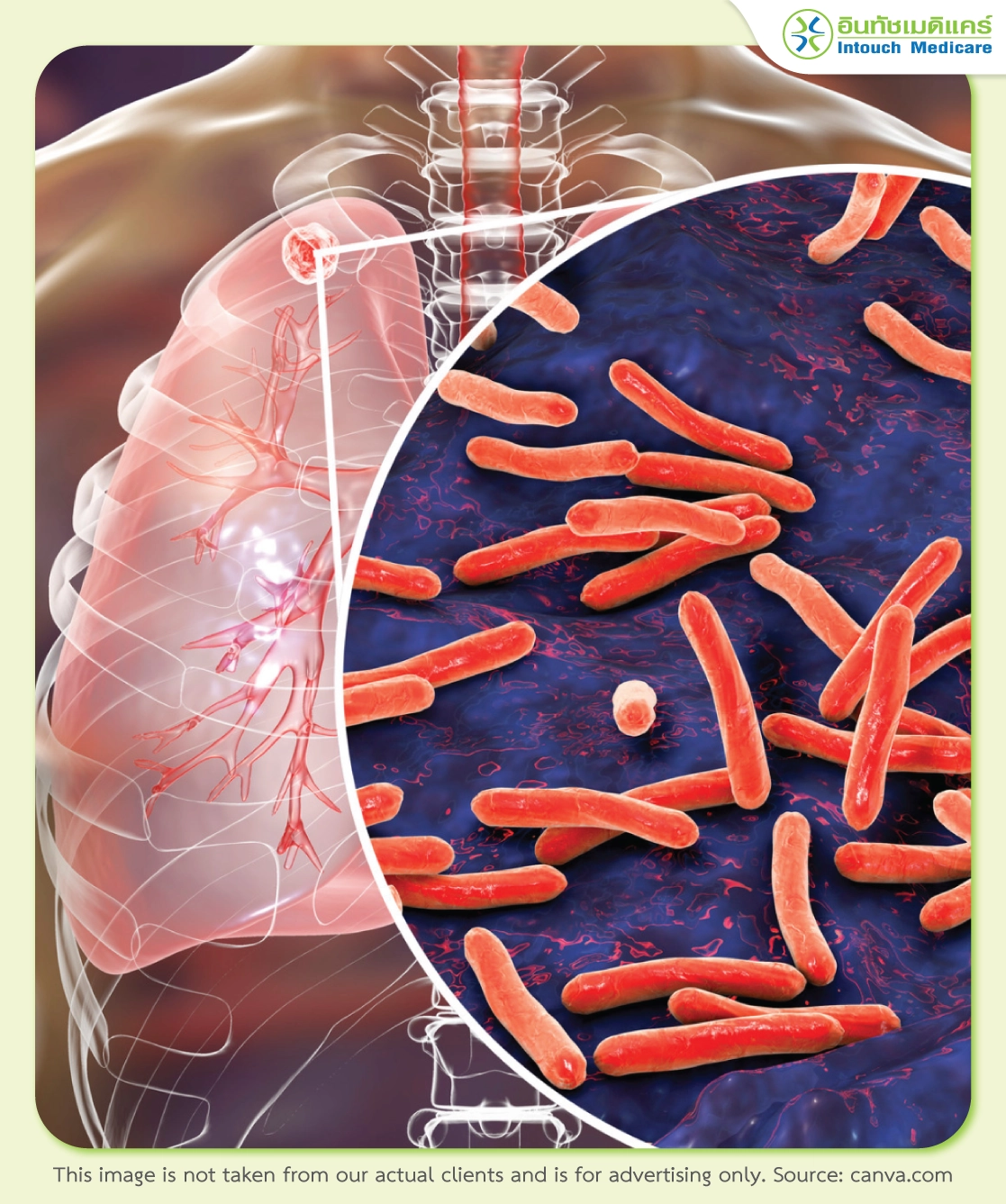
Tuberculosis (TB) is a contagious infectious disease that can affect any organ system in the body. The lungs are the most commonly affected, accounting for approximately 80% of cases.
Common symptoms include a persistent cough, loss of appetite, and weight loss. TB can be a serious disease that requires prolonged treatment. Because symptoms are often mild or nonspecific, diagnosis and treatment may be delayed.
What Causes Tuberculosis?
Tuberculosis is caused by the bacterium Mycobacterium tuberculosis, which belongs to the Mycobacterium tuberculosis complex.
How Is Tuberculosis Transmitted?
TB can spread from person to person through the air. When a person with pulmonary TB coughs, sneezes, talks, laughs, or shouts, tiny respiratory droplets containing the bacteria can be released into the air. Other people may become infected when they inhale these droplets into their lungs.
The risk of TB transmission depends on several factors, including the amount of bacteria present in the infected person. A higher bacterial load can increase the risk of transmission. The immune status of the exposed person is also important. People with certain underlying health conditions, as well as children and older adults, may be more susceptible to infection. Environmental conditions can also increase the risk of transmission, particularly enclosed or poorly ventilated spaces.
Patients often have questions about how tuberculosis spreads. For example, can a person with TB live with others? Can you get infected by sleeping with someone who has TB? Is it safe to drink from the same glass as a person with TB? For more information, read Answers to Common Questions About Tuberculosis.
Symptoms of Tuberculosis
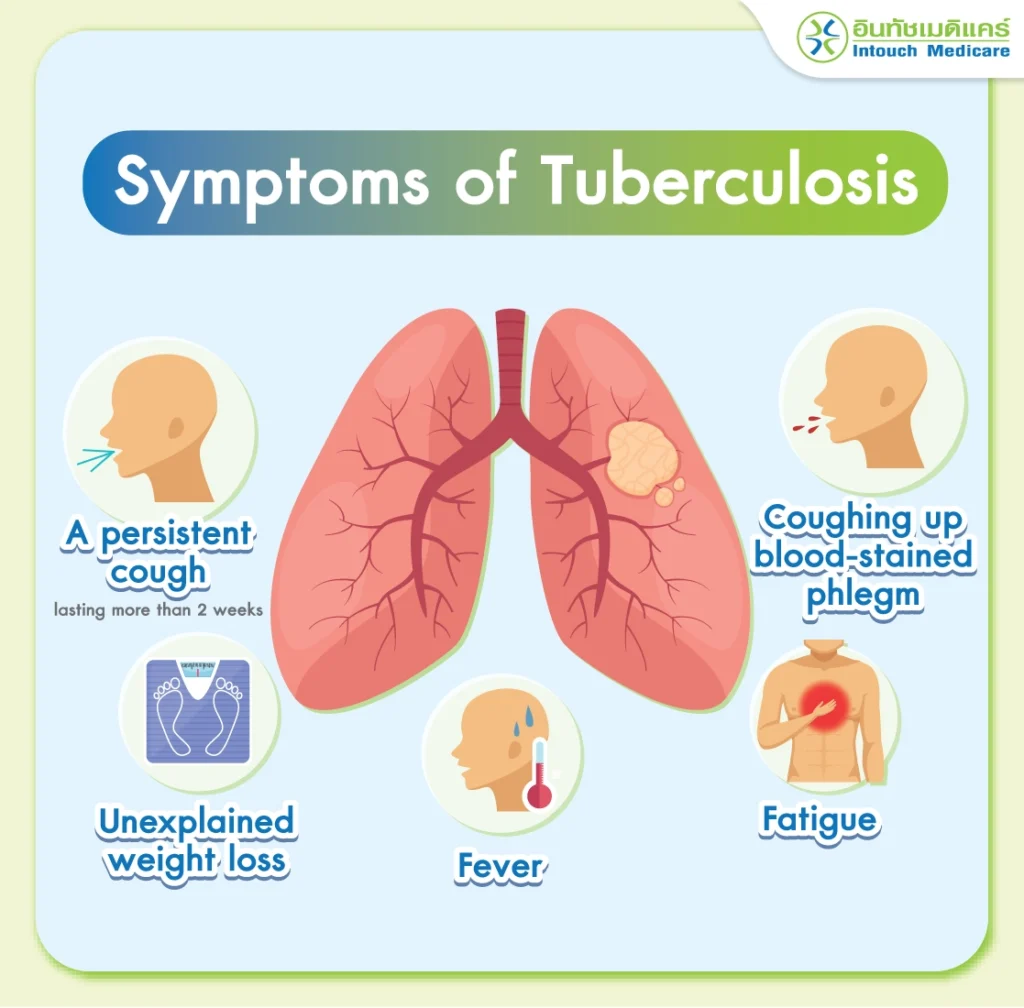
Pulmonary tuberculosis (TB) is the most common form of tuberculosis. Symptoms include a persistent cough lasting more than 2 weeks, loss of appetite, unexplained weight loss, fever, night sweats, fatigue, and shortness of breath. Some patients may also cough up blood-streaked sputum.
Interested in our services? Click here.Tuberculosis affecting other organs is less common and often causes nonspecific symptoms. It may affect the pleura, lymph nodes, spine, joints, abdomen, urinary tract, reproductive system, nervous system, and other organs. If you suspect extrapulmonary TB, consult a doctor for further evaluation.
How Many Stages of Tuberculosis Are There?
Tuberculosis is generally classified into two stages based on the progression of the infection: latent TB infection and active TB infection.
When TB bacteria enter the body through inhalation, the immune system may be able to eliminate them completely, preventing infection. However, if the amount of bacteria is high or the immune system cannot eliminate them completely, immune cells surround and contain the bacteria in the lungs or other organs. This is known as latent TB infection.
People with latent TB infection may have no symptoms or abnormalities. If the immune system is able to keep the bacteria under control, the infection can remain latent for years, and the person cannot spread TB to others.
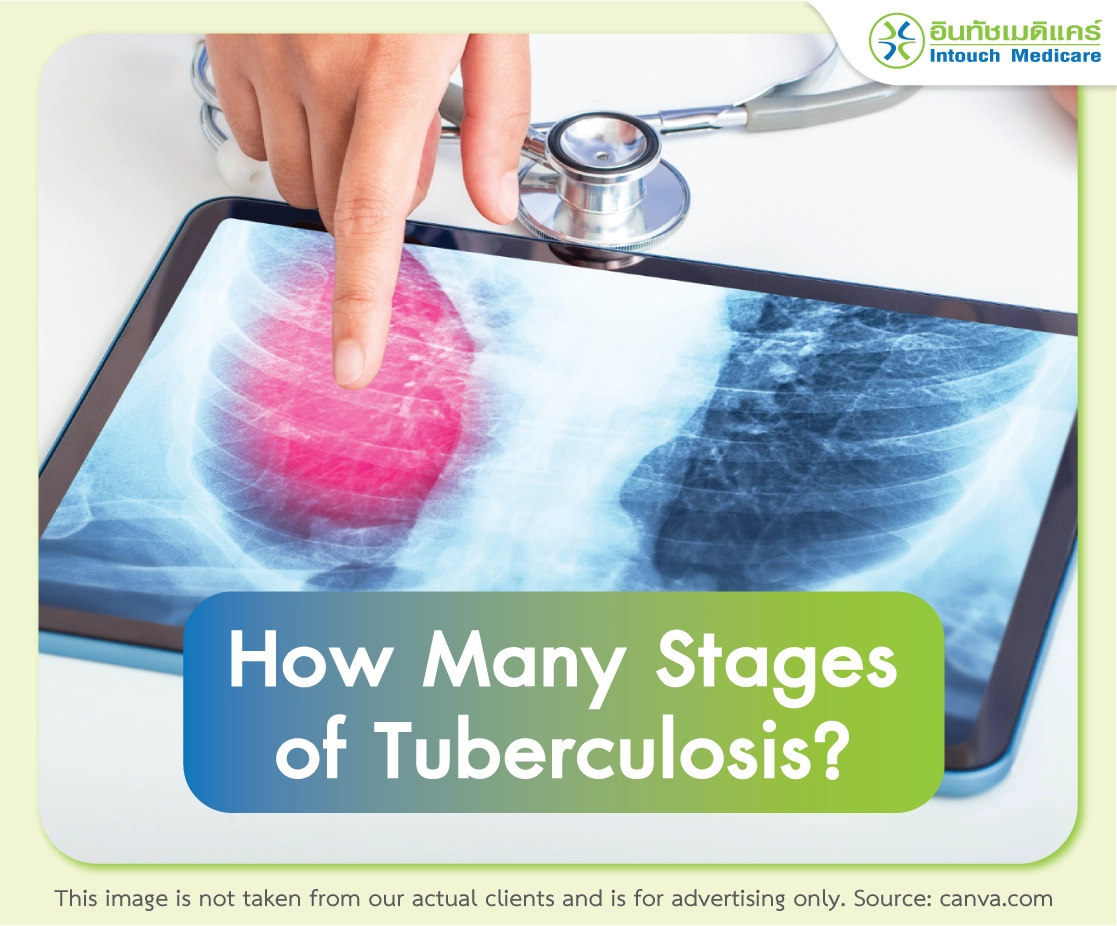
When TB bacteria multiply and the immune system can no longer keep them under control, the bacteria can spread and cause disease in the lungs and other organs.
This is known as active TB infection. It can cause symptoms such as fever, a persistent cough, blood-stained phlegm, and weight loss.
How Is Tuberculosis Diagnosed?
To determine whether you have a TB infection, additional laboratory tests are required to confirm the diagnosis.
Sputum Microscopy
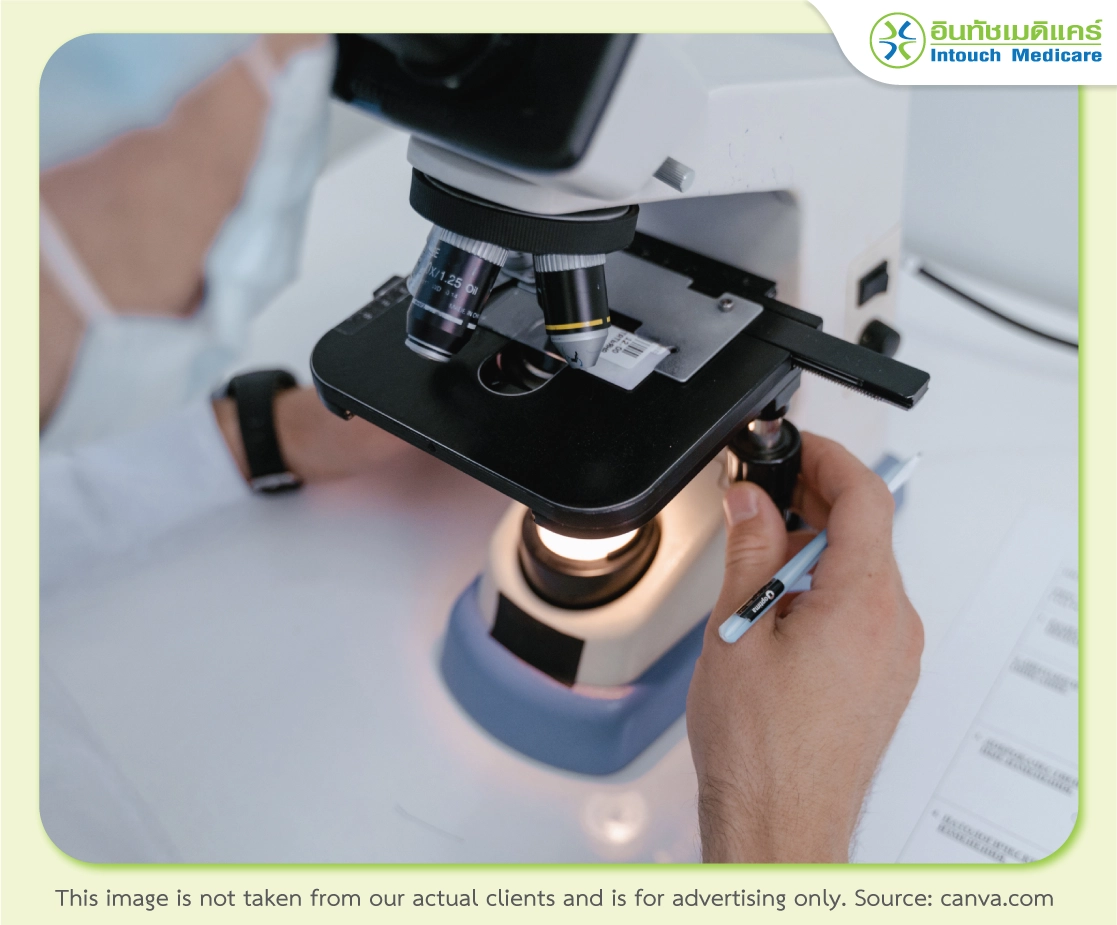
Sputum AFB stain involves collecting a sputum sample from the patient and staining it to detect TB bacteria under a microscope. It is a simple test with a relatively short turnaround time.

Chest X-Ray
A chest X-ray can reveal abnormal lung lesions or findings suggestive of tuberculosis. It is often used as a screening test. If abnormalities are detected, the doctor may order additional tests to confirm the presence of TB bacteria.
TB Culture
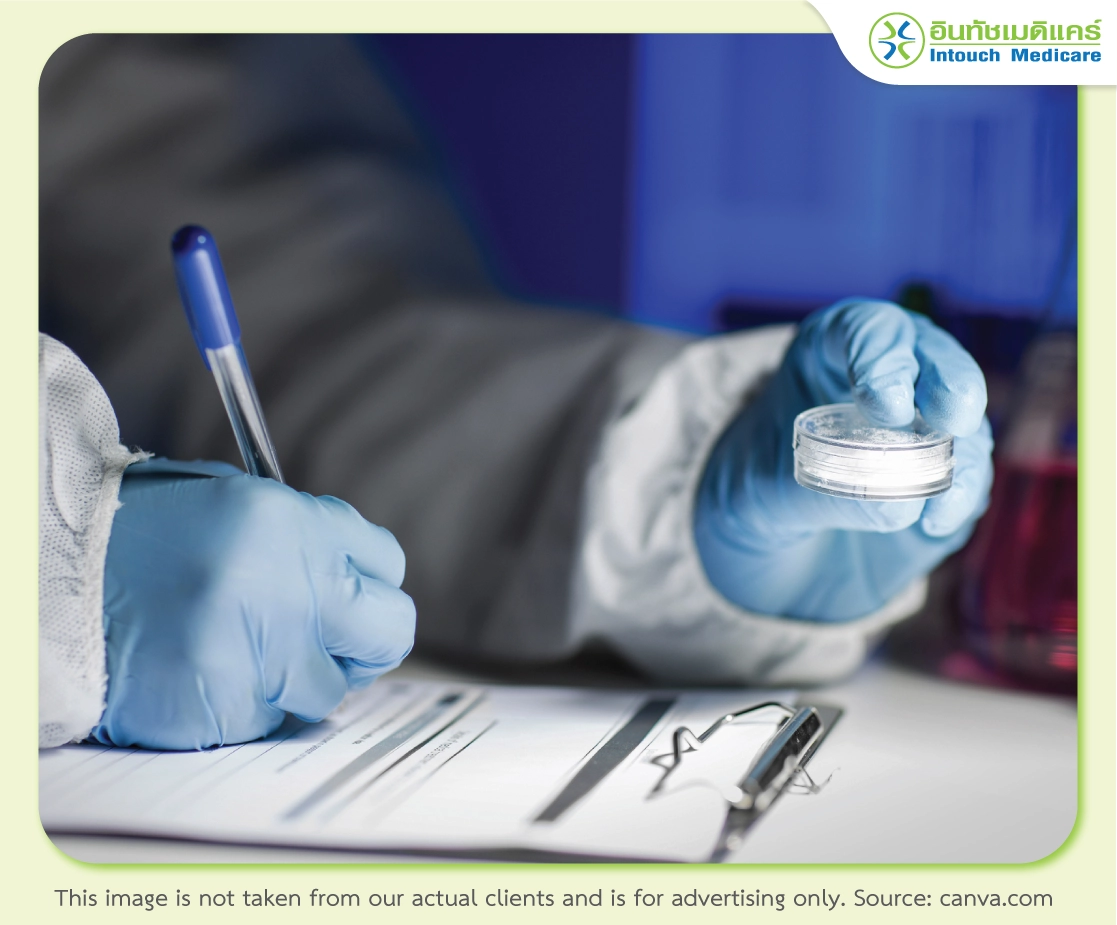
TB culture involves growing a sputum sample in a laboratory to detect TB bacteria. It is a highly accurate method that can identify the bacterial strain and determine drug resistance. However, results can take approximately 2–8 weeks.
Anti-TB Rapid Test
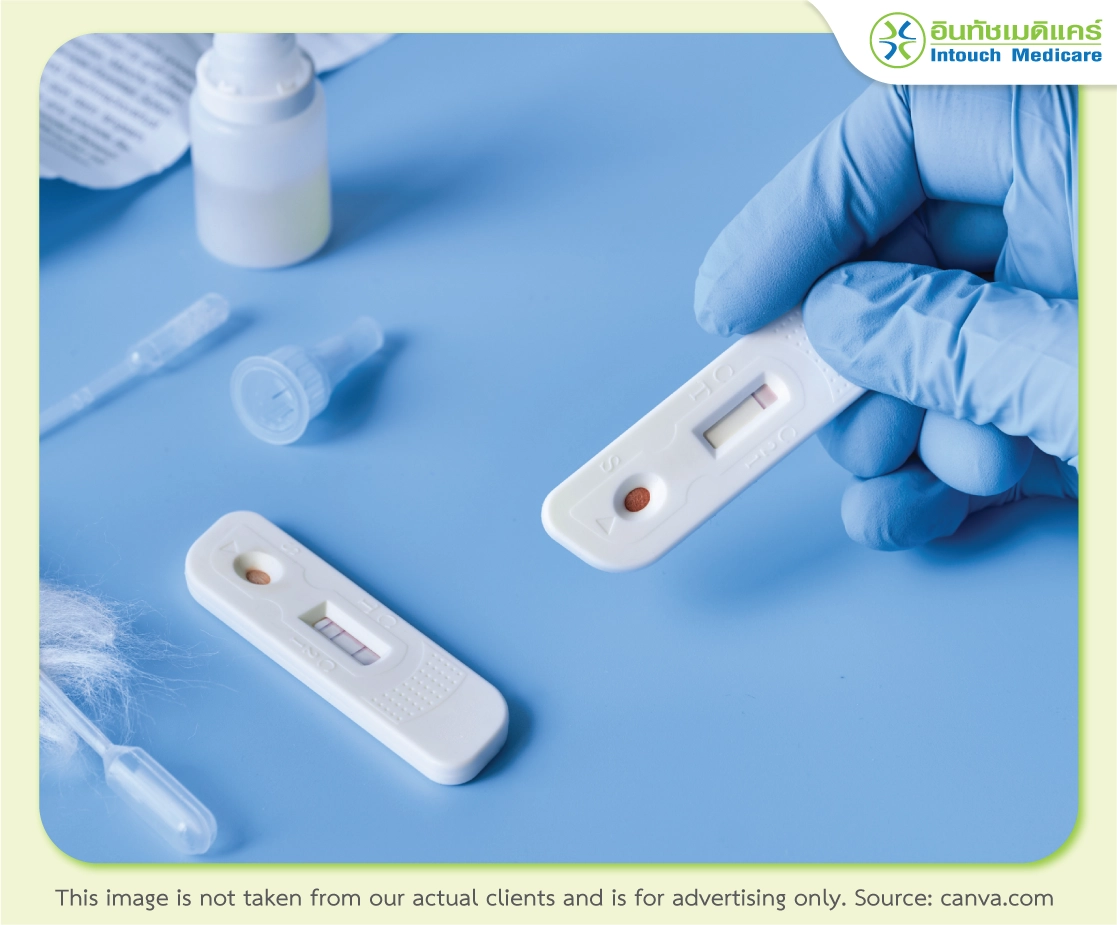
An Anti-TB Rapid Test is a blood test that detects the body’s immune response to TB bacteria. It is simple, provides results within approximately 30 minutes, and is relatively inexpensive. However, it may have limited specificity for TB infection and can produce false-positive results. If the result is positive, additional testing with a more specific method may be recommended to confirm the diagnosis.
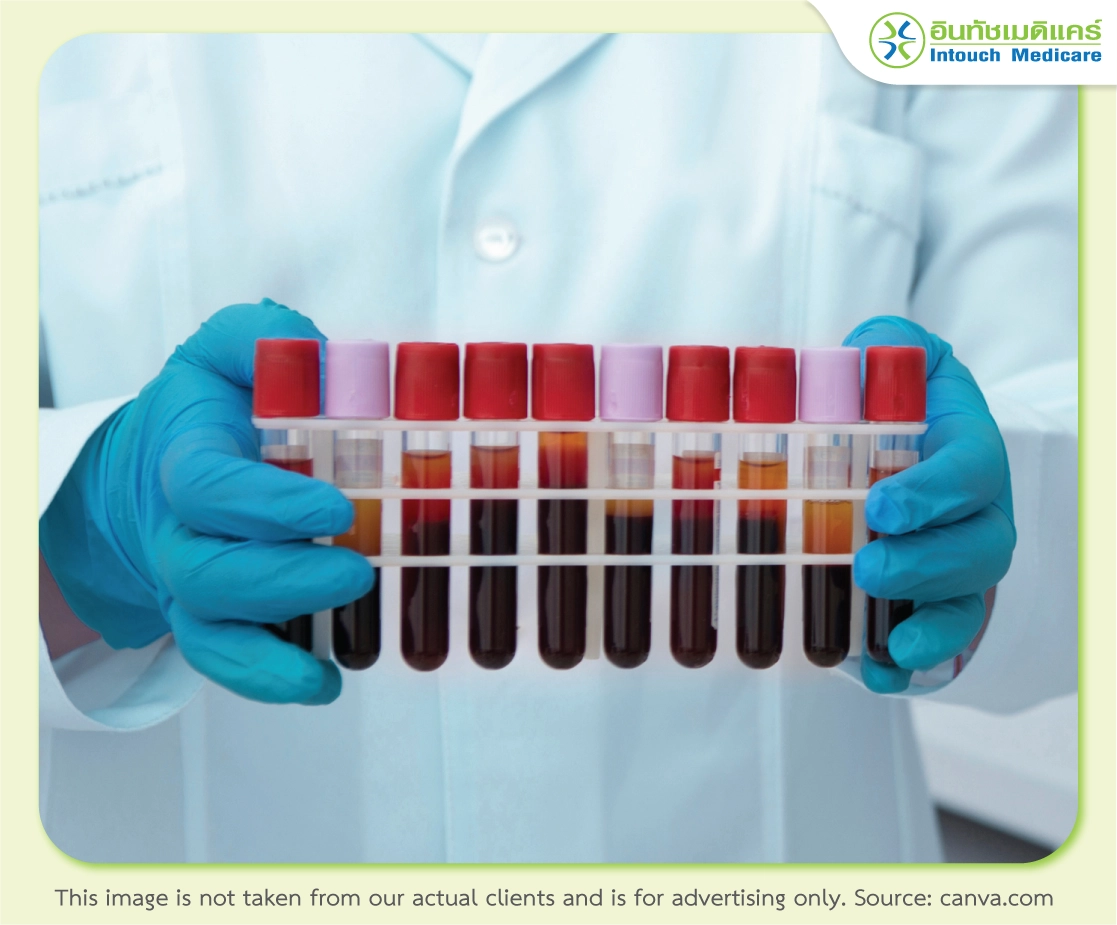
T-SPOT (IGRAs: Interferon-Gamma Release Assays)
The T-SPOT TB test is a blood test used to detect TB infection by measuring the amount of interferon-gamma released by the body in response to TB bacteria. It is simple to perform and has high sensitivity and specificity, which can help reduce false-positive results. A positive result may allow treatment to be initiated without further testing in some cases. However, results typically take around 24 hours, and the test is relatively expensive.
How Much Does a Tuberculosis Test Cost?
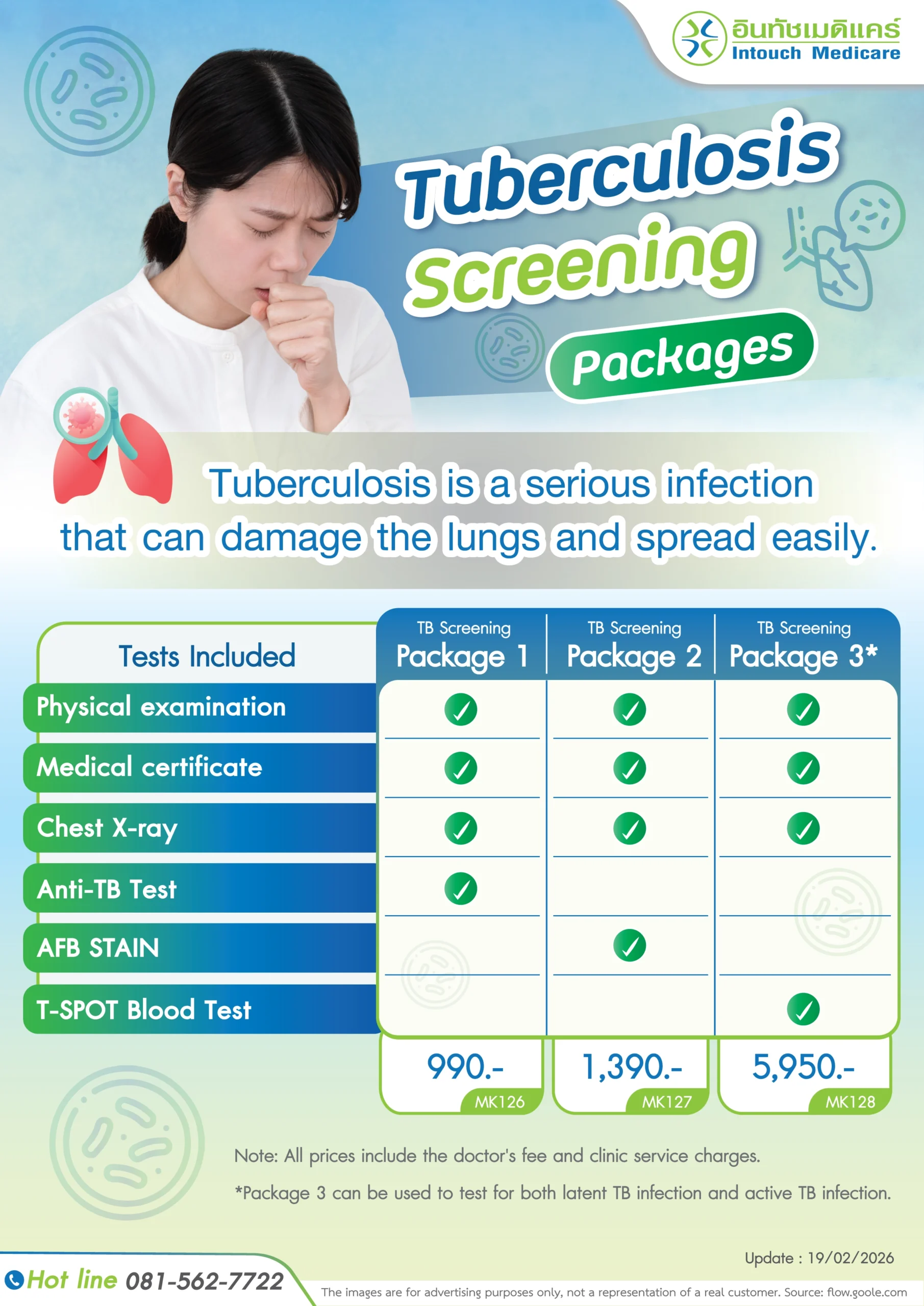
Package 1: TB Screening 990 Baht
- Physical examination by a doctor
- Medical certificate
- Chest X-ray
- Anti-TB test
- Results available on the same day
Package 2: TB Screening 1,390 Baht
- Physical examination by a doctor
- Medical certificate
- Chest X-ray
- AFB stain
- Results available within 3–5 days
Package 3: TB Screening 5,950 Baht
- Physical examination by a doctor
- Medical certificate
- Chest X-ray
- T-SPOT blood test
- Results available within 3–5 days
Notes:
- All packages include the doctor’s fee and clinic service charges.
- Package 3 is suitable for both latent TB infection and active TB infection.
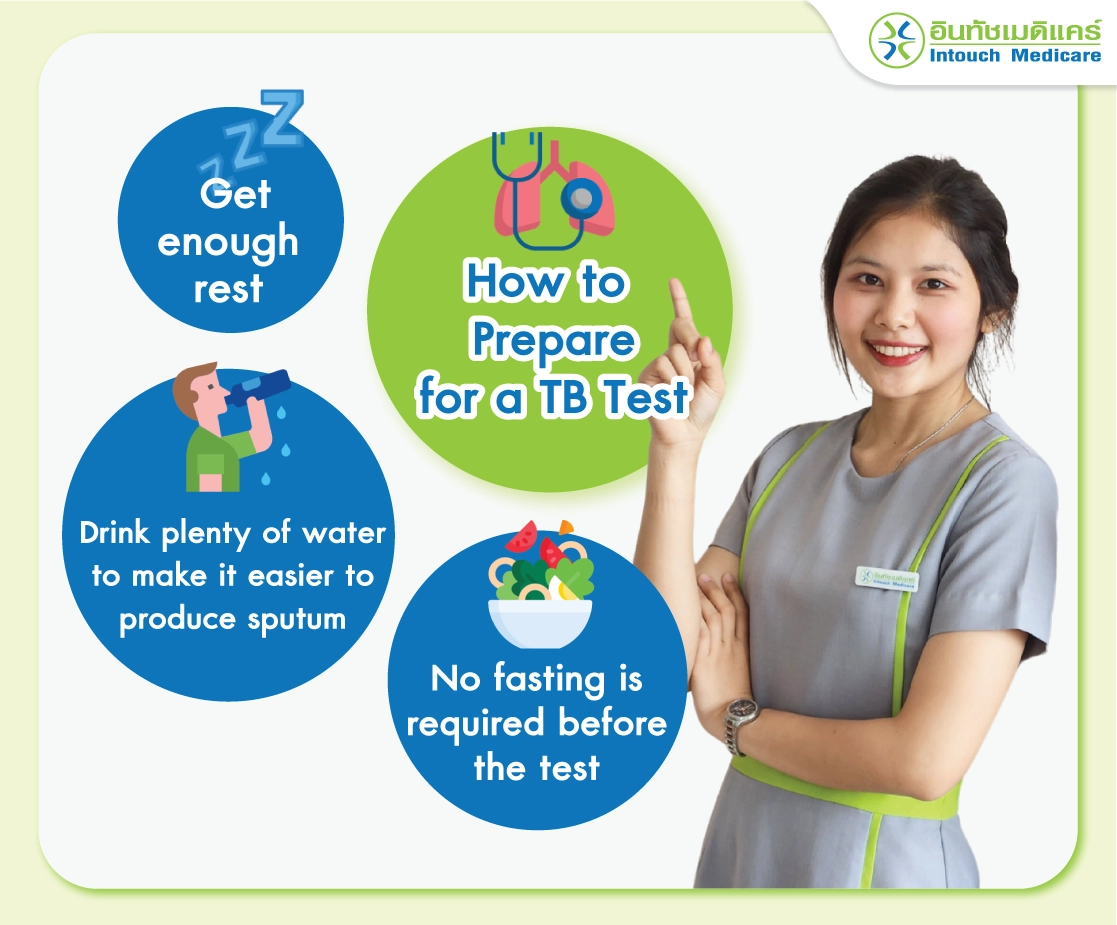
How to Prepare for a TB Test
- Get enough rest before the test.
- Drink plenty of water to make it easier to produce sputum.
- No fasting is required before the test.
When Should You Get Tested for Tuberculosis?
If you have symptoms that may indicate tuberculosis or belong to a group at higher risk of TB infection. for example, if you have been in close contact with someone with TB, work in crowded or enclosed settings such as industrial facilities, or work in healthcare. you should consider getting tested for TB.
How Is Tuberculosis Treated?
Tuberculosis (TB) can be treated with antibiotics. However, because TB is caused by a persistent and potentially serious infection, treatment takes time. Patients usually need to take a combination of several antibiotics for at least 6 months.
It is important to complete the full course of treatment even after symptoms improve or disappear. Patients should also follow recommended care and precautions for people with tuberculosis to help ensure successful treatment.
Complications and Risks of Tuberculosis
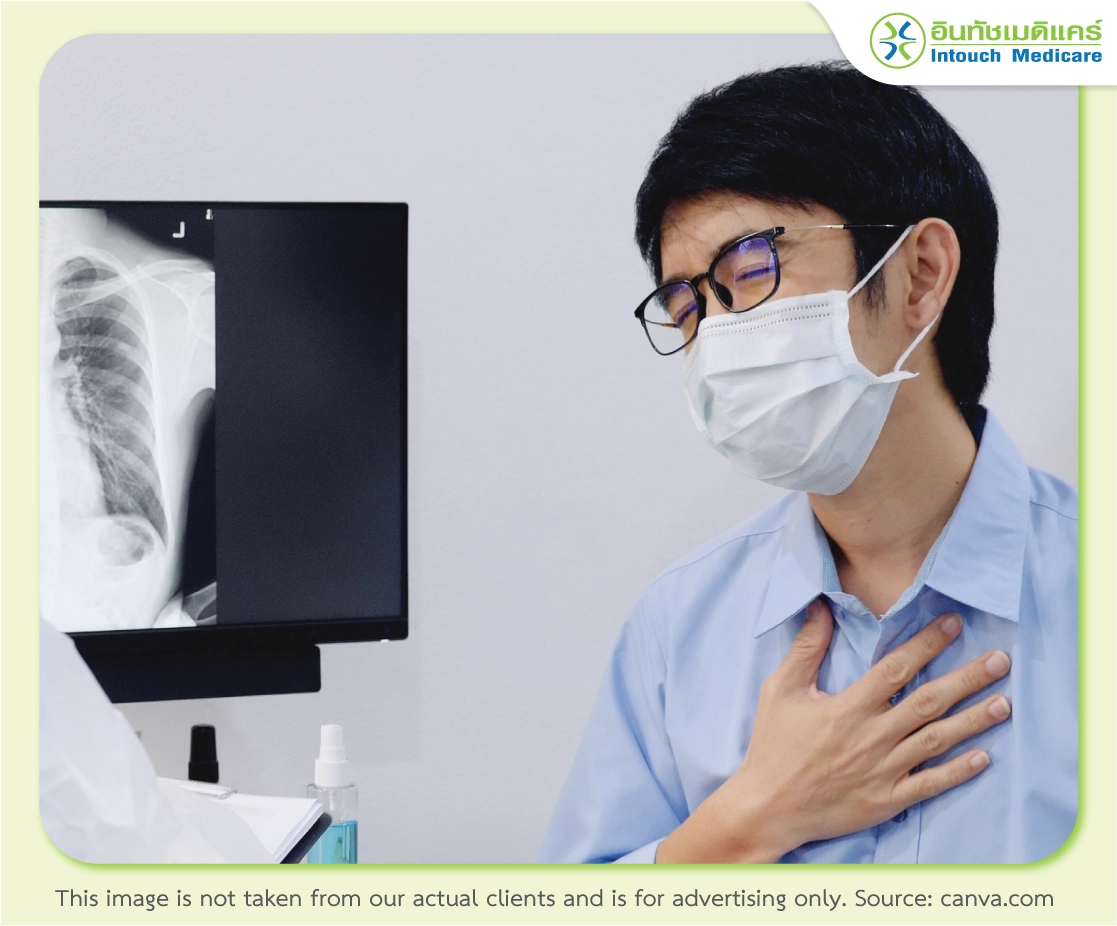
Tuberculosis (TB) often causes mild or nonspecific symptoms, and it may take a long time before severe symptoms develop. During this time, the infection may spread to close contacts without the patient realizing it.
Therefore, if you have early symptoms or are at risk of TB infection, screening and early treatment are recommended to help reduce the risk of complications and prevent further transmission.
Severe or untreated TB can be life-threatening, particularly in people with underlying health conditions, children, and older adults, who may be more susceptible to infection and serious complications. Possible complications include difficulty breathing, respiratory failure, extrapulmonary TB, and organ failure.
If you would like to get tested or receive treatment for TB, you can visit Intouch Medicare Clinic. We provide prompt services, and appointments can be made in advance to minimize waiting time. Patient information is kept confidential, and our doctors are available to provide consultation.
References
- National Tuberculosis Control Programme Guideline, Thailand 2021, Division of Tuberculosis, Department of Disease Control
- Clinical Practice Guideline (CPG) of Tuberculosis Treatment in Thailand, Department of Medical Services, Ministry of Public Health; Division of Tuberculosis, Department of Disease Control, Ministry of Public Health, in collaboration with the Infectious Disease Association of Thailand, Thoracic Society of Thailand under Royal Patronage, and Anti-Tuberculosis Association of Thailand under Royal Patronage
Related Articles
- How Many Stages of Tuberculosis Are There? Is It Dangerous? When Should You See a Doctor?
- How to Care for Patients with Tuberculosis at Home
- Answers to Common Questions About Tuberculosis
For more info and make appointment

Intouchmedicareclinic
Medical Clinic
 Latest edit : 09/10/2026
 Images may be used without prior permission exclusively for educational or informational purposes, as long as proper credit is given to intouchmedicare.com