

 TH
TH MM
MM
What You Should Know About Heart Failure Screening


What Causes Heart Failure?
Heart failure is a group of symptoms that occurs when the heart is unable to function normally and cannot contract or relax effectively enough to pump blood throughout the body.
Heart failure can result from many causes. Common causes include coronary artery disease or ischemic heart disease, high blood pressure, and heart valve disease, such as valve stenosis or valve regurgitation.
Symptoms of Heart Failure
Common Symptoms
- Easily fatigued, reduced ability to perform physical activity or exercise, weakness, and lack of energy.
- Difficulty lying flat, waking up during the night due to shortness of breath, or breathlessness.
- Swelling of the arms and legs, especially around the ankles and shins.
- Chest tightness, abdominal discomfort or fullness, bloating, feeling full quickly, nausea, vomiting, or loss of appetite.
- Rapid weight gain of more than 2 kilograms within 2 days.

Risk Factors for Heart Failure
- High blood pressure
- Diabetes
- Obesity or being overweight
- Use of illicit drugs or substance abuse of any kind
- Alcohol consumption
- Smoking
- A history of, or previous diagnosis of, coronary artery disease, other heart diseases, or other medical conditions that can lead to heart failure
How Is Heart Failure Diagnosed?
- The diagnosis of heart failure cannot be based solely on symptoms and clinical signs. There is no single universally applied diagnostic criterion. Additional investigations are often required to help confirm the diagnosis and identify the underlying cause of heart failure.
- The physician will assess the patient through a detailed medical history and physical examination to identify symptoms and signs consistent with heart failure, as well as to determine possible underlying causes.
- Additional laboratory tests may be performed to confirm the diagnosis, identify contributing factors, assess disease severity, and guide treatment planning.
- Blood tests may include a complete blood count (CBC), kidney function tests, liver function tests, blood glucose levels, lipid profile, and other laboratory investigations as deemed necessary by the physician.
- An electrocardiogram (ECG/EKG 12-lead) may be performed to evaluate the electrical activity of the heart and detect abnormalities related to the heart and coronary arteries.
- Measurement of natriuretic peptides (BNP or NT-proBNP) may be used. These blood biomarkers help support the diagnosis of acute heart failure and can also be used to assess disease severity and prognosis in both acute and chronic heart failure patients. Studies have also shown that, in individuals at risk of developing heart failure but without apparent structural heart abnormalities, BNP or NT-proBNP testing may help identify those at increased risk of future heart failure.
Treatment of Heart Failure
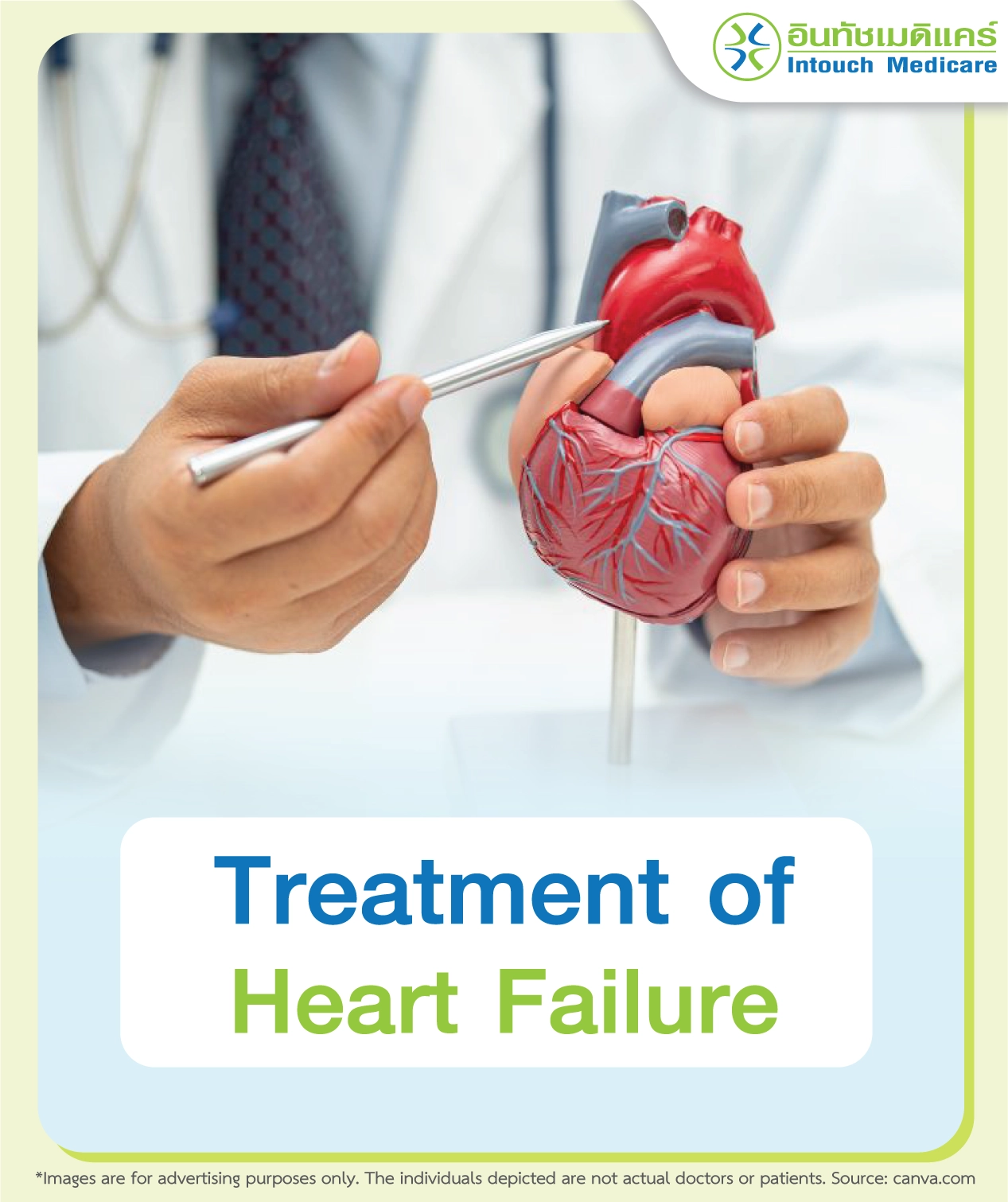
- Identify and treat the underlying cause of heart failure.
- Treatment with medications depends on the type of heart failure and the individual patient’s condition. Commonly used medications include Angiotensin-Converting Enzyme Inhibitors (ACEIs), Angiotensin Receptor Blockers (ARBs), Beta-blockers, and Mineralocorticoid Receptor Antagonists (MRAs), among others.
- Patients with acute heart failure may require oxygen therapy, endotracheal intubation with mechanical ventilation, diuretic medications, and other treatments based on the physician’s assessment. Acute heart failure is a severe and life-threatening medical emergency that requires prompt diagnosis and treatment, as it may result in death if left untreated.
Prevention of Heart Failure
- For individuals who are at risk of developing heart failure, prevention focuses on keeping underlying medical conditions well controlled. This includes maintaining healthy blood pressure, blood sugar, and cholesterol levels, achieving weight reduction when appropriate, avoiding smoking, alcohol, and illicit drugs, and continuing regular treatment and follow-up with their primary physician.
- It is also important to recognize symptoms that may indicate heart failure so that medical evaluation and treatment can be obtained as early as possible.
What Is a Heart Failure Risk Screening Program?
- A heart failure risk screening program includes measurement of natriuretic peptides (NT-proBNP), a blood biomarker that is useful in the assessment of heart failure.
- The program also includes: medical history review, physical examination and assessment of an individual’s risk of developing heart failure by a physician
Who Should Undergo Screening?
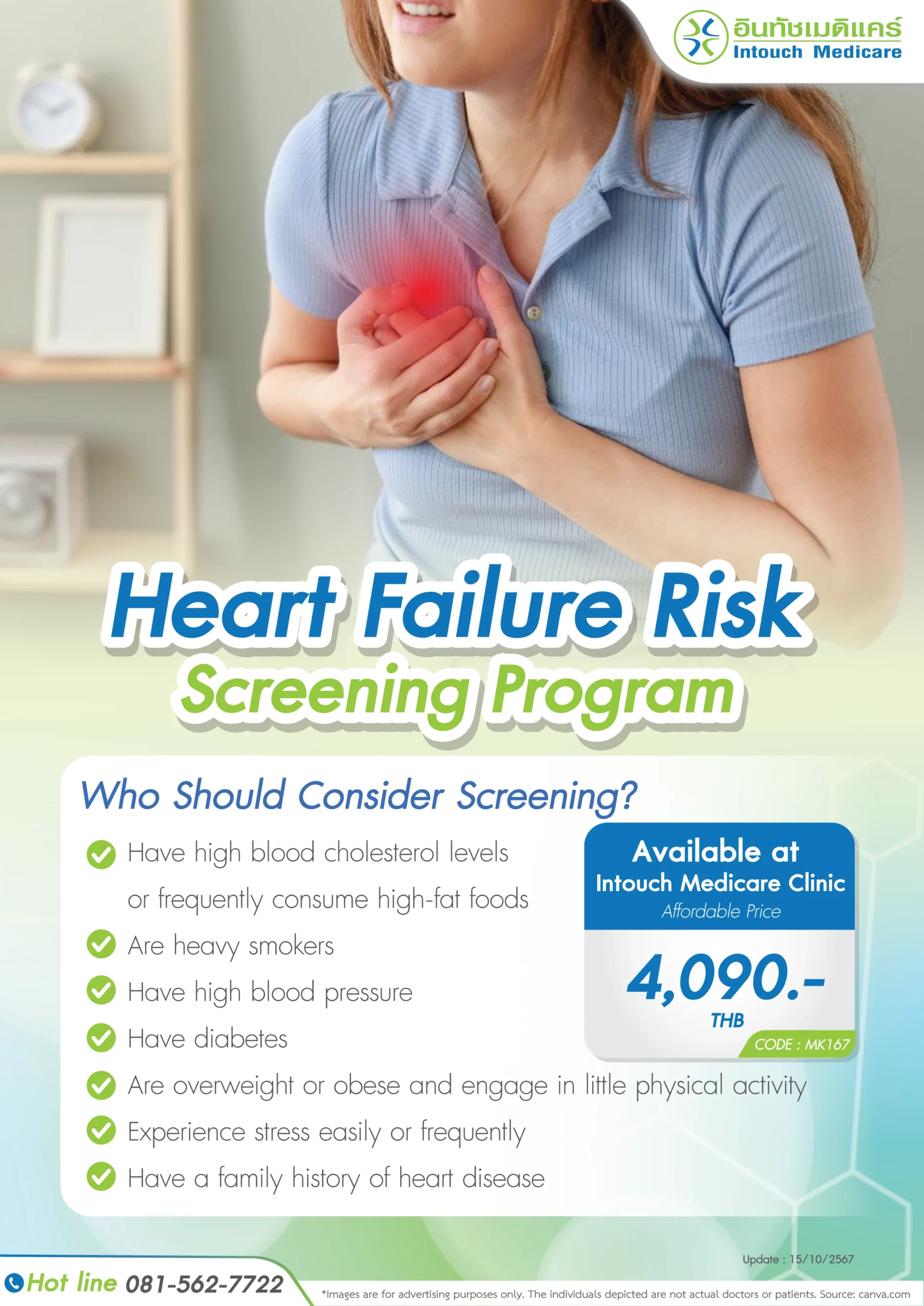
- Heart failure screening may be beneficial for people who have risk factors for developing heart failure, including hypertension, diabetes, obesity or overweight status, the use of illicit drugs, alcohol consumption, and smoking.
- It may also be appropriate for patients with a history of, or previous diagnosis of, coronary artery disease, other forms of heart disease, or medical conditions that can contribute to the development of heart failure.
- In addition, patients experiencing symptoms suggestive of heart failure should consider undergoing evaluation. These symptoms may include easy fatigue, reduced exercise tolerance, weakness, lack of energy, difficulty lying flat, waking up during the night due to shortness of breath, breathlessness, swelling of the arms or legs, swelling of the ankles and shins, chest tightness, abdominal fullness, bloating, early satiety, nausea, vomiting, loss of appetite, or rapid weight gain of more than 2 kilograms within 2 days.
Benefits of Heart Failure Screening
- Heart failure screening can help identify the risk of developing heart failure in patients who are at increased risk but have not yet developed structural or functional abnormalities of the heart.
- Measurement of NT-proBNP may also help support the diagnosis of acute heart failure in patients presenting with compatible symptoms and clinical findings.
- In addition, NT-proBNP can be used to assess disease severity and may provide prognostic information for patients with both acute and chronic heart failure.
What Information Will You Receive from the Screening?
- The screening may help confirm a diagnosis of heart failure more quickly and accurately, allowing patients to receive appropriate treatment sooner.

- For patients at risk of developing heart failure, abnormal test results may indicate the need for further cardiac evaluation. This can help identify heart abnormalities at an earlier stage and allow preventive measures or treatment to be initiated before symptoms develop.
Cost of Heart Failure Screening
- The Heart Failure Screening Program is priced at 4,090 THB.
Preparation Before the Examination
No special preparation is required. You may undergo the screening without fasting or restricting food and water intake beforehand.

References
- Heart Failure Clinical Practice Guidelines B.E. 2562 (2019), The Heart Association of Thailand under the Royal Patronage of His Majesty the King
- Clinical practice guideline : 2022 AHA/ACC/HFSA Heart Failure Guideline , The American Heart Association
For more info and make appointment

Intouchmedicareclinic
Medical Clinic
 Lastest edited : 29/06/2026
 Images may be used without prior permission exclusively for educational or informational purposes, as long as proper credit is given to intouchmedicare.com