

 TH
 MM

Warts are skin growths caused by the Human Papillomavirus (HPV), a common virus with various strains that affect the skin and mucous membranes throughout the body. Understanding the differences between each type of wart, such as common warts, plantar warts, and genital warts, is crucial for accurate diagnosis and appropriate treatment.
While most warts are not life-threatening and typically do not cause severe health problems, they can be bothersome, painful, or affect self-confidence. Knowing the types of warts will help you take care of yourself and decide to seek timely treatment.
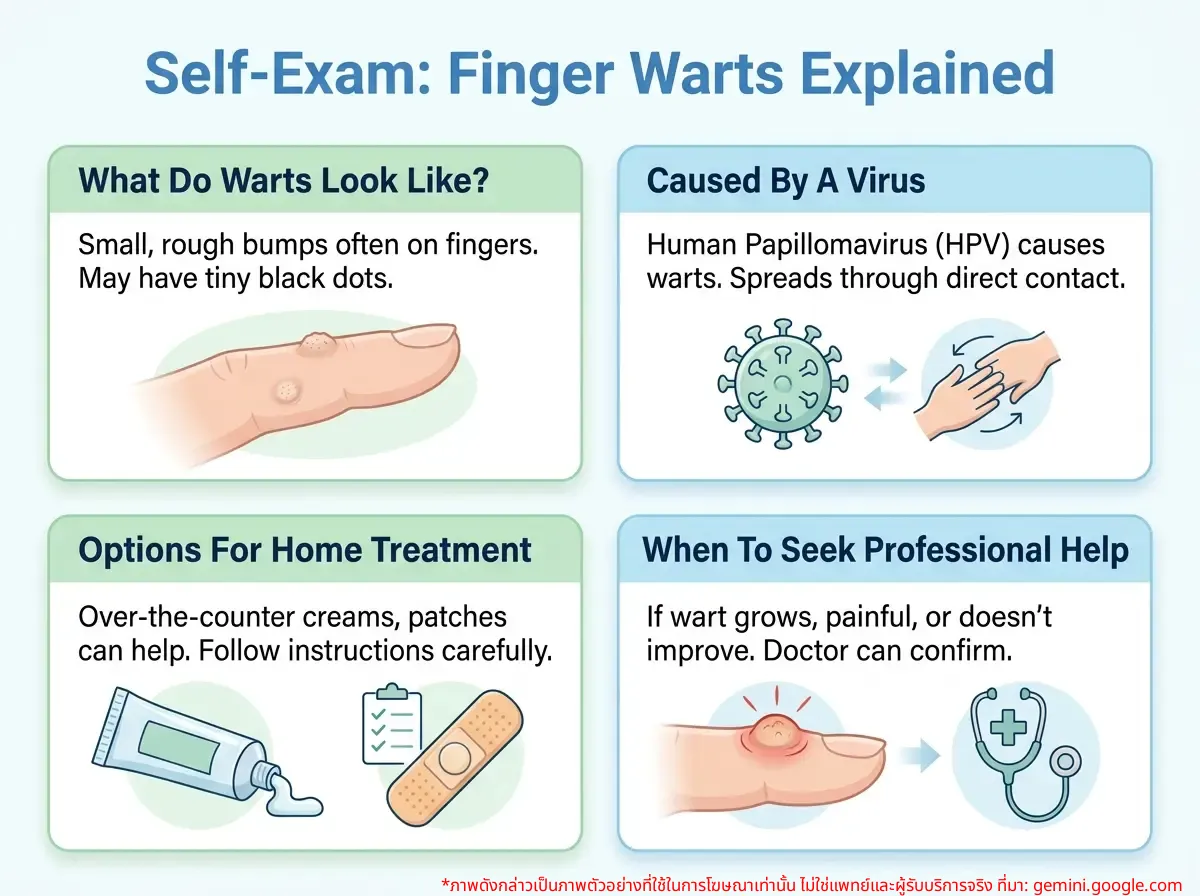
1. Understanding ‘Warts’: Non-Cancerous Skin Growths
Warts are a skin condition caused by the Human Papillomavirus (HPV) infection, which is the main reason for abnormal skin cell growth that forms raised bumps, or ‘warts’. There are various strains of HPV; some cause common skin warts, while others cause genital warts. The physical appearance of warts is often a hard, raised bump with a rough surface, or sometimes smooth, depending on the type and location.
It is important to emphasize that most warts are not life-threatening and are not directly malignant tumors or cancer, which can alleviate patient concerns. Nevertheless, warts still require care and treatment as they can easily spread and cause discomfort. Factors that increase the risk of developing warts include a weakened immune system, direct contact with an infected person, minor skin injuries, and walking barefoot in damp public areas.
2. Common Warts: Frequently Found Bumps on the Body
Common warts, or Verruca Vulgaris, are the most frequently encountered warts in the general population. They often appear on the hands, fingers, elbows, or knees, which are areas prone to frequent friction or contact with various objects. The characteristic features of common warts are hard, raised bumps, the same color as normal skin, or sometimes grayish-brown, with an uneven, rough surface resembling a cauliflower. Sometimes, small black dots may be present in the center, which are characteristic of clotted capillaries. This type of wart typically does not cause pain, except when subjected to severe pressure or friction.
Common warts can spread through direct contact with the wart itself, or by scratching and then touching other parts of the body, allowing the HPV virus to enter new skin areas. Common initial treatments include applying wart medications containing salicylic acid, which helps shed skin cells, cryotherapy with liquid nitrogen to destroy wart cells, or in some cases, minor surgery to remove the wart.
💡 Did you know? Some strains of HPV that cause warts can spread very easily through direct contact and damp surfaces, especially in public places like swimming pools or communal showers, which are environments where the virus can survive longer!
The Importance of Hygiene in Preventing Wart Spread
HPV infection and wart development often occur when the skin has minor cuts or abrasions, or through direct contact with an infected person, or from surfaces contaminated with the virus. To reduce the risk of developing and spreading warts, personal hygiene is extremely important. Avoiding direct contact with other people’s warts is the first priority.
Furthermore, personal items such as towels, razors, or shoes should not be shared with others. Maintaining clean skin at all times, frequent handwashing, especially after touching wart-affected areas, and wearing shoes in damp public areas like communal bathrooms or swimming pools are also crucial in preventing infection and the spread of warts to others.
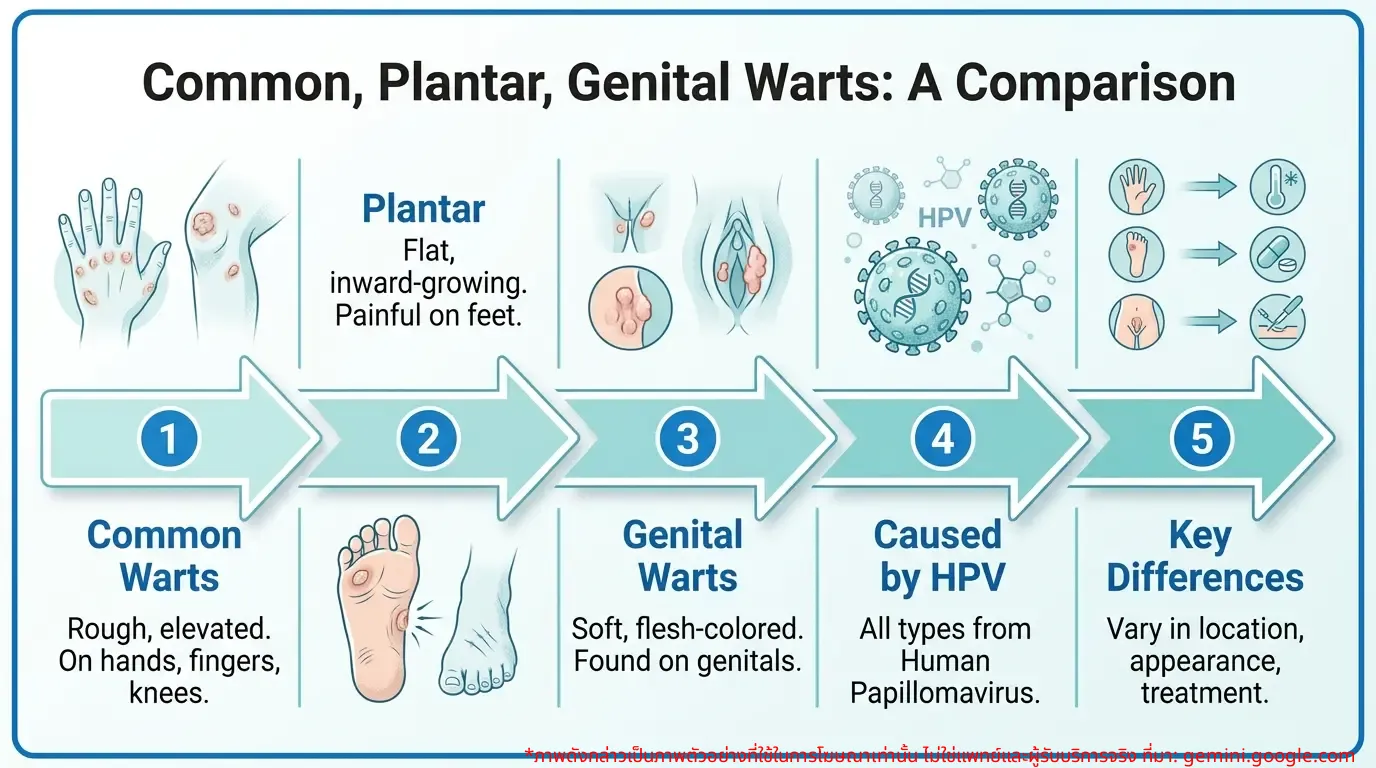

3. Plantar Warts: Painful When Walking, Stepping on the Soles of Your Feet
Plantar warts occur on the soles or heels of the feet, areas that constantly bear body weight. This causes this type of wart to be pressed inward and grow into the skin rather than protruding outward like common warts. A distinctive feature of plantar warts is their flat appearance on the skin, but when touched, they feel like a hard core, and often have small black dots in the center, similar to common warts. However, the key difference is the pain.
Individuals with plantar warts experience significant pain when walking or bearing weight, making it feel as if a pebble is constantly piercing their foot, which greatly impacts daily life. A significant risk factor for plantar warts is walking barefoot in damp public places such as communal bathrooms, swimming pools, or locker rooms. Treating plantar warts can be more complex than common warts because the part embedded deep within the skin must be removed. Treatment may include topical medications, cryotherapy, laser therapy, or surgery.
Preventing plantar warts involves wearing sandals or shoes in damp public areas to avoid direct contact with the virus, and maintaining good foot hygiene at all times. If you suspect you have plantar warts, you should consult a doctor for proper diagnosis and an appropriate treatment plan to reduce pain and prevent spread.
4. Genital Warts: Warts in the Genital and Anal Areas
Genital warts are a sexually transmitted infection (STI) caused by HPV strains different from those that cause common warts. Most commonly, these are HPV-6 and HPV-11, which have a low risk of causing cancer. However, some strains associated with genital warts may have a high risk of leading to cervical cancer in women, or anal cancer and other cancers in both men and women.
Genital warts are typically found in the genital, anal, and perianal areas. Unlike other types of warts, they are usually soft bumps, pink or flesh-colored, and may appear individually or in clusters resembling a rooster’s comb or cauliflower. Sometimes they can be very small and invisible to the naked eye. Some infected individuals may have no symptoms, while others may experience itching, burning, or mild pain. Early diagnosis and treatment are crucial to prevent spread and reduce the risk of serious complications.
Important prevention methods for genital warts include practicing safe sex, using condoms, and getting the HPV vaccine, which is highly effective in preventing infection from common HPV strains that cause genital warts and related cancers. Additionally, regular cervical cancer screening for women is crucial for detecting abnormalities that may arise from HPV infection.
5. Comparison Table: Summary of Differences Between Wart Types
To help easily understand the differences between each type of wart, key comparative information can be summarized as follows:
- Common Warts
- Location: Hands, fingers, elbows, knees, general skin areas
- Appearance: Raised, hard bumps with a rough, cauliflower-like surface, same color as skin or darker, may have small black dots
- Pain: Rarely painful, except when rubbed or pressed
- Severity/Risk: Harmless, not cancerous
- Plantar Warts
- Location: Soles of feet, heels, under toes
- Appearance: Flat bumps flush with the skin, pressed inward, hard core, with small black dots in the center
- Pain: Very painful when bearing weight or walking, feels like a pebble piercing the foot
- Severity/Risk: Harmless, not cancerous, may cause difficulty walking
- Genital Warts
- Location: Genitals, anus, groin, perianal area
- Appearance: Soft bumps, pink or flesh-colored, may appear individually or in clusters resembling a rooster’s comb or cauliflower
- Pain: May cause itching, burning, or mild pain
- Severity/Risk: Sexually transmitted infection (STI). Some strains carry a risk of causing cervical cancer, anal cancer, and other related cancers.

Understanding the different types of warts is crucial for properly managing this skin health issue. Whether it’s common warts, plantar warts, or genital warts, accurate diagnosis and appropriate treatment by medical professionals will help reduce discomfort, prevent the spread of infection, and lower the risk of potential complications.
If you suspect you have warts or need further advice on symptoms or treatment, do not delay. You should consult a doctor for evaluation and to plan the correct medical treatment for your own health and that of others. You can contact the clinic through its channels to inquire or book an appointment.
Related Articles
- What Causes Warts? What Are the Treatment Options?
- Why Do Warts Recur After Cauterization? How to Break the HPV Cycle on the Skin to Prevent Recurrence
- Why Do Genital Warts Recur? Treatment, Prevention, and HPV Vaccine