

 TH
TH
Working in confined spaces is challenging and requires special caution due to the restricted and high-risk environment. These areas are often limited in size, dark, poorly ventilated, humid, and may contain low oxygen levels.
Medical examinations for employees who work in confined spaces are essential. 
This helps ensure that workers are physically and mentally fit to perform their duties safely in such demanding conditions and can continue their daily lives smoothly.
Employers should arrange for employees to undergo a medical examination to obtain a Confined Space Health Certificate at least once a year.  |

Information You Should Know About a Confined Space Medical Certificate
- Importance of a Confined Space Medical Certificate
- Confined Space Health Examination Checklist
- Health Examination Service Fees

- Examination and Reporting Timeframe
- How to Obtain a Medical Certificate for Working in Confined Spaces
- Frequently Asked Questions About Health Examinations
Importance of a Confined Space Medical Certificate
- For employee safety: Working in confined spaces involves high risks and potential hazards. A medical certificate helps confirm that the employee is physically fit to perform this type of work.
- To prevent accidents caused by unfit health conditions: Ensures workers are physically and mentally prepared for demanding environments.
- To comply with legal requirements: Employees working in confined spaces must obtain a medical certificate in accordance with laws and occupational safety standards.
- To build confidence for employers and co-workers: Assures that the employee is capable of performing duties effectively and safely.
- To monitor employees’ health and prevent occupational illnesses: Regular health checks help detect potential health issues early and support long-term health protection for workers in confined spaces.
Occupations Recommended for Confined Space Health Examinations
Confined Space Health Examination Checklist

1. Physical Examination
This includes a medical screening to assess potential risks related to working in confined spaces, such as heart disease, asthma, neurological disorders, blood disorders, and other relevant medical conditions. A history of these conditions is critically important in evaluating whether the worker is physically fit to perform duties in a confined space. This assessment also helps reduce the risk of accidents or health emergencies while working.
2. Medical Certificate For Working In Confined Space
Individuals who undergo the health examination will receive a specific medical certificate for working in confined spaces. The examination items comply with the requirements set by ministerial regulations. Employers may refer to the physician’s opinion stated in the medical certificate when considering whether to permit or restrict an employee from working in confined spaces.
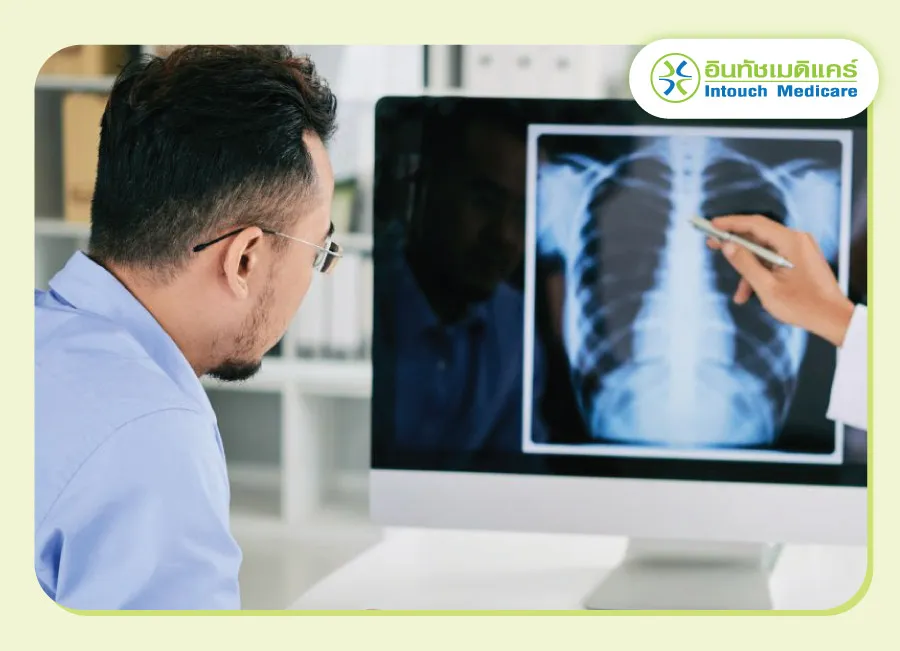
3. Chest X-ray
Helps screen for inflammatory conditions in the lung tissue caused by chemical exposure and detect infectious lung diseases in the contagious stage, such as active pulmonary tuberculosis, which pose significant risks and are not suitable for working in confined spaces.
4. Visual Acuity Test
A distance visual acuity test for both eyes. If an individual has visual impairment beyond the acceptable standard, corrective measures such as wearing glasses or contact lenses must be taken, to ensure clear vision before being permitted to work in confined spaces.
5. CBC
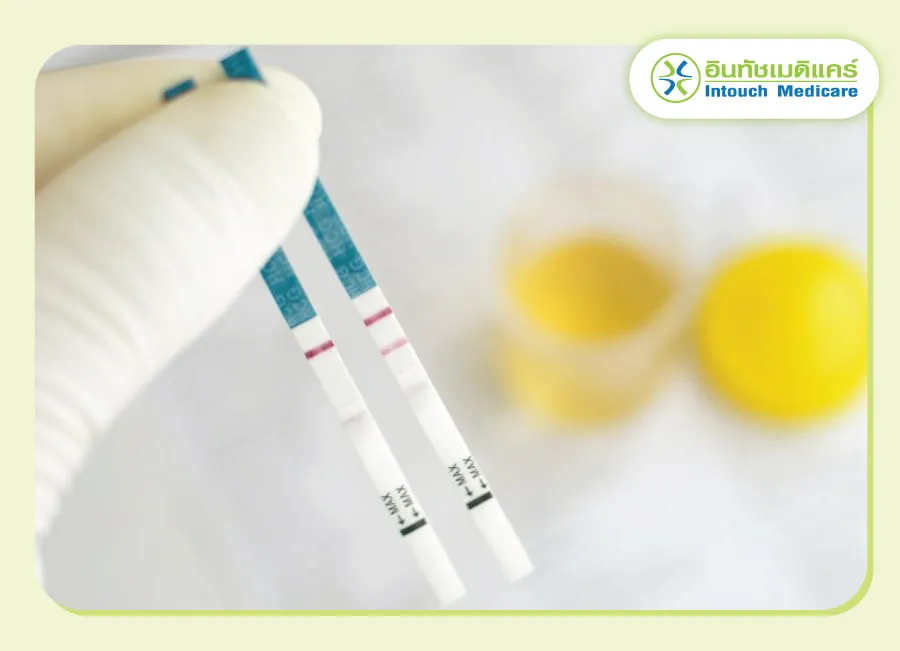
6. Pregnancy Test
Employees who are pregnant should not work in confined spaces. Due to the limited space and poor ventilation, there is a higher likelihood of exposure to hazardous substances generated during work, such as lead fumes and solvents found in paint or adhesives. These substances may pose serious risks to the developing fetus.
7. Audiometric Test
Working in confined spaces requires the ability to clearly hear co-workers’ warnings and emergency alarm signals. In the event of an emergency, prompt response is critical. Individuals with hearing impairments should not work in confined spaces and should undergo further evaluation and treatment by an ear, nose, and throat (ENT) specialist.
8. Pulmonary Function Testing
Performed by blowing into a measuring device to assess lung expansion, based on lung volume and airflow rate. If abnormalities are detected such as restrictive impairment or moderate to severe obstructive patterns. The individual should not work in confined spaces. Further evaluation and treatment by a pulmonologist are recommended to determine the underlying cause.
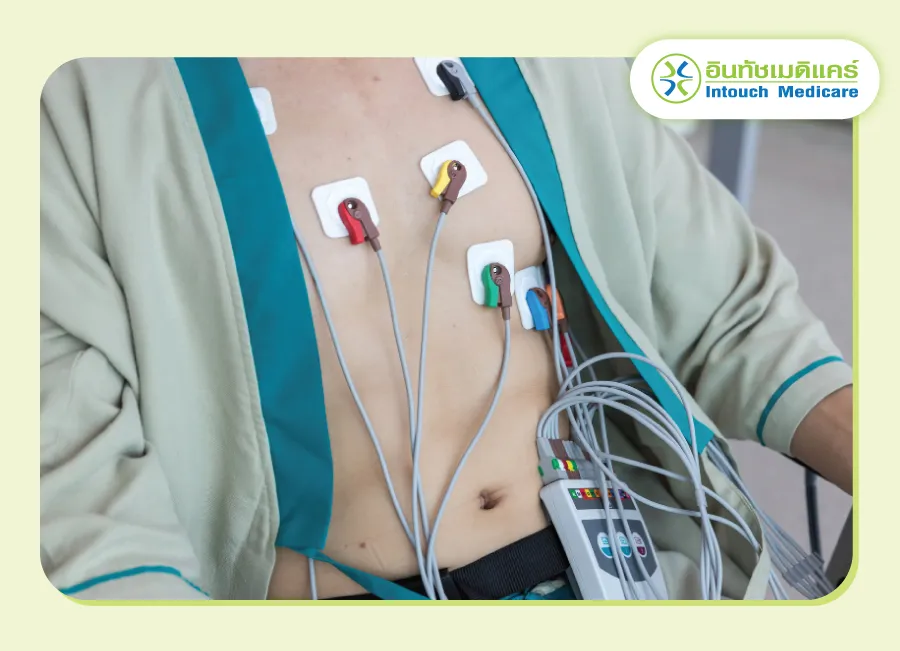
9. Electrocardiogram
Helps screen for certain heart conditions that may pose dangers during work, such as specific types of cardiac arrhythmias, cardiomegaly (enlarged heart), and certain cardiac conduction abnormalities. Individuals with these conditions should not work in confined spaces.
Health Examination Service Fees
Service Fees for Health Examination for a Medical Certificate to Work in Confined Spaces are as Follows:

- Health examination fee for males: 1,790 THB
- Health examination fee for females: 1,890 THB
Note: If you require the medical certificate for working in confined spaces to be issued in English, an additional fee of 450 THB will apply.
Examination and Reporting Timeframe
- The health examination takes approximately 45–60 minutes, including medical history taking, blood collection, urine sample collection, and physician consultation. The duration may vary depending on the individual’s physical condition, as certain procedures—such as the pulmonary function test (spirometry)—may require different amounts of time.
- The medical report will be available within 1–3 business days.
Delivery service for the medical report is available, so there is no need to collect it in person. Delivery fees will be charged based on the actual distance.

Sample Health Examination Report for Working in Confined Spaces
How to Obtain a Medical Certificate for Working in Confined Spaces
- Appointments can be made by phone or through any online channel. Walk-in visits are also welcome.
- Prepare your identification documents, including your national ID card and medical history (if available).
- Undergo the required medical examinations as determined by the physician, including medical history taking, blood tests, urine sample collection, pulmonary function testing, electrocardiogram (ECG), and any additional tests deemed necessary by the doctor.
- As the confined space medical certificate is not issued immediately on the same day, clients may inform the clinic of their preferred method for receiving the results: via email, by postal mail (additional fee applies), or by express courier service (delivery fee charged based on actual distance)
Frequently Asked Questions About Health Examinations
Which medical facilities can issue a medical certificate?
- Clinics and hospitals with a health check-up department or licensed physicians authorized to issue medical certificates for confined space work.
How long is a confined space medical certificate valid?
- A medical certificate for working in confined spaces is generally valid for approximately 1 month, depending on the specific requirements of each organization.
How should I prepare for a confined space health examination?
- Fasting is not required. Please prepare your identification documents, such as your national ID card, and any previous medical records (if available).

Health examinations for employees working in confined spaces help reduce risks and enhance workplace safety. Proper preparation and regular health monitoring can prevent potential health problems, enabling employees to work efficiently and safely.
If you are interested in a confined space health examination to obtain a medical certificate for working in confined spaces, you can receive services or consultation at any branch of Intouch Medicare Clinic near you. Simply search for a “clinic near me” on Google or contact the clinic directly through the communication channels provided on the website.
Reference : Guideline for Health Examination of Confined-space Workers (2561). Summacheeva Foundation.
Read More Articles
- What Is a Health Examination for Working in Confined Spaces?
- Hidden Dangers and Serious Health Risks in Confined Spaces: Plus Prevention Tips!
- 8 High-Risk Occupations That Should Undergo Health Screening Before Working in Confined Spaces
For more info and make appointment

Jittiwat Amnouypon ,M.D.
General Practitioner
 Latest edit : 20/02/2026
 Images may be used without prior permission exclusively for educational or informational purposes, as long as proper credit is given to intouchmedicare.com