

 TH
TH MM
MM
Symptoms such as itchy skin, hives, raised rashes, nasal congestion, a runny nose, and red or irritated eyes may be signs of an allergy. These reactions can be triggered by certain foods, allergens, or environmental factors that you encounter in your daily life. Allergy testing is important because it helps identify the underlying cause of your allergic reactions. Once you know what you’re allergic to, you can take steps to avoid the triggers and better protect your health.
At Intouchmedicare Clinic, we offer food and environmental allergy testing through a simple blood test that screens for 44 common allergens. You can conveniently schedule your appointment online.
What You Should Know About Allergy Testing
- What are food and environmental allergies?
- What causes allergic reactions?
- Common signs and symptoms of allergies
- What is the difference between food allergies and food sensitivities?
- How much does food and environmental allergy testing cost?

- What are the different methods of allergy testing?
- What are the benefits of allergy testing?
- What can you expect during allergy testing at Intouchmedicare Clinic?
What Are Food and Environmental Allergies?
An allergy occurs when the body’s immune system overreacts to substances that are normally harmless. These triggers, known as allergens, are commonly found in the environment, everyday life, and certain foods. Allergic reactions vary from person to person. Symptoms can range from itchy skin, rashes, and nasal congestion to severe bronchoconstriction.

Food Allergies
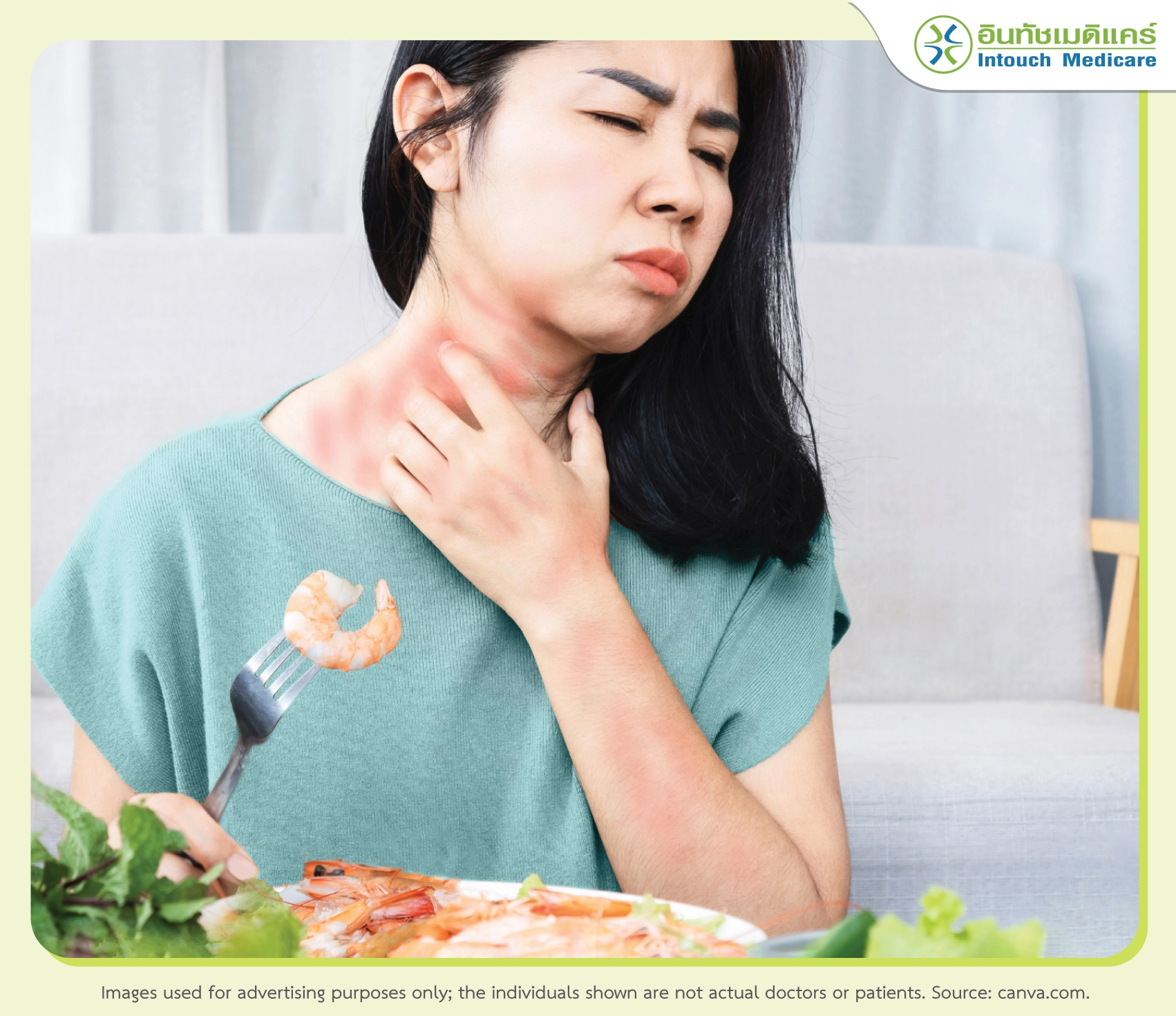
A food allergy occurs when the body’s immune system overreacts to certain foods or food ingredients that are normally harmless. The most common food allergens include milk, eggs, fish, and shellfish, such as shrimp, mantis shrimp, and crab.
Environmental Allergies
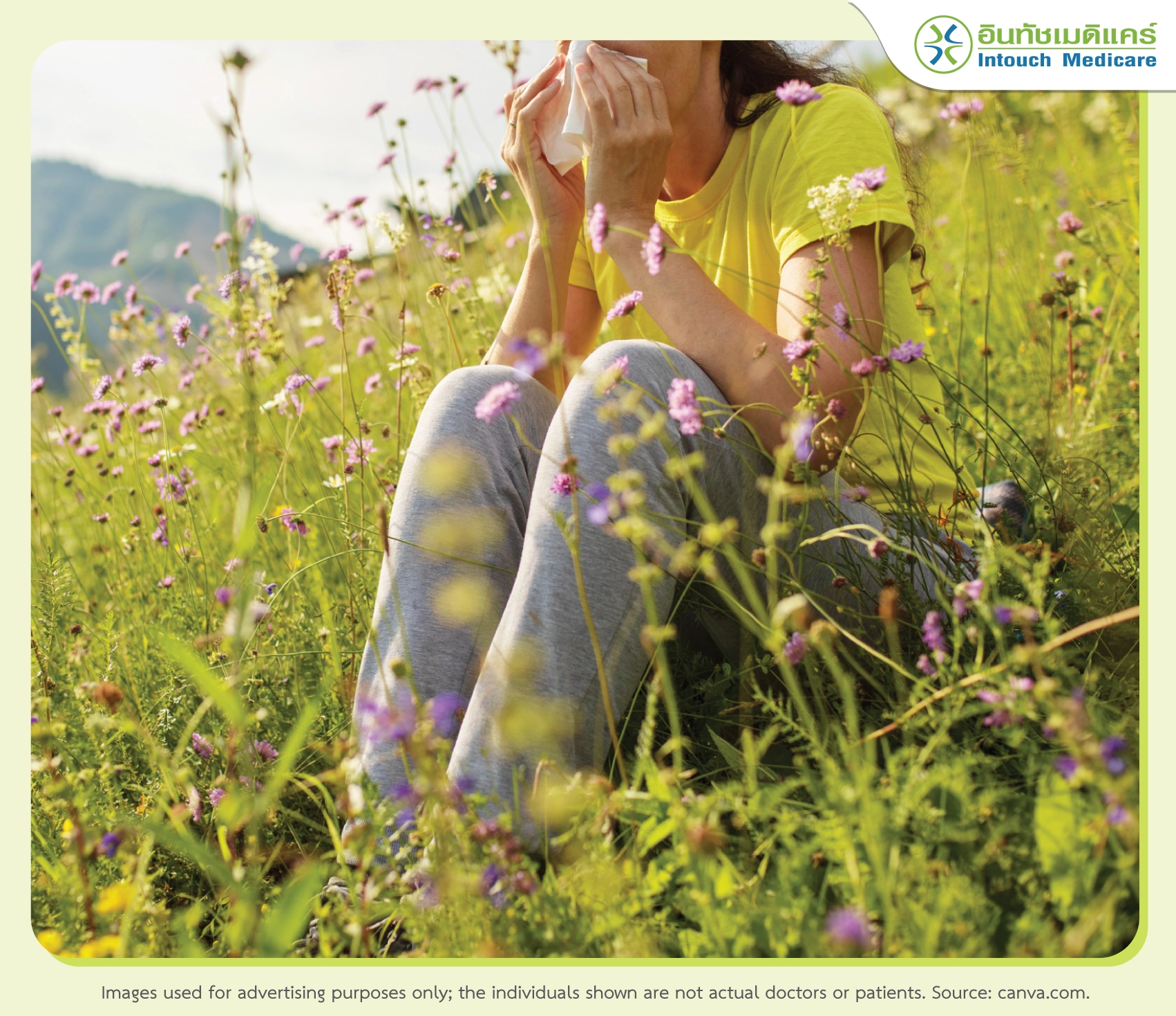
An environmental allergy occurs when the body’s immune system overreacts to harmless substances found in the environment. The most common allergens include pollen, dust mites, pet dander (commonly referred to as a pet allergy), mold, and cockroaches.
Why Do Allergic Reactions Occur?
When a foreign substance enters the body through the eyes, nose, mouth (food), or skin contact, the immune system produces proteins called immunoglobulins (antibodies) to respond to it.
The immune response can be non-specific (rapid) or specific (targeted), which develops after the immune system has recognized and remembered a particular substance. During the initial exposure, the immune system assesses whether the substance is harmful. If it has not encountered the substance before, it learns to recognize it and stores this information, allowing the body to respond more specifically if exposed to the same substance again.
If the body has been exposed to a substance before, it produces specific antibodies that recognize and bind to that substance. An allergy develops when the immune system learns to react excessively to a normally harmless substance and continues to trigger the same exaggerated response whenever it is encountered. For example, a person with a dust mite allergy will experience an excessive immune response each time they are exposed to dust mites.
A simple way to understand this is to imagine visiting someone’s house. The security guard at the entrance recognizes you and introduces you to the homeowner. The homeowner remembers you and greets you with a handshake each time you visit. However, instead of a normal handshake, the homeowner always shakes your hand too forcefully and never changes this behavior.
In this example, you represent the allergen, the security guard represents IgE antibodies, and the homeowner represents mast cells, which release chemicals that trigger allergic reactions whenever they encounter the allergen.
Signs and Symptoms of Allergies
Allergy symptoms are caused by the release of chemicals involved in the allergic response, particularly histamine. Symptoms can range from mild allergic reactions to severe, life-threatening reactions, including anaphylaxis
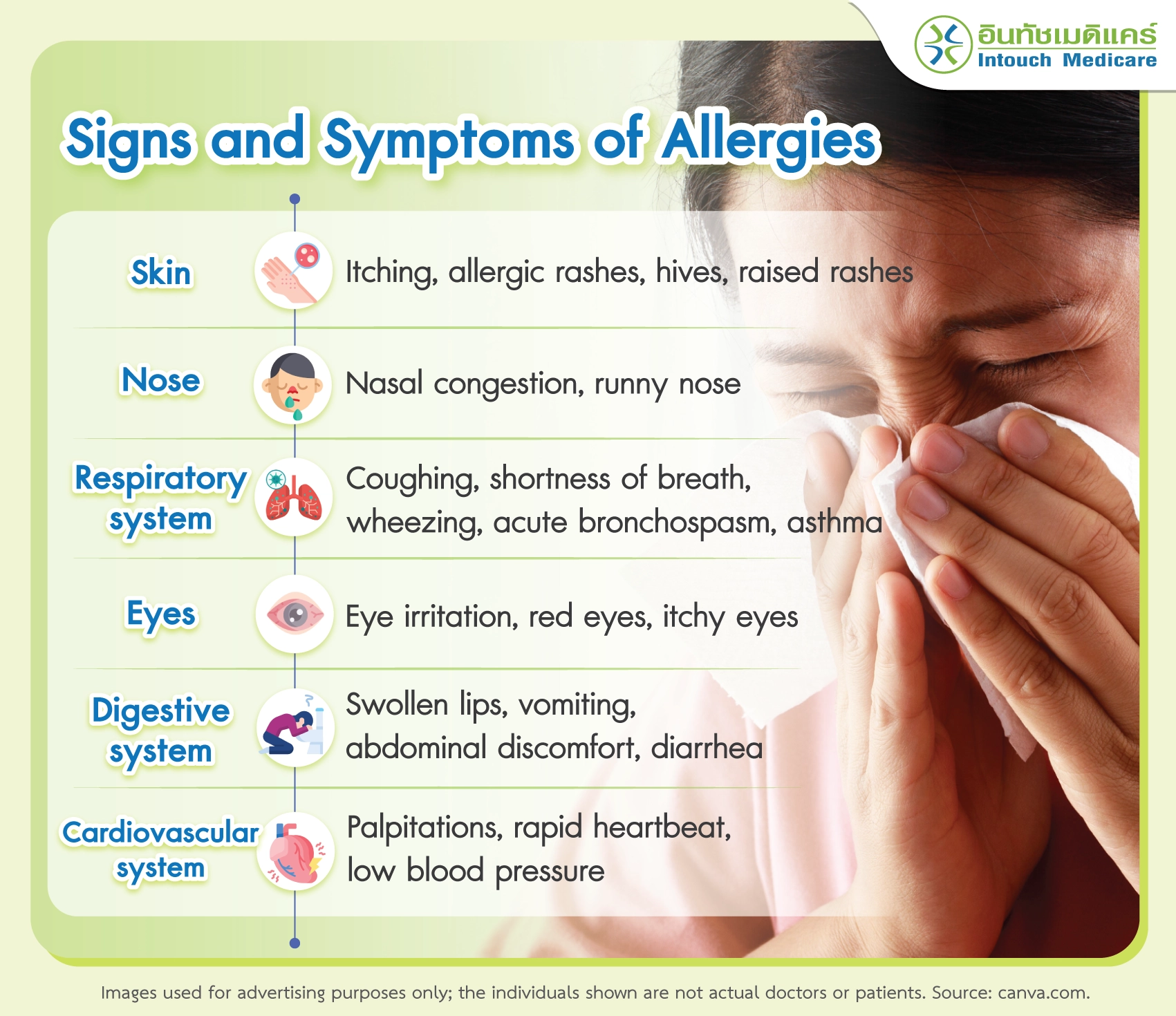
- Skin: Itching, allergic rashes, hives, raised rashes
- Nose: Nasal congestion, runny nose
- Respiratory system: Coughing, shortness of breath, wheezing, acute bronchospasm, asthma
- Eyes: Eye irritation, red eyes, itchy eyes
- Digestive system: Swollen lips, vomiting, abdominal discomfort, diarrhea
- Cardiovascular system: Palpitations, rapid heartbeat, low blood pressure
What Is the Difference Between Food Allergy and Food Intolerance?
Food Allergy
A food allergy occurs when the immune system overreacts to a particular food. Symptoms can affect multiple body systems and may include itching, rashes, chest tightness, and difficulty breathing.
Because food allergies involve the immune system, they can cause severe and potentially life-threatening reactions.
Food Intolerance
A food intolerance occurs when the body is unable to properly digest or metabolize certain foods. Unlike food allergies, food intolerance does not involve the immune system.
The most common example is lactose intolerance, which occurs when the body lacks the enzyme lactase needed to digest lactose, the natural sugar found in milk. This can lead to digestive symptoms such as diarrhea, bloating, acid reflux, heartburn, nausea, and recurring abdominal cramps.
Food intolerance may also cause other symptoms. For example, people with alcohol dehydrogenase deficiency may experience facial flushing after drinking alcohol, while foods high in biogenic amines, such as cheese, chocolate, monosodium glutamate (MSG), and the artificial sweetener aspartame, may trigger migraine headaches in some individuals.
Cost of Food and Environmental Allergy Testing
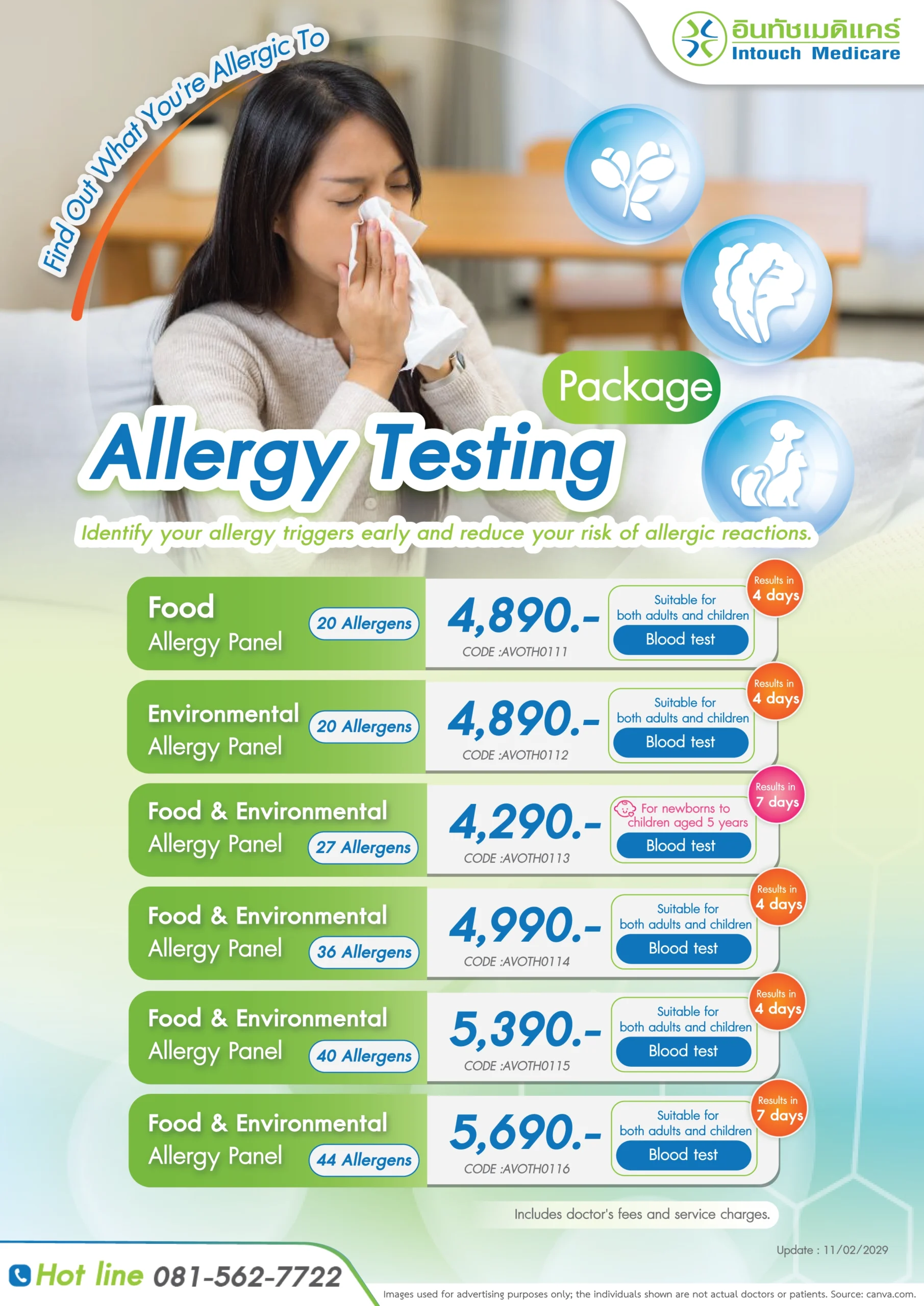
- Food Allergy Test (20 allergens) 4,890 THB
- Environmental Allergy Test (20 allergens) 4,890 THB
- Food & Environmental Allergy Test (27 allergens) 4,290 THB
- Food & Environmental Allergy Test (36 allergens) 4,990 THB
- Food & Environmental Allergy Test (40 allergens) 5,390 THB
- Food & Environmental Allergy Test (44 allergens) 5,690 THB
What Are the Methods of Allergy Testing?
There are two main methods commonly used for allergy testing: the skin prick test and the blood test.
Skin Prick Test
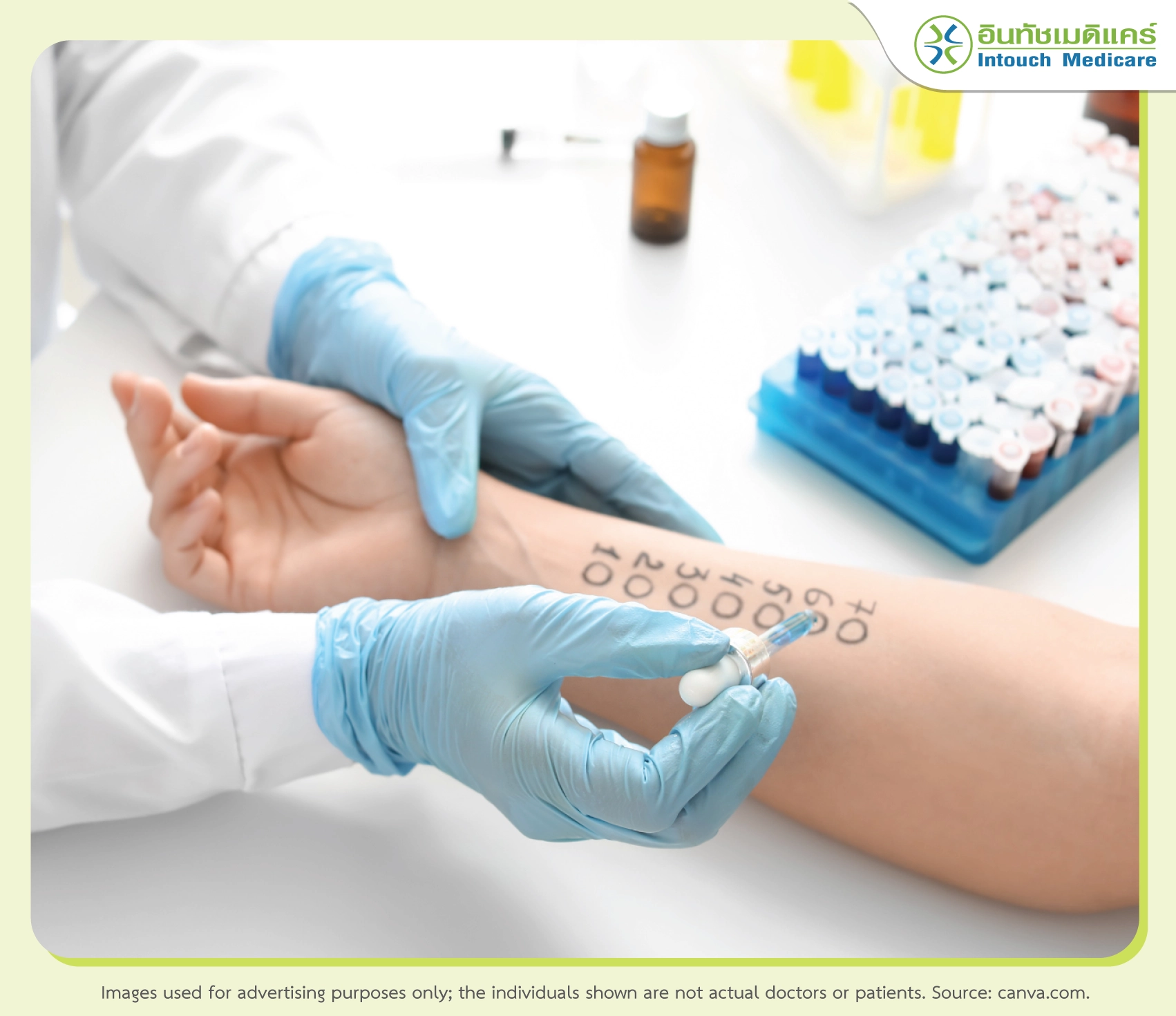
The skin prick test is an allergy test used to assess immediate allergic reactions (IgE-mediated reactions).
- In young children, the test is usually performed on the back, while in older children and adults it is typically done on the inner forearm.
- Procedure: A small amount of allergen extract is placed on the skin, then the skin is lightly pricked to allow the solution to enter. The results are read after about 15 minutes. A positive reaction appears as a raised, red bump similar to a mosquito bite.
- This test uses only a very small amount of allergen, so the risk of a severe allergic reaction is very low.
Blood Test (Serum-specific IgE)
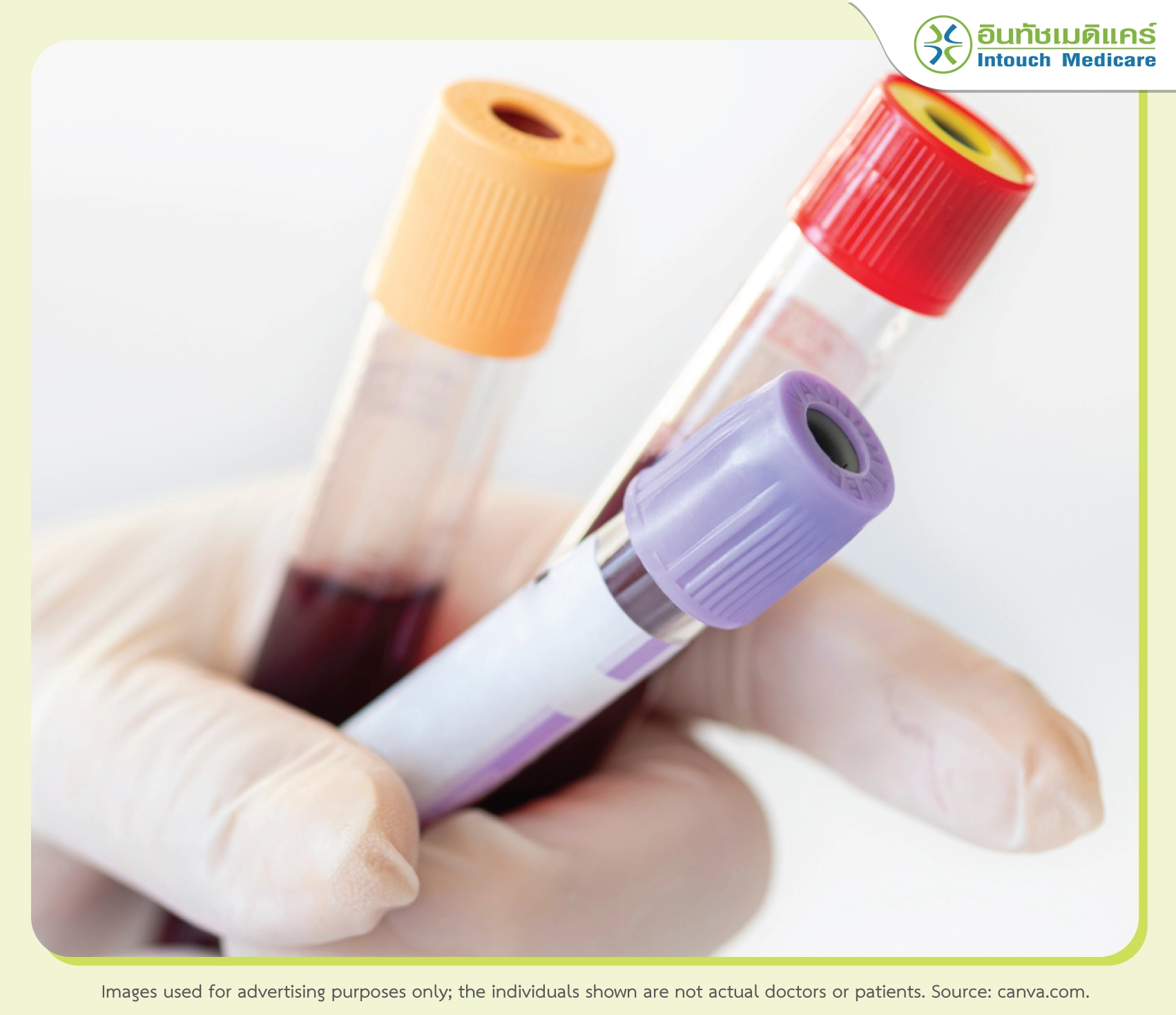
A blood test measures serum-specific IgE, which are antibodies that react to allergens. About 3–5 mL of blood is collected and tested in a laboratory.
- Helps identify what you are allergic to and the level of sensitivity
- Safer than skin prick test because it does not expose the body directly to allergens
Benefits of Allergy Testing
Allergy testing helps identify specific triggers such as foods, substances, or environmental factors that should be avoided in order to reduce unwanted symptoms that may affect quality of life. It also allows individuals to prepare in advance when exposure to known allergens is unavoidable, helping to prevent or reduce allergic reactions.
Allergy Testing Procedure at Intouchmedicare Clinic
- Make an appointment in advance via telephone or online channels, including the website, LINE Official, and Facebook. Please inform the branch and the time you would like to receive the service.
- Walk-in patients can also inform the clinic counter staff that they would like to undergo a food allergy test. If you already have an appointment, you can simply provide your name.
- The staff will introduce the service fees and test items to the patient and take an initial medical history before seeing the specialist doctor.
- You will meet the doctor for a physical assessment and examination.
- A nurse will collect a blood sample for laboratory testing.
- Payment for the allergy testing service is made, and a follow-up appointment is scheduled to receive the test results.
For more information, you may contact us directly or search for “allergy testing clinic near me” on Google. We offer fast service with on-site doctors and nurses available for allergy testing. The process is simple, requires minimal waiting time, and is offered at an affordable price.
References
For more info and make appointment

Panmai Premashthira ,M.D.
General Practitioner
 Latest edit : 15/07/2026
 Images may be used without prior permission exclusively for educational or informational purposes, as long as proper credit is given to intouchmedicare.com