

 TH
TH MM
MM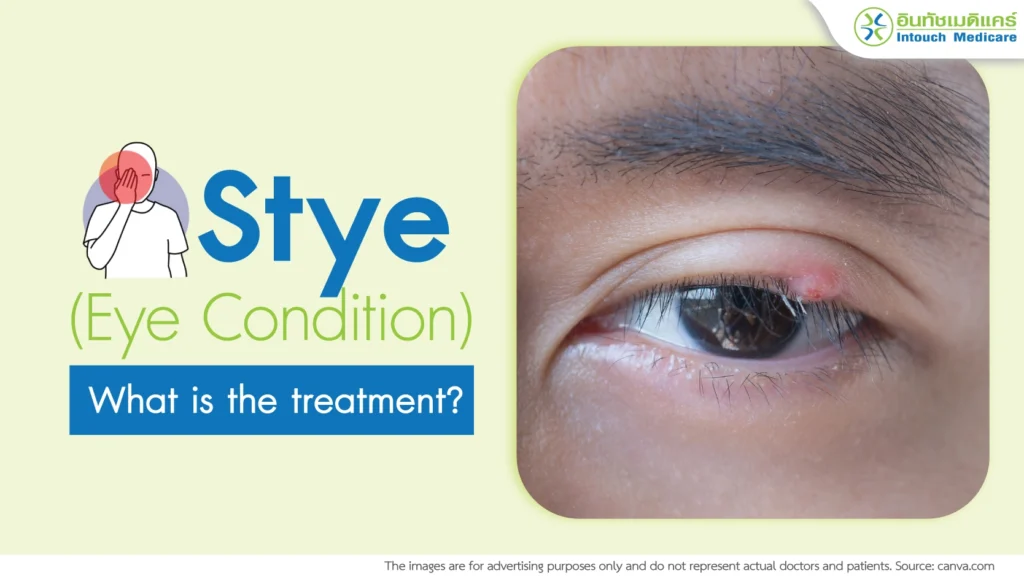
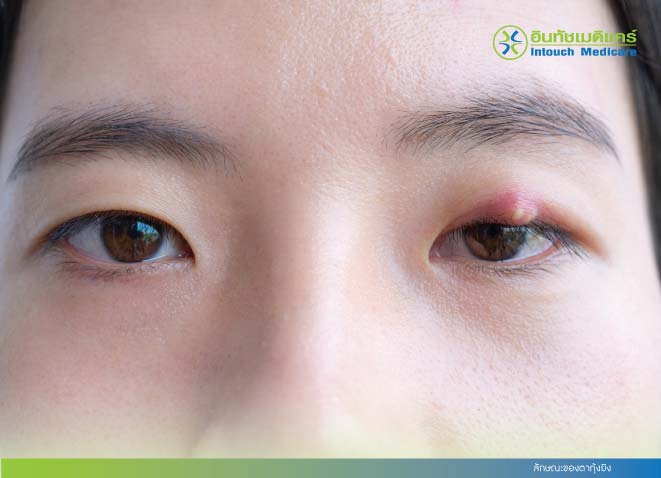
A Hordeolum, commonly known as a stye, is an infection and inflammation of the oil glands located along the eyelid. It typically causes swelling, redness, tenderness, and may result in a small pus-filled lump near the edge of the eyelid. Although a stye is usually not a serious condition and often resolves on its own, improper care or delayed treatment can worsen symptoms and interfere with daily activities.
In some cases, symptoms can be severe, and seeking treatment from a doctor is the best option. Let’s take a look at the available treatments and how you should take care of yourself to avoid getting a stye.
Things You Should Know About Styes
- What causes a stye?
- How many types of styes are there?
- Early symptoms of a stye

- How many days does a stye take to heal?
- Can a stye go away on its own?
- What medication should be taken for a stye?
- What should be avoided when you have a stye?
- How is a stye treated?

- Advice before stye drainage
- Care after stye drainage
What Causes a Stye?
A stye is an infection of the oil glands located along the eyelid. The most common cause is Staphylococcus aureus, a type of bacteria commonly found on the skin. It is often seen in people with a history of blocked eyelid oil glands or blepharitis (eyelid inflammation).
The risk also increases in those who frequently rub their eyes, wear contact lenses, or regularly apply eye makeup. Inadequate removal of makeup can further increase the likelihood of developing a stye.
How Many Types of Styes Are There?
There are two types: internal hordeolum and external hordeolum. The difference lies in the location of the infected gland.
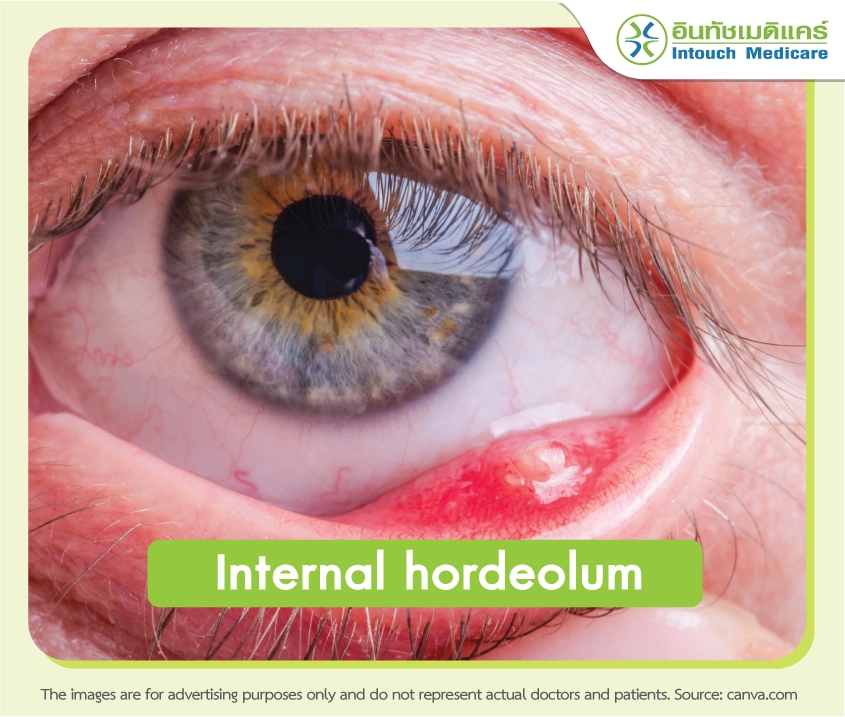
An internal stye occurs due to an infection on the inner side of the eyelid, close to the eye. Patients typically experience eyelid swelling and redness, and a visible pus point is often not clearly seen.
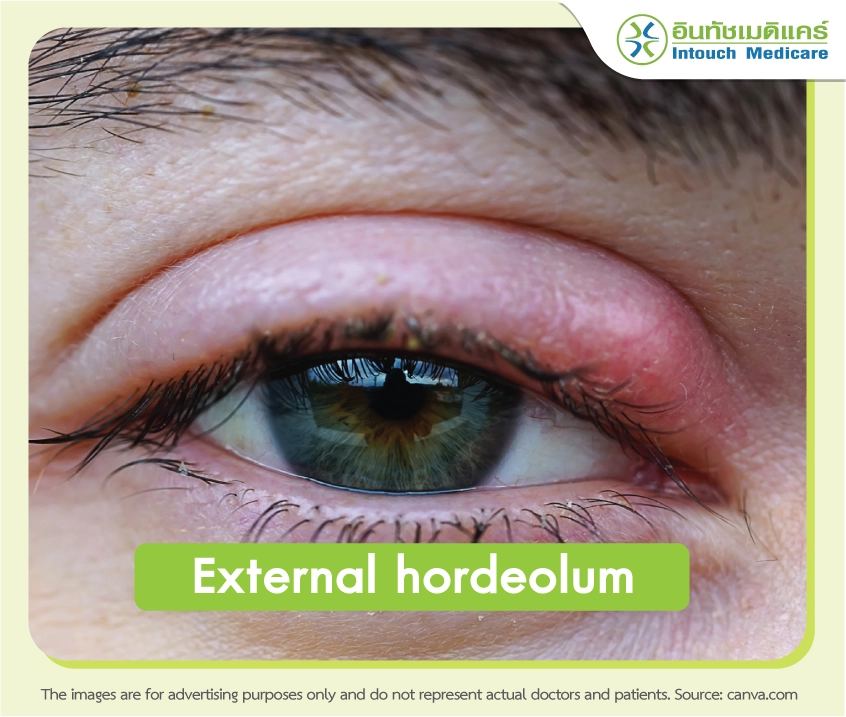
An external stye occurs due to an infection along the outer edge of the eyelid. A visible pus-filled bump can clearly be seen on the outer eyelid.
Early Symptoms of a Stye
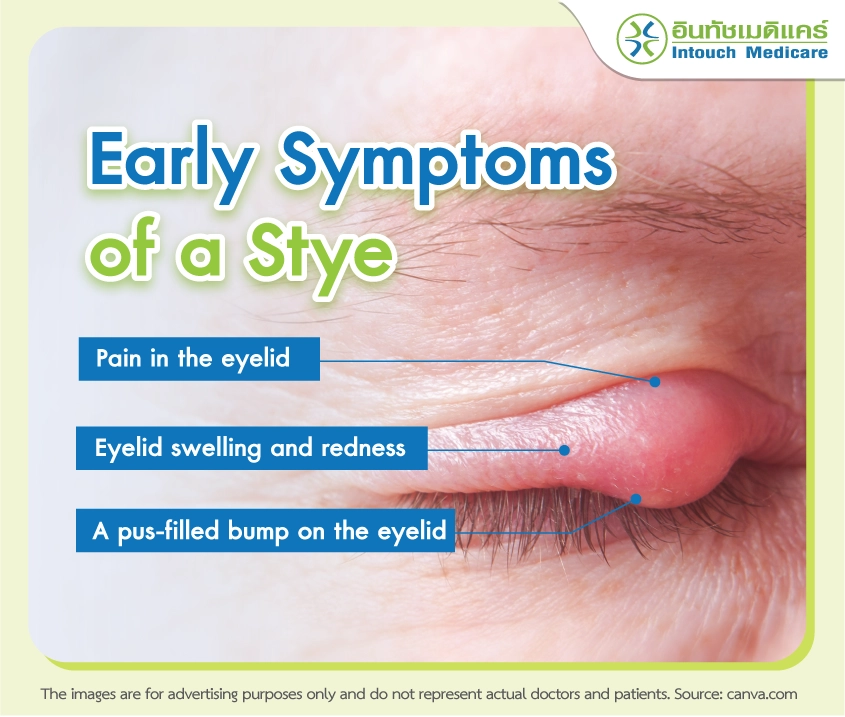
Patients usually have pain in the eyelid, along with swelling and redness. In external cases, a pus-filled bump can be clearly seen on the eyelid. Eye irritation may also occur. In some cases, the bump may rupture on its own, causing discharge mixed with pus.
A stye is a condition of the eyelid and does not affect vision. If vision decreases, you should see an ophthalmologist as soon as possible, as it may be another, more serious condition. 
How Long Does a Stye Take to Heal?
A stye is an infection. If there are no complications, it takes about 1–2 weeks to heal.
Can a Stye Go Away on Its Own?
A stye can resolve on its own if it is not severe and there are no complications. Warm compresses on the eyelid and gentle eyelid massage are recommended to help the pus and infection drain more easily. Cleaning the eyelid with saline solution or clean water is also advised.
After it heals, a lump may remain on the eyelid (chalazion). This can go away on its own, but it may take several months.
What Medication Should You Take for a Stye?
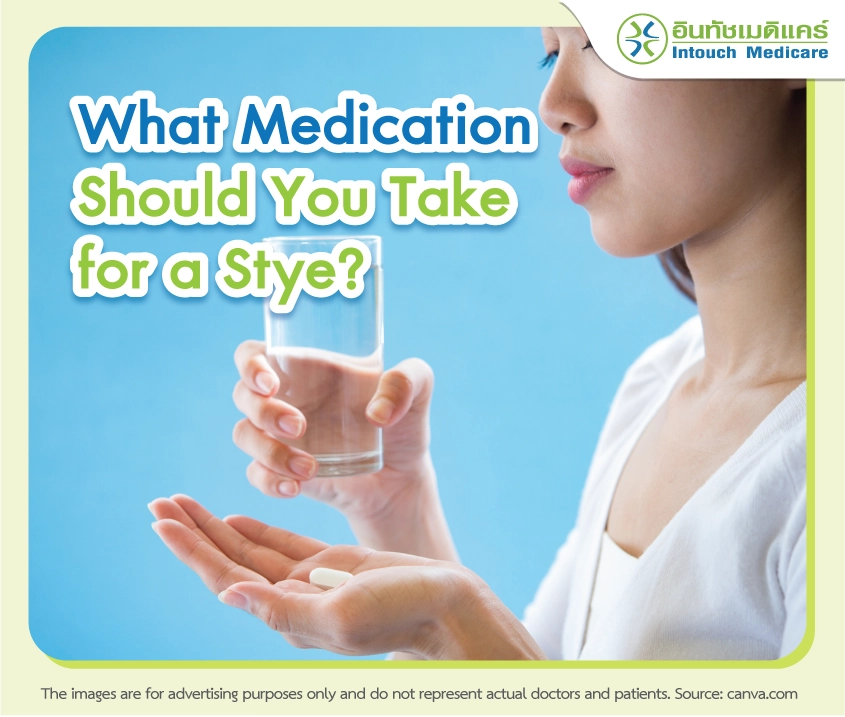
When you have a stye, you may take pain relievers such as paracetamol if you have significant eyelid pain. In some cases, a doctor may prescribe oral or topical antibiotics, depending on the severity and clinical judgment. For proper treatment, it is recommended to see a doctor.
What Should Be Avoided When You Have a Stye?
A stye is an infection caused by external bacteria, so there are no specific food restrictions. The focus should be on warm compresses and proper eyelid hygiene. Avoid rubbing your eyes, and consider wearing glasses to protect against dust and dirt.
How Is a Stye Treated?
- For mild cases, warm compresses are recommended at least 4 times a day, for 10 minutes each time. This should be combined with cleaning the eyelid using saline solution or clean water, and gently massaging the eyelid to help drainage. Paracetamol can be taken to relieve pain and swelling. Avoid rubbing your eyes, and wear glasses to protect against dust and dirt.
- If you are unsure, it is recommended to consult a doctor for proper diagnosis and treatment. In cases with more severe infection or involvement of nearby tissues, oral and topical antibiotics may be required. Self-medicating is not recommended, as it may worsen the condition and lead to complications.
- If symptoms do not improve after warm compresses and medication, you should consult an ophthalmologist. Further treatment may be needed, such as incision and drainage (I&D) or additional investigation, including tissue examination.
Advice Before Stye Drainage
- Avoid medications such as warfarin or aspirin (anticoagulants) before the procedure. This should be done under the guidance of a physician.
- On the day of the procedure, wash your face and hair thoroughly. Do not apply creams or oils to the head, and avoid wearing makeup.
- Avoid dusty, smoky, or polluted environments. When going to places with a lot of dust, it is recommended to wear glasses for protection.
Care After Stye Drainage
- After the procedure, the doctor will cover the eye with a dressing to protect it from dust and to maintain cleanliness around the eye area.
- The eye dressing can be removed after 12–24 hours. Use medications as prescribed. If there is pain, you may take paracetamol every 4–6 hours, 1–2 tablets per dose, or as advised by your doctor.
- Do not rub your eyes.
- From the next day, gently clean around the eye using a clean cloth or cotton soaked in warm water and wrung out.
- Avoid wearing contact lenses during the treatment period.
- If antibiotics are prescribed, take them continuously until completed. If eye drops or ointments are prescribed, use them as directed for at least 7 days.
- Wash your hands thoroughly before touching the eye area.
- If any abnormal symptoms occur, seek medical attention immediately, such as severe eye pain, significant swelling or bruising of the eyelid or treated area, or red eyes.
Although a stye can resolve on its own, it requires time and strict hygiene to prevent further complications. If symptoms become more severe, it is important to see a doctor for proper treatment. Early treatment, while symptoms are still mild, is better than allowing the infection to worsen.
Our stye treatment and drainage starts from 3,600 THB.

References
- Rational Drug Use Manual based on the National List of Essential Medicines: Ophthalmic Drugs, prepared by the Subcommittee for the Development of the National List of Essential Medicines and the National Expert Working Group on Drug Selection (Ophthalmology).
- American Academy of Ophthalmology. Infectious diseases of the external eye: clinical aspects. External Disease and Cornea. San Francisco, CA: LEO; 2006-2007. 8:
- Hordeolum, https://emedicine.medscape.com/article/1213080-overview
For more info and make appointment

Intouchmedicareclinic
Medical Clinic
 Lastest edited : 28/05/2026
  Images may be used without prior permission exclusively for educational or informational purposes, as long as proper credit is given to intouchmedicare.com