

 TH
TH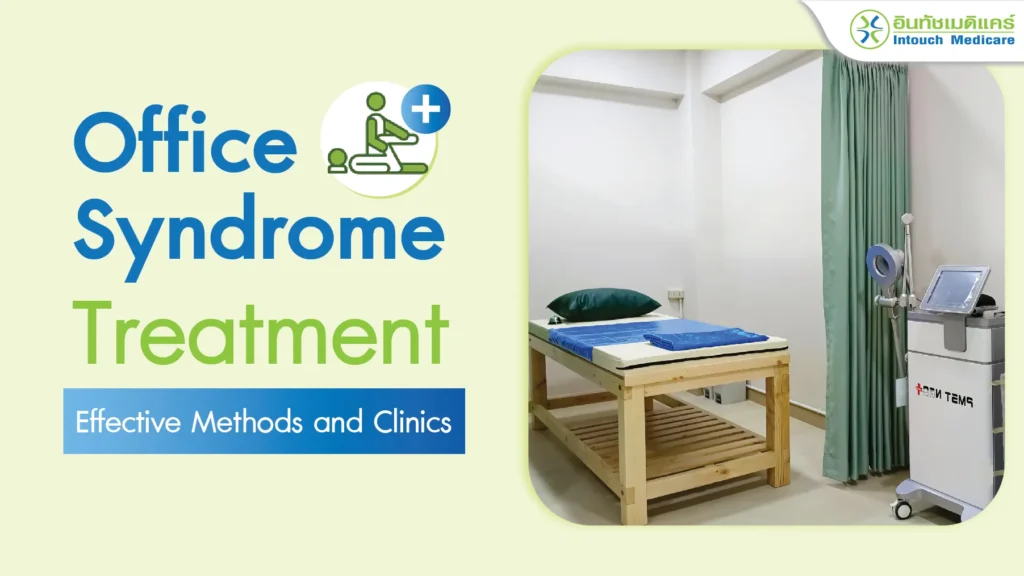
Office Syndrome is a real and prevalent health concern, especially for office workers. If left untreated, it can quickly turn chronic and interfere with day-to-day activities. To help you make an informed decision about treatment, this article will explain the various treatment options and assist you in selecting a clinic to treat office syndrome.
Interesting facts about office syndrome treatments
- Best place for office syndrome treatment

- Office syndrome treatment methods
- Recommended clinics for office syndrome treatment
Best place for office syndrome treatment
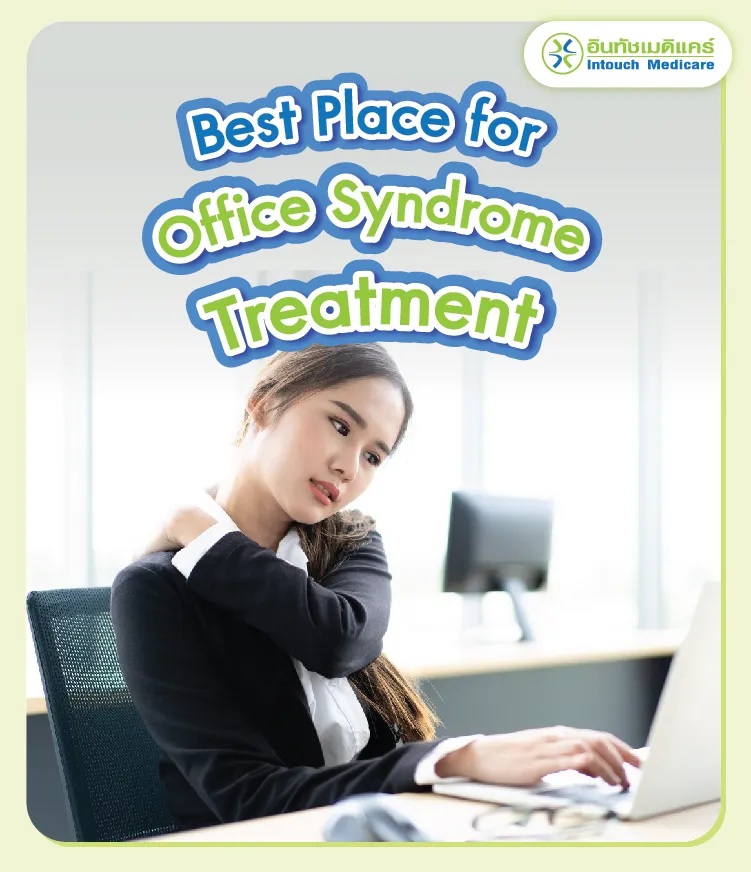
Selecting a clinic with careful medical monitoring and treatment from a physician and physical therapist can hasten recovery and lower the risk of recurrence. 
- A clinic with specialists in orthopedics or rehabilitation medicine
- A clinic with licensed physical therapists

- A clinic with modern equipment for diagnosis and treatment
- A clinic that provides comprehensive services, from examination, treatment to prevention
Office syndrome treatment methods
- Hot compress
- Cold compress
- Physical therapy for office syndrome
- Medication or injections (prescribed by a doctor)
- Regular exercise
- Behavioral and posture modification
Hot compress
Hot compresses are used to ease pain and stiffness 48 hours following an injury. Two or three times a day, it is recommended to apply a hot compress to the sore or stiff area for 15 to 20 minutes. Hot compresses can improve blood circulation, reduce pain, and heal injuries. They are suitable for chronic pain issues like back, neck, and osteoarthritis.
Caution: Hot compresses should not be used to bleeding areas or to individuals who have neuropathy, such as those with diabetes, as these conditions may impair sensation.
Cold compress
Cold compresses are used for acute injuries (within 24-48 hours) to reduce pain, swelling, redness, and heat by constricting blood vessels. To use them, apply the cold pack to the area for 10-20 minutes at a time, 2-3 times a day, ensuring it’s not too cold by wrapping it in a towel first to avoid skin and tissue damage.
Caution: People who are unable to withstand cold temperatures or who are prone to cold allergies or rashes should avoid using cold compresses.

Physical therapy for office syndrome
Physical therapy is a cornerstone of treatment because it provides drug-free pain relief, improves strength and mobility in muscles, nerves, and joints, and re-establishes proper posture and movement patterns.
The most effective treatment methods for office syndrome include muscle massage or joint stretching, chiropractic manipulation, performed by a professional physical therapist, medical technology, ultrasound, electrical stimulation, and laser therapy.
Medication or injections (prescribed by a doctor)
When pain or inflammation is severe, doctors may prescribe anti-inflammatory drugs, muscle relaxants, or local anti-inflammatory injections to speed up recovery.
Caution: Take the medication as prescribed by your doctor. Avoid regular use of painkillers.

Regular exercise
- Stretching routine: which can include neck and shoulder stretches every 2-3 hours, with specific exercises for the back and hips, and arm and wrist muscles
- Aerobic exercise: such as walking, running, swimming for at least 30 minutes 3-5 times a week to improve strength and blood circulation
- Muscle strengthening: Using basic tools like resistance bands and exercise balls to strengthen your muscles two to three times a week, focusing on your back and core.
Behavioral and posture modification
-
Workplace Ergonomics: Set the computer screen’s height to eye level. Select a chair that provides lumbar and back support. Put the keyboard and mouse in the proper locations. If required, make use of a footrest.
-
Breaks: Take short breaks every 30-60 minutes, get up, walk around, and stretch. To relieve neck tension, clasp your hands behind your neck, keep your back straight, and gently bend your head forward to feel a stretch. Hold this position for about 10 seconds, count slowly, and then return to the starting position before repeating on the other side. For your back, arch your body backward, supporting yourself with your hands, and hold the stretch for about 20 seconds.
-
Daily posture improvement: To improve posture, avoid looking down at your phone by holding it at eye level, sleep with a pillow that supports your head and neck based on your sleeping position, and lift heavy objects by bending your knees, not your back.
Recommended clinics for office syndrome treatment
Intouch Medicare is one of the best clinics of choice for office syndrome treatment, with its strengths in various aspects.

Available services
- Diagnosis using modern technology
- Holistic treatment
- Preventive counseling
- Follow-up for ongoing treatment
Team of doctors and specialists
- Physical therapists
- Clinic with professional physical therapists
- Body balance specialists
- Multidisciplinary care team
Technology and equipment
- Hospital-grade diagnostic equipment
- Fully equipped with physical therapy equipment
- Online appointment system
- Electronic medical record system
Office syndrome is a preventable and treatable health issue. It takes a variety of strategies, such as behavior modification, exercise, physical therapy, and medication, when necessary, to effectively manage office syndrome.
For an accurate diagnosis and course of treatment, you should consult a doctor right once if you suffer from office syndrome symptoms. Early intervention can help stop office syndrome symptoms from getting worse and eventually lowering your quality of life.
Interesting articles
- Office Syndrome Symptoms: Is Office Syndrome Treatable?
- Simple Exercises to Lessen Office Syndrome-related Aches and Pains
For more info and make appointment

PT.Pannita Sakulkun
Physical Therapist
 Latest edit : 16/10/2025
 Images may be used without prior permission exclusively for educational or informational purposes, as long as proper credit is given to intouchmedicare.com