

 TH
TH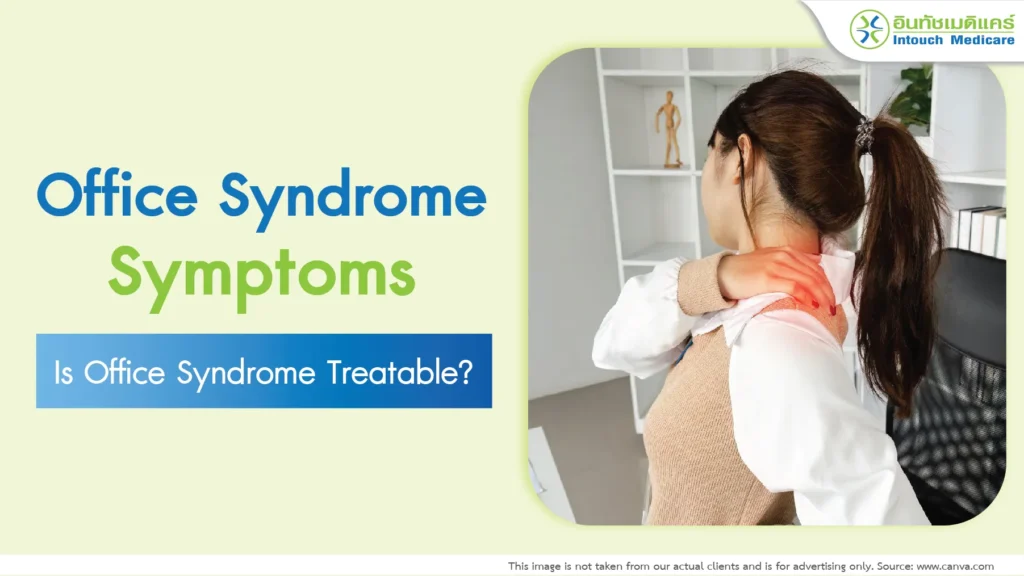
Office Syndrome is a collection of symptoms, including body aches, numbness, and chronic headaches, that results from prolonged sitting and repetitive motions, typically associated with office work.
If behavioral habits like poor posture or prolonged sitting are not corrected, the initial symptoms of office syndrome can become chronic, interfering with daily life and potentially requiring professional office syndrome treatment.
Interesting facts about office syndrome
- What is office syndrome?
- Office syndrome symptoms

- Causes of office syndrome
- Prevention of office syndrome
- Occupations at risk of office syndrome
- Is office syndrome treatable?
What is office syndrome?

Office Syndrome is a collection of symptoms affecting office workers due to prolonged static posture and repetitive movements, primarily from computer use. It can affect multiple bodily systems, including the musculoskeletal, digestive, cardiovascular, as well as visual systems.
Office syndrome symptoms

Neck, back and shoulder pain
Spending long hours at a computer can lead to muscle stiffness and soreness in the neck, shoulders, and shoulder blades. It’s possible that some people are in such much pain that they can’t turn their necks or elevate their heads. It is recommended to get a massage to loosen the muscles or take periodic stretching breaks.

Inability to lift your arm
Inability to lift your arm is a symptom that often occurs after neck, shoulder, and back pain. If you experience severe muscle tension that may radiate down your arm and make it difficult to lift your arm due to scar tissue forming in your shoulder blades and shoulders, you should apply heat to improve circulation or perform acupressure by a specialist.

Numbness, tendonitis, and trigger finger
Prolonged and repetitive computer use, especially when holding a mouse in the same position or tensing the fingers while typing, can lead to tendon inflammation like tenosynovitis. This can cause finger pain, wrist stiffness, and potentially lead to more serious conditions such as trigger finger.

Chronic back pain
Sitting with a hunched back or wearing high heels for long periods can tighten back and shoulder muscles, causing chronic pain. Additionally, lifting heavy objects or strenuous exercise can lead to back muscle strains. If you are experiencing pain, it is important to see a doctor for a proper evaluation and treatment plan.
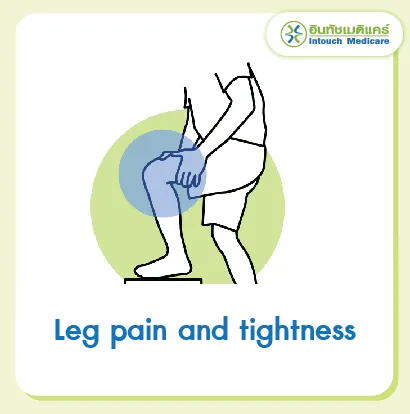
Leg pain and tightness
Prolonged sitting, walking, or standing can cause leg pain, stiffness, and numbness due to muscle tension and potential nerve pressure. If left untreated, it can lead to sciatica, which is characterized by pain, tingling, and numbness that radiates from the lower back or buttock down one leg to the foot and toes.

Migraine or chronic headache
Working people often experience accumulated stress and insufficient rest, which can lead to pain in the temples, forehead, nape, and back of the neck. They can also be a warning sign of migraines, which can be triggered by factors like heat and hormonal imbalances.
Causes of office syndrome
Personal factors
- Aging and age-related degeneration
- Overweight
- Improper posture like constantly lifting your shoulders, bending your neck for long periods, or holding your phone in your arms
- Poor desk ergonomics that forces you to reach far
- Working with a computer in the same position for long periods
Environmental factors
- Cramped or poorly ventilated work areas
- Poor lighting that causes excessive focus on the screen
- Poor ergonomics from an incorrect table, chair, or computer setup
- You may be exposed to trace levels radiation from some office equipment (such as older computer monitors).
Psychological factors
- Continuous work-related stress
- Untreated stress and mental health issues

Occupations at risk of office syndrome
- Administrators, all types of office work
- Accounting, finance, purchasing, and human resources staff
- Bank employees
- Programmers, software developers, and game developers
- Webmasters
- Writers, journalists
- Researchers, statisticians, and computer instructors
- Electronic marketers
- Control room operators in factories
Prevention of office syndrome

-
Arrange your desk properly, adjust your chair so your feet are flat on the floor and your knees are at a at eye level to reduce neck strain.
-
Change your posture frequently by standing, walking, or shifting your sitting position every 30–60 minutes to prevent muscle fatigue, discomfort, and poor alignment.
-
Regularly stretch your muscles such as neck, shoulders, and back multiple times a day to reduce tension and prevent muscle stiffness.
-
Use the 20-20-20 rule for screen breaks by looking 20 feet (about 6 meters) away from the screen for 20 seconds every 20 minutes.
-
Adjust the work environment for better lighting and ventilation to reduce stress while working.
-
Exercise regularly to strengthen your muscles, which helps your body recover faster and feel less tired over time.
-
Get enough sleep and good quality sleep, 6-8 hours a day, to reduce fatigue and rejuvenate your tired body.
Is office syndrome treatable?
Office Syndrome is treatable through a combination of adjusting your behavior and addressing the root causes, which include poor posture and muscle overuse.

The treatment for Office Syndrome involves a combination of rest, adjusting work habits, and regular exercise. Key strategies include correcting posture, taking frequent breaks to move and stretch, ensuring ergonomic setup of your workspace, and engaging in muscle-strengthening activities to reduce pain and prevent recurrence.
It is important to manage current symptoms and adhere to your doctor’s instructions by using heat, muscular massage, and physical therapy.
With consistent adherence to the aforementioned recommendations, the majority of symptoms will either improve or go away. On the other hand, they can return if you ignore them.
Office Syndrome is a condition caused by repetitive work behaviors, improper sitting posture, and an unsuitable environment. These symptoms can lead to chronic aches, numbness, or headaches. If left untreated, they can become chronic and disrupt daily life. However, they can be prevented and treated by adjusting your behavior, creating a suitable work environment, taking regular stretching breaks, and maintaining a healthy balance between physical and mental health.
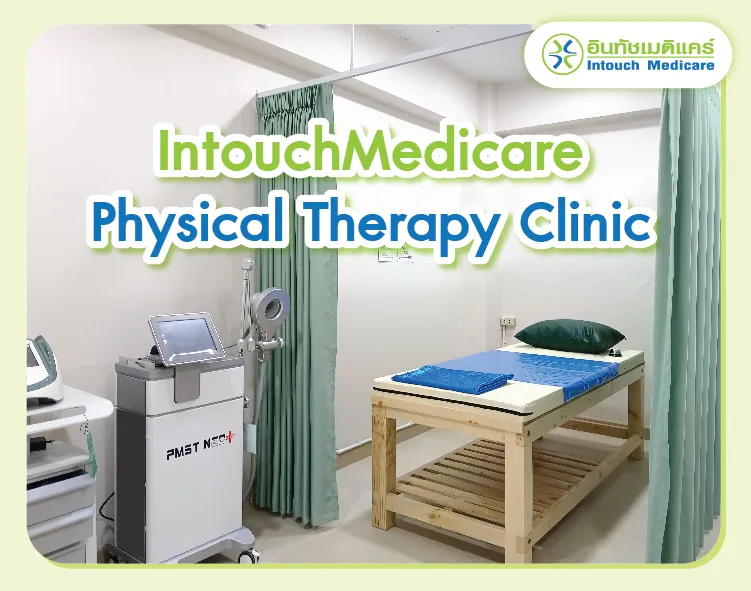
IntouchMedicare Physical Therapy Clinic offers services for muscle aches, neck, shoulder, back, and office syndrome, using modern equipment and techniques to help patients regain mobility and reduce pain. The clinic’s professional team uses treatments like massage, ultrasound, and exercises to address the symptoms and prevent recurrence. Contact the clinic for more information before your first service.
References
- Health promotion to “overcome office syndrome” in working age population, Department of Health (Thailand)
For more info and make appointment

PT.Pannita Sakulkun
Physical Therapist
 Latest edit : 16/10/2025
 Images may be used without prior permission exclusively for educational or informational purposes, as long as proper credit is given to intouchmedicare.com