

 TH
TH MM
MM
Contraceptive implants are a highly popular option for those seeking long-term birth control, offering high effectiveness and convenience without the daily worry of taking pills. Many people wonder about the cost of an implant, how long it lasts, and whether it can be done at a nearby clinic. This article will provide in-depth information on everything you need to know about birth control implants.
Whether you are considering this method of contraception or simply seeking more information to make an informed decision, we have compiled the essential answers and details for you. This will help you feel confident and plan your birth control effectively, suited to your lifestyle and needs.
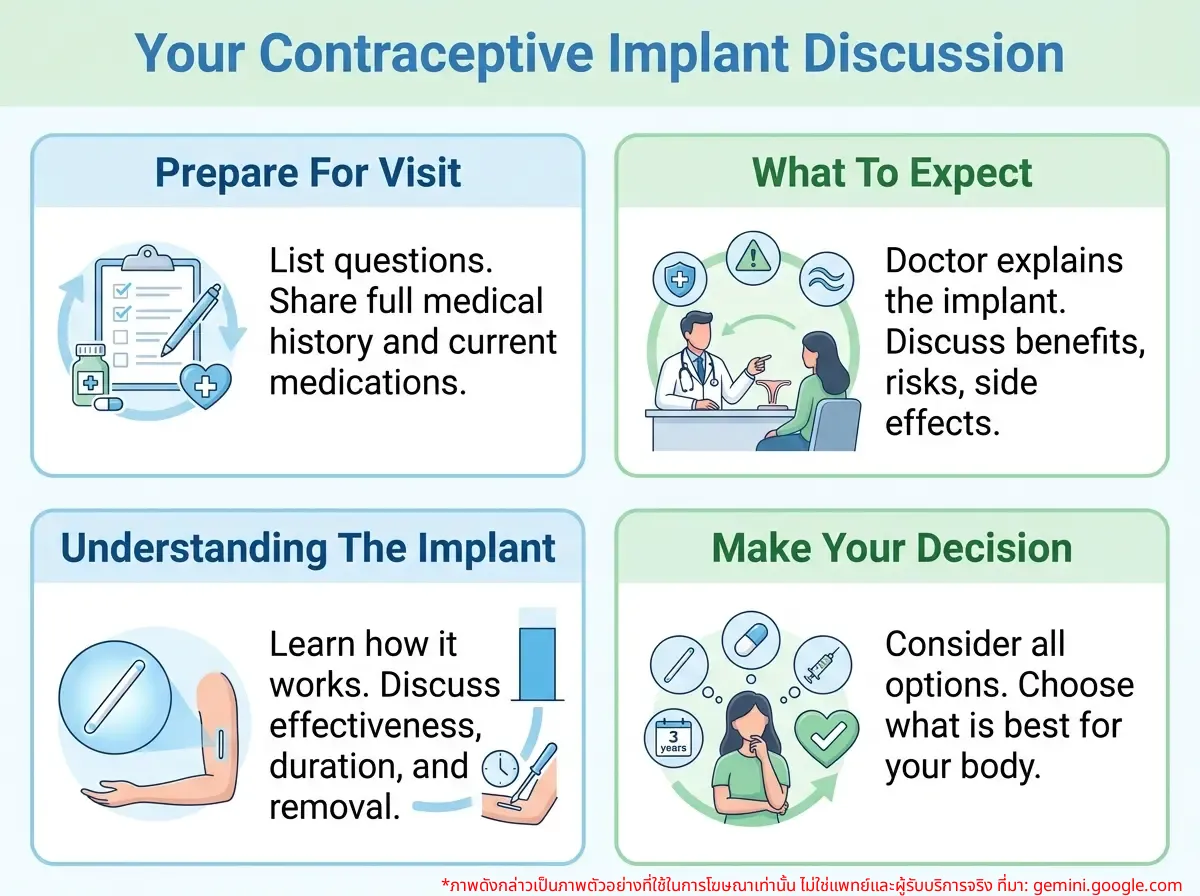
1. What is a Birth Control Implant? Who is it suitable for?
A birth control implant is a small, flexible rod, approximately 2 millimeters in diameter and 4 centimeters long, which is inserted under the skin on the inner side of the upper arm. The implant continuously releases a low dose of synthetic progestin hormone into the bloodstream to prevent pregnancy.
Mechanism of Action and Effectiveness
- Inhibits ovulation: The hormone interferes with the ovulation process, preventing eggs from being released for fertilization.
- Thickens cervical mucus: This creates a barrier, making it difficult for sperm to travel into the uterus.
- Thins the uterine lining: This makes the uterine lining unsuitable for embryo implantation, should fertilization occur.
Most birth control implants are effective for 3 or 5 years, depending on the type and brand of the implant.
Who is suitable for birth control implants?
- Those who desire long-term contraception and prefer not to use methods requiring frequent action, such as daily pills.
- Those who frequently forget to take birth control pills.
- Mothers who are breastfeeding (as it is a progestin-only contraceptive).
- Those who seek highly effective contraception (over 99% effective).
Contraindications for this type of birth control
Although birth control implants are highly effective, there are limitations for certain individuals, such as:
- Individuals with a history of allergy to the implant or its components.
- Individuals with a history of blood clots or vascular diseases.
- Individuals with unexplained abnormal vaginal bleeding.
- Individuals with breast cancer or other hormone-related cancers.
- Individuals with severe liver disease or liver tumors.
Before deciding on a birth control implant, it is advisable to consult a doctor for a thorough assessment of suitability and a detailed review of your medical history.
2. How much does a birth control implant cost? Are there other expenses?
The cost of a birth control implant in Thailand can vary depending on several factors. Generally, the expense falls within a certain range, but no exact figures are specified as prices may change or differ across various medical facilities.
Factors affecting the price
- Type and brand of implant: There are various brands of birth control implants with different durations of effectiveness (e.g., 3 or 5 years), which directly impacts the price.
- Medical facility: Gynecological clinics, public hospitals, or private hospitals will have different service fees. Private hospitals or specialized clinics often have higher prices than public hospitals.
- Promotions and packages: Some medical facilities may offer promotions or packages that include a physical examination and the implant insertion fee, which could help save costs.
Other potential expenses
- Pre-insertion physical examination fee: Before the implant insertion, the doctor will conduct a basic health check, take a medical history, check blood pressure, weight, and may perform a urine test to confirm no pregnancy. This cost might be included in a package or be an additional expense.
- Implant removal/replacement fee: Upon reaching the end of its effective period, or if removal is desired for other reasons, there will be a cost for removal, which may include consultation and procedure fees.
Using Social Security or Universal Healthcare Rights
In some cases, individuals with Social Security or Universal Healthcare (Gold Card) rights may be able to receive contraceptive implant services at a reduced cost or no cost. This depends on the policy of each medical facility and the conditions for using these rights. It is advisable to inquire directly with the interested medical facility for more information.
3. How many years does a birth control implant last? When should it be removed?
The duration of effectiveness of a birth control implant is a key factor contributing to its popularity. Generally, each type of implant has a clear contraceptive duration:
- Some birth control implants are effective for 3 years.
- Some birth control implants are effective for 5 years.
This specified duration is the period during which the implant consistently releases hormones in sufficient amounts to effectively prevent pregnancy at its highest efficacy.
When should it be removed?
- Upon completion of the duration: If 3 or 5 years have passed, depending on the type of implant, it should be removed. A new implant can be inserted immediately if continued contraception is desired.
- Desire to conceive: If you wish to become pregnant, the implant can be removed immediately, and fertility typically returns quickly (within a few weeks or months).
- Severe or intolerable side effects: If significant side effects occur that impact quality of life, such as severe abnormal bleeding or other side effects that do not improve after adjustment, you can consult a doctor to consider removal.
- Other health issues: Such as the development of certain diseases for which the birth control implant may be contraindicated.
Removing the implant when due is extremely important, as leaving it in will reduce its contraceptive effectiveness and may lead to unintended pregnancy. Removal should only be performed by a doctor or specialized medical personnel.
💡 Did you know? Birth control implants are up to 99% effective at preventing pregnancy and can last for several years without the worry of forgetting to take daily pills, making them one of the most reliable contraceptive methods available today!
Effectiveness and Convenience of Birth Control Implants
The fact that birth control implants are up to 99% effective means there is only a 1 in 100 chance of pregnancy throughout the implant’s active period. This is a very low rate compared to other contraceptive methods. The convenience of not having to remember or manage anything daily makes birth control implants an attractive option for women seeking long-term independence and confidence in their contraception.
Furthermore, the hormone released is progestin-only, making it suitable for those who cannot use estrogen-containing birth control, such as breastfeeding individuals or those at risk of blood clots. Understanding these advantages can help women make better-informed decisions about choosing the most appropriate contraceptive method for themselves.

4. Can I get a birth control implant at a nearby clinic? Or do I need to go to a hospital?
Birth control implant insertion can be performed at both clinics and hospitals, depending on the patient’s convenience. However, it is crucial to choose a medical facility that meets standards and has specialized medical personnel.
Types of Medical Facilities Offering Services
- Gynecological clinics: Many clinics, especially those with gynecologists, often offer birth control implant services. Advantages include convenient travel, flexible appointments, and shorter waiting times.
- Public hospitals: General government hospitals provide birth control implant services in their obstetrics and gynecology departments. Advantages include generally lower costs and potential coverage by certain healthcare rights, but disadvantages may include long waiting times and queues.
- Private hospitals: Large private hospitals also offer birth control implant services. They provide high convenience, fast service, and modern equipment, but at a higher cost than public hospitals.
Pros and Cons of Each Option
- Clinics:
- Pros: Convenient, shorter waiting times, private atmosphere.
- Cons: Costs may vary, need to thoroughly check the clinic’s standards and reputation.
- Public Hospitals:
- Pros: Cost-effective, covers certain healthcare rights.
- Cons: Crowded, long waits, may not be convenient for travel.
- Private Hospitals:
- Pros: Fast service, modern equipment, high privacy.
- Cons: Higher costs.
Recommendations for Choosing a Clinic/Hospital
No matter where you choose, it is important to consider:
- Doctor’s expertise: Choose a doctor with experience in inserting and removing birth control implants.
- Facility standards: The clinic or hospital must be clean, meet standards, and have appropriate and safe equipment.
- Reviews and credibility: Check reviews from actual patients or ask acquaintances.
- Accessibility: Choose a medical facility that is convenient to travel to.
To find nearby locations, use online search services like Google Maps or the websites of various clinics and hospitals. Type search terms such as “birth control implant near me” or “gynecological clinic birth control implant” to view options and phone numbers for further inquiries before receiving services.
5. What is the preparation before and the procedure for a birth control implant?
Preparation and understanding the birth control implant procedure will help alleviate your concerns and ensure a smooth service experience.
Preparation before implant insertion
- Doctor consultation: The first step is to consult a doctor to take your medical history, check for pre-existing conditions, current medications, and assess whether a birth control implant is the right method for you.
- Basic health check-up: The doctor will perform a basic physical examination, such as measuring blood pressure, weighing you, and possibly a urine test to confirm no pregnancy.
- Provide important information: You should inform your doctor if you have any drug allergies, are breastfeeding, or have any other concerns.
- Fasting: Generally, there is no need to fast before the implant insertion, but you should reconfirm with your doctor or the medical facility.
- Menstrual period: Doctors usually recommend inserting the implant during the first 5-7 days of your menstrual period to ensure you are not pregnant.
Detailed steps of the implant insertion procedure
The birth control implant insertion procedure is straightforward and takes a short time, approximately 5-10 minutes.
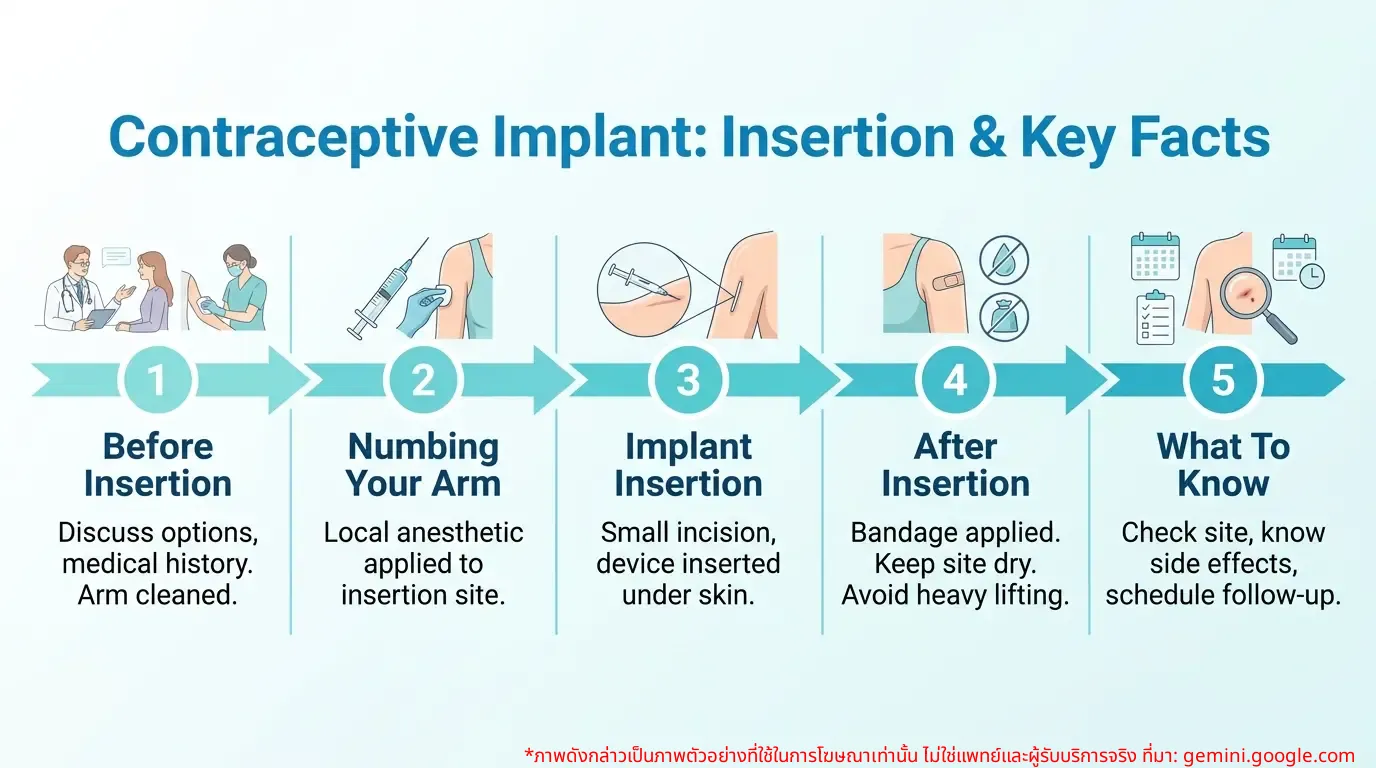
- Clean and anesthetize: The doctor will clean the skin on the inner side of your upper arm (usually the non-dominant arm) and inject a local anesthetic into the area where the implant will be inserted, to ensure you feel numb and no pain during the procedure.
- Insert the implant: Once the anesthetic takes effect, the doctor will use a special instrument, similar to a needle or a specially designed inserter, to place the birth control rod under the skin through a small incision of approximately 2 millimeters.
- Check placement: The doctor will palpate and ensure that the implant rod is in the correct position under the skin.
- Post-insertion care: After the implant is inserted, the doctor will apply a plaster to stop any bleeding and may use gauze or a pressure bandage for about 24-48 hours to reduce swelling and bruising.
After the implant insertion, you might experience slight soreness or bruising at the insertion site, which is normal and will subside within a few days. You should keep the wound clean and dry as instructed and avoid getting it wet until it has fully healed.
6. What are the side effects of birth control implants? And how to take care of yourself?
As with other contraceptive methods, birth control implants may have side effects. Most are not severe, and the body usually adjusts within a few months.
Common Side Effects
- Irregular periods: This is the most common side effect. You may experience spotting, irregular periods, or your period may stop altogether, which is normal due to hormonal changes.
- Nausea, dizziness: These may occur during the initial period of use, but symptoms usually improve on their own.
- Headaches: Some individuals may experience headaches, which can be more severe in some cases.
- Weight gain: This is a side effect observed in some individuals. Although some studies indicate no significant increase, it is a concern for many.
- Breast tenderness: You may experience breast fullness or pain.
- Acne: Some individuals may find their acne flares up or worsens.
- Mood swings: It may affect mood, such as increased irritability or mild depression.
Side Effects Requiring Medical Consultation
- Severe lower abdominal pain.
- Heavy or unusually prolonged abnormal vaginal bleeding.
- Severe allergic reactions, such as rash or difficulty breathing.
- Signs of infection at the insertion site, such as swelling, redness, warmth, or pus.
- Severe depression or thoughts of self-harm.
- Severe headaches that do not improve.
- Signs of pregnancy.
Self-care recommendations after birth control implant insertion
- Monitor symptoms: Watch out for potential side effects and note any unusual symptoms to discuss with your doctor at your next appointment.
- Wound care: Keep the wound at the insertion site clean and dry as per your doctor’s instructions.
- Follow-up appointments: Attend scheduled follow-up appointments to monitor your symptoms and the implant’s effectiveness.
- Consult a doctor if concerned: If you have any questions or experience any side effects that make you uncomfortable or unsure, consult your doctor immediately.

Birth control implants are an effective and convenient option for those seeking long-term contraception. With the information we have provided, we hope you now have a clear understanding of birth control implants, including their cost, duration of effectiveness, service locations, preparation, insertion procedure, and potential side effects.
Most importantly, consult a specialist doctor to receive advice tailored to your physical condition and needs, ensuring you can confidently choose the safest and most effective contraceptive method. If you have further questions, feel free to contact or book an appointment through the clinic’s channels.
Related Articles
- Birth Control Implant: Price, Reviews, Side Effects, and Contraindications Before Insertion
- How to Get a 3-Year and 5-Year Contraceptive Implant: What is the Procedure?
- Implantable Birth Control vs. Other Types of Birth Control: What’s the Difference?!
- 3-Year vs. 5-Year Birth Control Implant: Which to Choose? What is the Pregnancy Prevention Rate, and Can You Ejaculate Inside?
- 3-Year vs. 5-Year Birth Control Implant: What’s the Difference? And Which is Best for Your Lifestyle?