

 TH
 MM

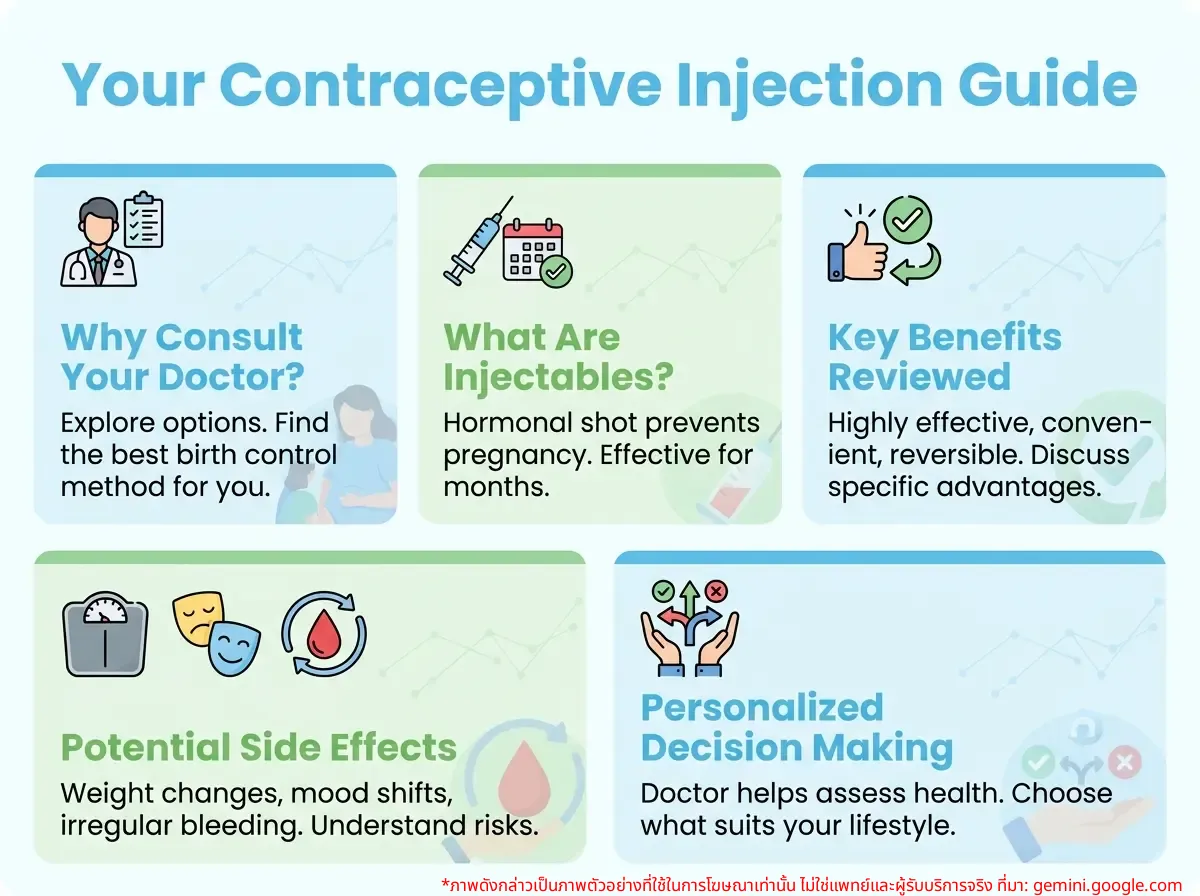
Choosing the right birth control method is crucial, especially with the widespread popularity of injectable contraceptives due to their convenience and effectiveness in preventing pregnancy. However, many may still be confused and ask, “Where is a birth control shot clinic near me?” and “Should I choose a 1-month or 3-month birth control shot?” This article will help clarify your doubts and guide you in choosing the most suitable birth control method for you, along with expert advice.
Understanding the differences between each type of injectable birth control, including their pros, cons, and potential side effects, will help you plan your contraception confidently and safely. Consulting a specialist doctor is therefore key to choosing the method that best suits your lifestyle and health.
1. Where Can I Find a Birth Control Shot Clinic Near Me?
Finding a clinic or hospital that offers birth control shot services near you is not difficult nowadays. There are several ways to ensure you receive convenient and safe services:
- Using Google Maps: Type “birth control shot clinic” or “birth control shot hospital” into the Google Maps search bar. It will display nearby medical facilities with their addresses, phone numbers, and user reviews.
- Hospital and Clinic Websites: Most hospitals and clinics have their own websites. You can visit these websites to check for obstetrics and gynecology services or birth control services directly.
- Inquire from Public Health Agencies: Local public health offices or sub-district health promotion hospitals (Rop. Stor.) can provide information about clinics or medical facilities offering birth control shots in your community.
- Recommendations from Acquaintances: Asking friends, relatives, or acquaintances who have used birth control shot services can be another way to find a reliable clinic.
Recommendations for Checking Reliability:
- Operating License: Check if the clinic or hospital has a legally valid operating license.
- Specialist Doctor: It should be a doctor with experience in obstetrics and gynecology.
- Hygiene: Observe the cleanliness and standards of the facility.
- Costs: Inquire about service fees clearly before receiving treatment.
- Reviews and Reputation: Read reviews from other service users to help make your decision.
2. What is a 1-Month Birth Control Shot? What are its Pros and Cons?
The 1-month birth control shot is a combined hormonal injectable contraceptive containing both estrogen and progestin. It works by inhibiting ovulation, thickening cervical mucus, and making the uterine lining unsuitable for embryo implantation.
Frequency of Injection and Effectiveness
This type of birth control must be injected every 28-30 days, or approximately once a month. If injected regularly as scheduled, it is highly effective in preventing pregnancy, up to 99%.
Pros of the 1-Month Birth Control Shot
- Regular Menstrual Periods: Users often experience normal and regular menstrual cycles, similar to natural ones.
- Easier Return to Fertility: When discontinuing the shot, hormones are cleared from the body relatively quickly, making it easier and faster to conceive compared to the 3-month birth control shot.
- Reduces Premenstrual Syndrome (PMS): Helps alleviate menstrual cramps and other related symptoms.
- Positive Effect on Bone Health: Has no long-term impact on bone mineral density.
- Reduces Risk of Certain Cancers: Helps reduce the risk of ovarian and endometrial cancers.
Cons of the 1-Month Birth Control Shot
- Monthly Injections Required: Users must receive an injection every month as scheduled, which may be inconvenient for some.
- Initial Side Effects: May experience spotting, nausea, headaches, or breast tenderness during the first 2-3 months of use.
- Not Suitable for Some: Individuals with a history of blood clots, cardiovascular disease, or breast cancer should not use it.
3. What is a 3-Month Birth Control Shot? What are its Pros and Cons?
The 3-month birth control shot is a progestin-only injectable contraceptive, containing only the hormone progestin. It works by inhibiting ovulation, thickening cervical mucus, and altering the uterine lining to make it unsuitable for embryo implantation.
Frequency of Injection and Effectiveness
This type of birth control must be injected every 3 months as scheduled. If injected correctly, it is highly effective in preventing pregnancy, up to 99.8%, making it one of the most effective birth control methods.
Pros of the 3-Month Birth Control Shot
- Convenience: No need to worry about taking a pill every day; just get an injection every 3 months.
- High Effectiveness: Has a very high pregnancy prevention rate.
- Periods May Stop: Many users will not have periods at all, which is normal and not harmful.
- Reduces Menstrual Pain: Helps reduce menstrual cramps and heavy bleeding.
- Safe for Breastfeeding: Can be used by breastfeeding women without affecting milk supply.
Cons of the 3-Month Birth Control Shot
- Slower Return to Fertility: After stopping the shot, it may take 6-12 months or longer to regain fertility, as the hormones remain in the body for an extended period.
- Effect on Weight: Some users may experience weight gain.
- Spotting: May experience irregular bleeding or spotting during the first 6-12 months of use.
- Effect on Bone Mineral Density: Long-term use may affect bone mineral density, which usually recovers after discontinuation.
- Does Not Protect Against STIs: Like other birth control methods, it does not protect against HIV or other sexually transmitted infections.
💡 Did you know? The 3-month birth control shot is up to 99.8% effective in preventing pregnancy, making it one of the most effective birth control methods when used regularly as scheduled.
Understanding the Effectiveness of Injectable Contraception
The high effectiveness of injectable birth control, especially the 3-month shot, is a key reason many choose this method. The progestin hormone in the shot works continuously and consistently in the body, ensuring pregnancy prevention throughout the 3-month period without the worry of forgetting pills or adjusting daily life plans.
However, despite its high effectiveness, it is crucial to return for injections strictly as scheduled. Postponing appointments or extending the interval between injections for too long can reduce contraceptive effectiveness. Therefore, planning injections in advance and following your doctor’s advice are key to ensuring perfect and safe contraception.

4. 1-Month vs. 3-Month Birth Control Shot: Key Differences to Know
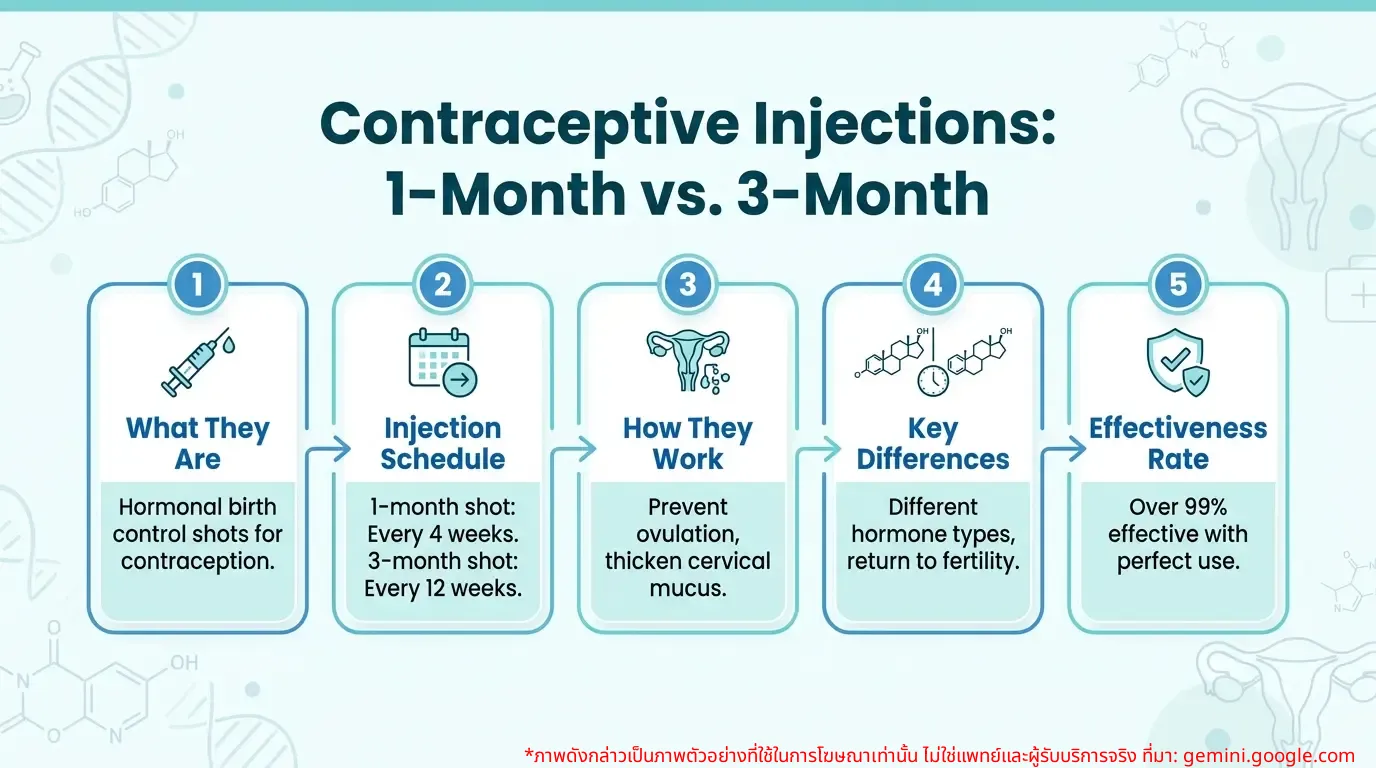
Comparing the differences between the two types of injectable birth control will help you get a clearer picture and decide which one is more suitable for you.
- Hormone Type:
- 1-Month Shot: Combined hormones (estrogen + progestin)
- 3-Month Shot: Progestin-only hormone (progestin)
- Injection Frequency:
- 1-Month Shot: Injected every 28-30 days (once a month)
- 3-Month Shot: Injected every 3 months
- Common Side Effects:
- 1-Month Shot: Regular periods, may have spotting initially, nausea, headache, breast tenderness.
- 3-Month Shot: Periods may stop or have spotting, weight gain, mood swings, long-term effects on bone mineral density.
- Time to Return to Fertility After Discontinuation:
- 1-Month Shot: Relatively quick (within 1-3 months)
- 3-Month Shot: Slower (may take 6-12 months or longer)
- Suitability for Lifestyle:
- 1-Month Shot: Suitable for those who want to maintain regular periods and have no contraindications to estrogen use.
- 3-Month Shot: Suitable for those who desire convenience, do not want to worry about frequent contraception, or are breastfeeding.
5. Which Birth Control Shot to Choose? Factors to Consider
The decision to choose a type of injectable birth control should consider several personal factors to ensure the safest and most suitable method for you.
- Underlying Health and Pre-existing Conditions: Individuals with pre-existing conditions such as diabetes, high blood pressure, severe migraines, or a history of blood clots should consult a doctor thoroughly, as some hormones may affect these conditions.
- Concerns about Side Effects: If you are concerned about potential weight gain or irregular/absent periods, you should inform your doctor to consider suitable alternatives.
- Lifestyle and Convenience: If you have a busy life and may find it inconvenient to get an injection every month, the 3-month birth control shot might be a better option. However, if you prefer regular periods, the 1-month shot would be more suitable.
- Short-term or Long-term Contraception Needs: If you plan to conceive in the near future, the 1-month birth control shot might be more suitable, as fertility returns faster. In contrast, the 3-month shot is better for long-term contraception.
- Future Family Planning: Consider when you plan to have children. If you wish to conceive within 1 year, discontinuing the 3-month birth control shot may require a longer recovery period for fertility.
The most important thing is to consult a doctor or specialist medical professional. A doctor can assess your health, provide accurate information, and help recommend the safest and most suitable option for you.
Choosing a birth control method is a personal decision with no single right or wrong answer for everyone. Understanding the information and openly discussing it with a specialist will help you feel confident in your decision and achieve the most effective and comfortable contraception.
6. What are the Common Side Effects of Birth Control Shots?
Both the 1-month and 3-month birth control shots, despite their high effectiveness, may have some side effects that users should be aware of. Most of these are not severe and will improve as the body adjusts.
- Changes in Menstrual Cycle:
- 1-Month Shot: May experience spotting during the first 2-3 months, but generally, periods tend to be regular.
- 3-Month Shot: May experience spotting, irregular periods, or no periods at all, which is normal.
- Weight Changes: Some users may experience weight gain or loss.
- Headaches: Some individuals may experience headaches or worsening migraines.
- Mood Swings: May feel irritable, anxious, or experience symptoms similar to depression.
- Other Symptoms: Such as breast tenderness, increased acne, hair loss, or allergic reactions at the injection site.
Initial Management: For mild symptoms, you can take care of yourself initially by getting enough rest, drinking plenty of water, and taking pain relievers (if experiencing pain). However, if these symptoms do not improve or worsen, such as severe headaches, blurred vision, chest pain, or difficulty breathing, you should consult a doctor immediately, as these could be signs of dangerous side effects.
Your doctor can assess your symptoms and provide advice on managing or adjusting your birth control method to be more suitable. Regularly communicating any symptoms to your doctor is crucial to ensure the safety and effectiveness of your contraception.
7. How to Prepare Before a Birth Control Shot and How to Care for Yourself After?
To ensure a smooth and safe birth control injection, preparation before and self-care after the injection are important.
Preparation Before a Birth Control Shot:
- Inform Your Health History: The most important thing is to provide a detailed health history to your doctor, including pre-existing conditions (such as diabetes, high blood pressure, migraines), drug allergies, current medications, past pregnancies, and other birth control methods used.
- Ask Questions: Prepare any questions you have about the birth control shot, its side effects, or precautions to ask your doctor for a thorough understanding.
- Avoid Blood Donation: Some clinics may advise against donating blood before a birth control shot to ensure there is no anemia.
- Appointment Day: You should come on the appointment day set by your doctor. Typically, the injection is given during the first 1-5 days of your menstrual cycle, or as advised by your doctor.
Self-Care After a Birth Control Shot:
- Apply Pressure to Injection Site: After the injection, the nurse will use cotton to press on the injection site. You should gently press with your hand for about 1-2 minutes to prevent bleeding or bruising.
- Observe for Abnormal Symptoms: Watch for any unusual symptoms that may occur, such as pain, swelling, or redness at the injection site, fever, or other severe side effects. If you experience any of these, you should consult a doctor immediately.
- Record Next Injection Date: It is crucial to accurately record your next injection appointment date to ensure continuous contraceptive effectiveness.
- No Need for Other Contraceptive Methods: If the birth control shot is administered correctly according to the doctor’s recommended time and conditions, generally, there is no need to use other contraceptive methods concurrently.
- Return for Scheduled Appointments: Attending scheduled appointments with your doctor is important for them to assess the effectiveness of contraception and any potential side effects.

Choosing an injectable birth control is a personal decision that requires careful consideration based on accurate information and expert advice. Whether you choose the 1-month or 3-month birth control shot, it is crucial to understand its mechanism of action, pros, cons, and potential side effects, and to strictly follow your doctor’s recommendations to ensure the most effective and safest contraception for your health. If you have any questions or need further advice, you can contact the clinic or schedule an appointment to consult with a specialist doctor.
Related Articles
- 1-Month vs. 3-Month Birth Control Shot: Which is Better?
- Get to Know Injectable Birth Control: 1-Month vs. 3-Month – Which is Best for You?
- 1-Month and 3-Month Birth Control Shots: Differences and Prices
- What are the Pros and Cons of Birth Control Injections?
- Good to Know Before Your Birth Control Shot | 1-Month and 3-Month Injectable Birth Control