

 TH
TH
Blood tests play an important role in the diagnostic process, along with history taking and physical examination. Complete blood count (CBC) is one of the basic lab tests essential for diagnosis and is part of annual health checkups.
“Abnormal blood test results can be an important indicator of potential health issues, prompting a doctor’s consultation for further investigation and potential treatment.”
Interesting facts about complete blood count
- What is a CBC test?

- What are included in a CBC test?
- Why is a CBC test necessary?

- What can a CBC test tell you?
- Blood collection process
- CBC reference ranges

- Abnormalities in a CBC
- Preparation for a CBC test
- Do I have to fast before a CBC test?
- How long does it take to get CBC test results?
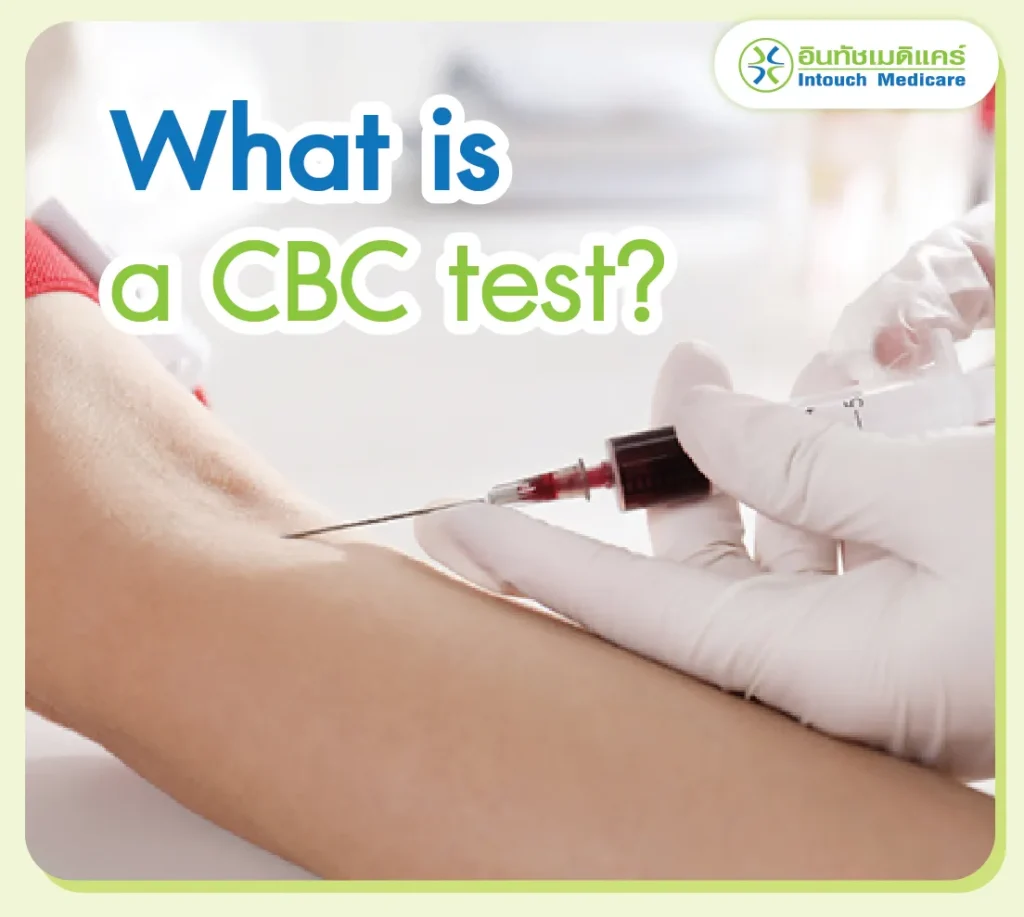
What is a CBC test?
Complete Blood Count (CBC) test is a comprehensive blood test that measures the quantity and characteristics of primary main types of blood cells: red blood cells, white blood cells, and platelets.
or for scheduling additional laboratory tests to identify the disease’s cause, diagnose, and monitor treatment.
What are included in a CBC test?
Complete Blood Count or CBC test is a comprehensive blood test that examines the main primary types of blood cells: red blood cells, white blood cells, and platelets. The details are as follows:
Red Blood Cells

The CBC reports four different red blood cell measurements:
-
Hemoglobin count is a measurement of the amount of a protein in red blood cells called hemoglobin
-
Hematocrit count is a measurement of the volume of red blood cells in the blood.
-
Red blood cell (RBC) count is a measurement of the number of red blood cells present in a specific volume of blood.
-
Red blood cell indices measure the size and quantity of hemoglobin in red blood cells, including:
-
Mean corpuscular volume is a measure of the average volume or size of red blood cells.
-
Mean corpuscular hemoglobin measures the average amount of hemoglobin per red blood cell.
-
Mean corpuscular hemoglobin concentration is a measure of the concentration of hemoglobin

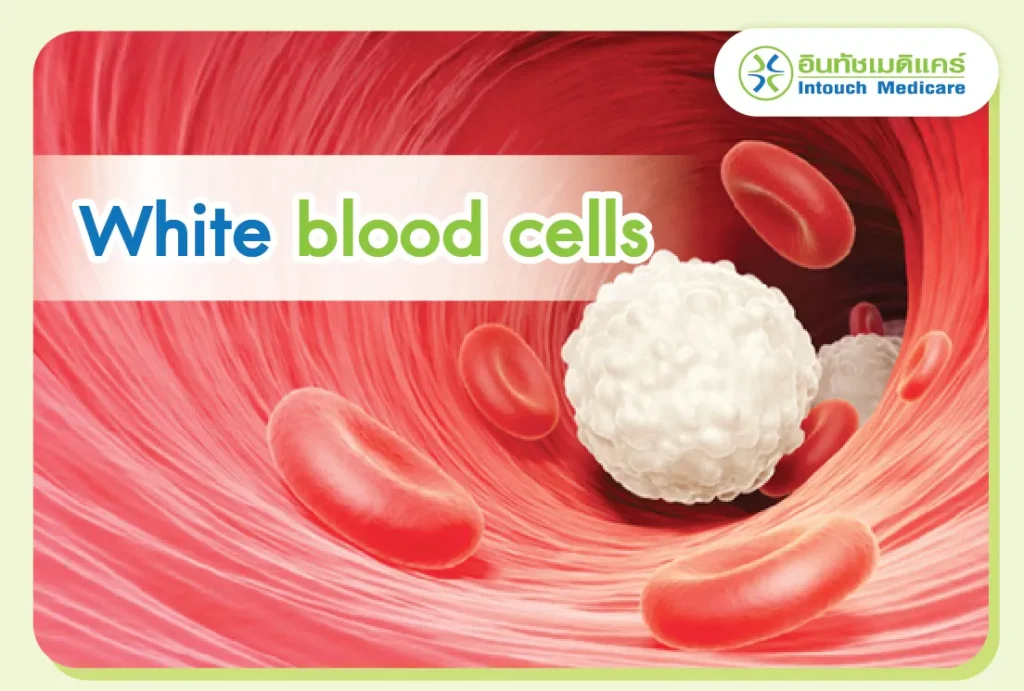
White Blood Cells
White blood cells fluctuate in number in response to infection or inflammation. They play a crucial role in the body’s defense system through their ability to combat and eradicate pathogens and foreign substances that enter the body.
- Neutrophil
Neutrophils are the most abundant white blood cells in the circulation. They are the body’s first responders to acute inflammation and infection, especially bacterial infections. Neutrophils rapidly multiply and directly engulf pathogens during this response.
- Lymphocyte
Lymphocytes are small white blood cells that produce antibodies to fight off both viruses and bacteria. High levels of lymphocytes can indicate a viral infection or certain types of leukemia
- Monocyte
Monocytes are the largest white blood cells crucial for the body’s defense against pathogens. They are more efficient at engulfing pathogens compared to neutrophils. An increased number of monocytes can indicate viral infections, tuberculosis, or fungal infections, as well as certain types of leukemia.
- Eosinophil
Eosinophils are white blood cells that play a role in the body’s immune response, particularly against foreign substances. They are typically present in small numbers in the bloodstream. An elevated eosinophil count can indicate certain conditions, including allergies, asthma, drug allergies, and parasitic infections.
- Basophil
Basophils are white blood cells that are present in very small numbers in the bloodstream. They release substances that prevent excessive blood clotting and also contain a vasodilator which promotes blood flow.
- Platelet
Platelets are responsible for preventing and stopping bleeding from a wound.
Why is a CBC test necessary?

Complete Blood Count (CBC) test reveals valuable information about your physical health status and risk of disease, making it a useful tool for both prevention and treatment of diseases.
It is a valuable tool for detecting abnormalities and facilitating the diagnosis, prevention and management of various diseases in a timely manner.
What can a CBC test tell you?
Complete blood count (CBC) test is a blood test used to identify a wide range of health problems, including
- To confirm an infection in a suspected case
- To identify an inflammation and to observe and follow up on the treatment results, especially anemia, leukemia, blood clotting problems when there is a wound or other diseases that affect the number of blood cells.
Blood collection process

Blood samples are collected by drawing approximately 2.5–3 ml of blood from a vein in the crook of the arm. Blood samples are subsequently kept in tubes that contain the anticoagulant EDTA in order to prevent blood clotting to ensure correct interpretation.

CBC reference ranges
CBC Reference Value Table

What do abnormalities in a CBC indicate?
Abnormalities in a complete blood count (CBC) can indicate a range of conditions, as follows:
Low red blood cell count
Conditions causing significant blood loss, such as gastrointestinal bleeding, heavy menstruation, chronic renal failure, hemolytic anemia, leukemia, and various nutritional deficiencies (iron, vitamin B6, and vitamin B12 deficiencies).
High red blood cell count
Heart failure caused by pulmonary pathology, pulmonary fibrosis, congenital heart disease, etc.
Low white blood cell count
Hepatocellular and splenic disease, autoimmune disease, history of previous radiation therapy, etc.
High white blood cell count
Infectious diseases, especially bacterial infection, leukemia, etc.
Low hemoglobin
Anemia, chronic renal failure, severe blood loss, lead poisoning, etc.
High hemoglobin
Hypoxemia, congenital heart disease, pulmonary fibrosis, etc.

Low hematocrit count
Anemia, conditions causing significant blood loss, malnutrition, etc.
High hematocrit count
Conditions causing abnormal red blood cell production such as dengue fever, conditions causing low blood oxygen levels such as chronic smoking, congenital heart disease, high altitudes, etc.
Low platelet count
Low platelet count can be caused by autoimmune disorders, viral infections, enlarged spleen, bone marrow dysfunction or atrophy, or certain cancers etc.
A platelet count below 20,000 per microliter of blood can lead to spontaneous bleeding, especially in areas with mucous membranes like the gums and nose, or even in vital organs such as the digestive tract and brain, even without prior injury or trauma.
High platelet count
High platelet count is associated with acute blood loss or hemolysis, conditions stimulating platelet production, such as chronic inflammation or infection, etc.

Preparation for a CBC test
Those who want to get a health checkup should prepare the following health information that needs to be given to the physician:
-
History of chronic diseases
-
History of regular medication
-
History of previous treatment or radiation therapy
-
History of food and nutrition
-
History of chronic blood loss, such as heavy menstrual bleeding, history of bloody or black stools, vomiting blood, etc.
Do I have to fast before a CBC test?
Complete blood count test generally does not require fasting. You can eat and drink normally before a CBC test.
How long does it take to get CBC test results?
CBC test results typically become available within 1-2 business days.
For more info and make appointment

Supitcha Buengjan ,M.D.
General Practitioner
 Latest edit : 23/06/2025
 Images may be used without prior permission exclusively for educational or informational purposes, as long as proper credit is given to intouchmedicare.com