

 TH
TH MM
MM
Women’s health is a crucial matter that requires special attention. Finding a trustworthy gynecology clinic nearby is essential for women to receive convenient and timely care, health check-ups, or consultations for various issues. This includes pelvic exams for disease screening, identifying the cause of abnormal vaginal discharge, vaginal itching, or antenatal care to ensure the health of both mother and baby.
This article will clarify common questions about women’s health services offered at gynecology clinics, provide guidance on choosing a clinic that meets your needs, and outline what you should know before receiving various services, empowering you to make informed decisions about your health.

1. How to Choose a Gynecology Clinic Near Me That Meets Your Needs?
Choosing the right gynecology clinic is crucial for receiving the best possible healthcare. Factors to consider include:
- Location and Accessibility: Choose a clinic that is easy to reach, close to home or work, for convenient doctor visits, especially for follow-up appointments.
- Doctor’s Reputation and Expertise: Research the specialist doctors at the clinic to understand their experience and specific areas of expertise, as well as ensuring they hold proper professional licenses.
- Comprehensive Services: A good clinic should offer a wide range of services, from general health check-ups and specialized disease screenings to pregnancy care and consultations for various issues.
- Patient Reviews: Read feedback and experiences from actual patients to evaluate service quality, cleanliness, atmosphere, and the friendliness of the staff.
- Modern Medical Equipment: Up-to-date equipment contributes to more accurate diagnoses and effective treatments.
- Friendly and Understanding Consultation: Doctors and staff should be empathetic, able to provide clear advice and answer questions, making patients feel comfortable.
2. What is a Pelvic Exam and How Should You Prepare?
A pelvic exam is an important health check-up for women to assess the health of female reproductive organs such as the vagina, cervix, uterus, ovaries, and fallopian tubes. The main purpose is to screen for and quickly detect potential abnormalities like infections, tumors, or cervical cancer.
Detailed Steps of a Pelvic Exam:
- Medical History: The doctor will inquire about your health history, menstrual history, sexual history, and any symptoms you may be experiencing.
- External Genital Examination: The doctor will examine the external genital area for signs of infection or abnormalities.
- Speculum Examination: The doctor will gently insert a sterilized speculum into the vagina to allow a clear view of the cervix.
- Cervical Cell Collection (Pap Smear): This is a crucial part of the pelvic exam for cervical cancer screening. The doctor will use a small brush to collect cells from the cervix for laboratory testing.
- Bimanual Examination: The doctor will insert one or two fingers into the vagina while simultaneously pressing on the lower abdomen with the other hand to feel the size, shape, and position of the uterus and ovaries.
Preparation Before the Exam:
- Avoid sexual intercourse, douching, using vaginal suppositories, or any vaginal products for at least 24-48 hours before the exam.
- Do not undergo a pelvic exam during your menstrual period, as it may affect the accuracy of the results.
- Inform your doctor in detail about your health information and any medications you are taking.
💡 Did you know? Regular cervical cancer screening using Pap Smear and HPV DNA Test can significantly reduce the risk of cervical cancer, as abnormalities can be detected and treated in their early stages.
The Importance of Cervical Cancer Screening
Cervical cancer is common among Thai women, but it is preventable and curable if detected in its early stages. This is why regular cervical cancer screening, as recommended by a doctor, is extremely important. Screening is not limited to Pap Smears; currently, HPV DNA testing is also available. This test detects the Human Papillomavirus (HPV), the primary cause of cervical cancer, with high accuracy, allowing for early detection of the virus before cervical cell changes occur. This provides ample time for treatment planning and prevention.
Regular screening also allows doctors to monitor changes in cervical cells. If pre-cancerous abnormalities are found, treatment can be administered to prevent progression to cancer in the future. Therefore, prioritizing pelvic exams and cervical cancer screening is a worthwhile investment in health for all women.

3. Abnormal Vaginal Discharge: How to Recognize It and When to Consult a Doctor?
Vaginal discharge is a fluid that comes from a woman’s vagina, a normal bodily mechanism for cleaning and lubricating the vagina. Normal discharge is usually clear or slightly cloudy, odorless, non-itchy, and its quantity changes with the menstrual cycle.
Signs of Abnormal Vaginal Discharge:
- Changes in Color: Yellow, green, gray, or blood-tinged discharge.
- Unusual Odor: Fishy, musty, or rotten fish-like smell.
- Changes in Consistency: Foamy, cottage cheese-like clumps, or an unusually large amount.
- Accompanying Symptoms: Itching, burning, redness and swelling in the vaginal area or external genitalia, pain during urination or sexual intercourse.
Common causes of abnormal vaginal discharge often result from infections, such as:
- Vaginal Yeast Infection: Often characterized by thick, white, cottage cheese-like discharge with severe itching and burning.
- Bacterial Vaginosis (BV): Grayish-white discharge with a fishy odor, especially after sexual intercourse.
- Sexually Transmitted Infections (STIs): Such as gonorrhea, chlamydia, or trichomoniasis, which may cause yellow or green, frothy, and foul-smelling discharge.
If you notice signs of abnormal vaginal discharge or experience accompanying itching and burning, you should consult a gynecologist for diagnosis and appropriate treatment. Leaving it untreated can lead to more severe infections or spread to other organs.
Accurate diagnosis is crucial, as the treatment for abnormal vaginal discharge varies depending on the cause. Therefore, consulting a doctor will help you receive appropriate medication and care. You should not self-medicate without a diagnosis, as it may not improve your symptoms or could make it harder to diagnose the true underlying cause.
4. What Causes Vaginal Itching? How to Manage It and What are the Treatments?
Vaginal itching is a common and bothersome problem for many women. The causes of itching can vary, including:
Main Causes of Vaginal Itching:
- Infections: Such as vaginal yeast infections (common), bacterial vaginosis, or certain sexually transmitted infections (STIs).
- Allergies or Irritation: May be caused by chemical sensitivities to various products like feminine washes, perfumes, laundry detergents, fabric softeners, sanitary pads, panty liners, or even certain lubricants and condoms.
- Vaginal Dryness: Often occurs in menopausal women or those with low estrogen levels, leading to thinning and lack of moisture in the vaginal lining, which can easily cause itching and irritation.
- Improper Hygiene: Insufficient cleaning or excessive cleaning that disrupts the pH balance in the vagina.
Basic Hygiene Practices to Relieve Symptoms:
- Clean Correctly: Use only clean water to wash the external genital area. Douching is not necessary.
- Avoid Irritating Products: Refrain from using soaps, feminine washes, or products containing fragrances.
- Wear Breathable Clothing: Choose cotton underwear that is not too tight to reduce moisture.
- Avoid Scratching: Scratching can increase irritation and lead to secondary infections.
- Change Sanitary Pads Frequently: During menstruation, to reduce dampness.
Medical Treatment:
If the itching does not improve after basic self-care or if symptoms worsen, you should see a doctor for diagnosis and appropriate treatment. The doctor may prescribe antifungal medication, antibiotics, or estrogen cream (in cases of vaginal dryness), depending on the cause of the itching.
5. Antenatal Care at a Gynecology Clinic: Its Importance and Steps
Early antenatal care is crucial for the health of both mother and baby throughout pregnancy. Registering for antenatal care at a gynecology clinic with specialist doctors ensures that both mother and child receive close and appropriate care.
Importance of Antenatal Care:
- Monitoring Maternal and Fetal Health: Doctors regularly monitor the growth and development of the baby in the womb, as well as the mother’s health to prevent and address potential health issues.
- Risk Screening: Screening for genetic disorders, infections, or various complications that may affect the pregnancy.
- Guidance and Preparation: Doctors provide advice on self-care during pregnancy, diet, exercise, preparation for childbirth, and newborn care.
General Steps for Antenatal Care:
- First Examination: The doctor will take a medical history, perform a physical examination, and conduct blood tests to screen for various conditions such as complete blood count, blood group, thalassemia, hepatitis B, syphilis, AIDS, and may perform an ultrasound to confirm pregnancy and determine gestational age.
- Regular Follow-up Examinations: The mother will need to attend scheduled appointments for weight checks, blood pressure monitoring, urine tests, uterine size assessment, fetal heart sound listening, and ultrasounds to monitor fetal development.
- Special Screenings: Such as screening for gestational diabetes and Down syndrome.
- Preparation for Childbirth: As the due date approaches, the doctor will provide advice on preparing for labor, choosing delivery methods, and recognizing signs of labor.
6. What Other Women’s Health Services Do Gynecology Clinics Offer?
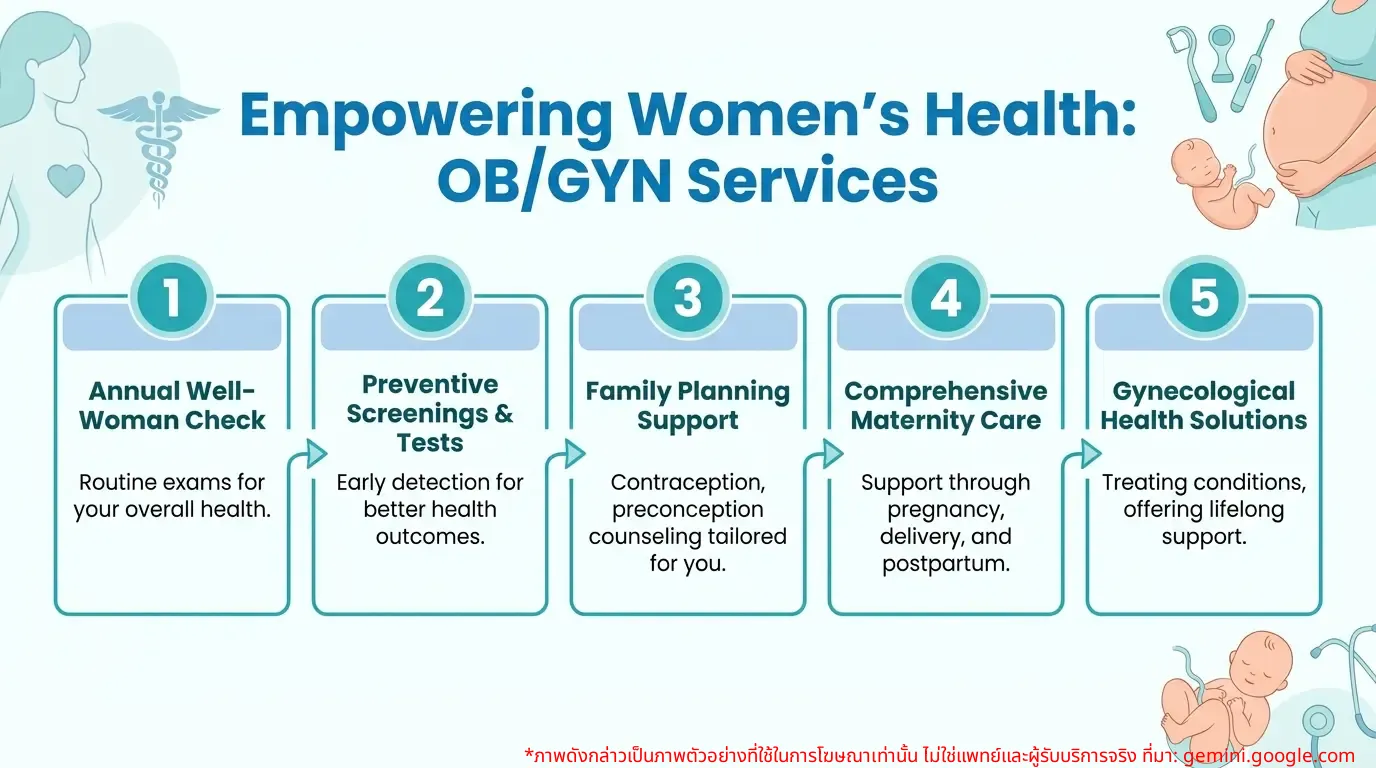
Beyond pelvic exams, abnormal discharge, vaginal itching, and antenatal care, most gynecology clinics offer a wide range of comprehensive women’s health services to meet the diverse needs of women at different life stages:
- Family Planning and Contraception: Provides consultation and services for various birth control methods, such as oral contraceptives, contraceptive injections, IUD insertion, contraceptive implants, and family planning.
- Sexually Transmitted Infection (STI) Screening: Offers testing and treatment for various STIs like gonorrhea, syphilis, and herpes, ensuring good health and safety.
- Consultation for Menopausal Women’s Health Issues: Provides advice on managing menopausal symptoms such as hot flashes, vaginal dryness, and mood swings, including hormone replacement therapy (if appropriate).
- Cervical Cancer Prevention Vaccine (HPV Vaccine): Offers vaccination to prevent HPV infection, the primary cause of cervical cancer. Suitable for women of all ages before exposure to the virus.
- Initial Infertility Screening and Treatment: Provides consultation and initial diagnosis for infertility causes, and suggests appropriate treatment approaches.
- Minor Gynecological Surgeries: Such as cervical polyp removal and biopsy.

Women’s health care requires continuous attention and importance. Choosing a suitable gynecology clinic that is conveniently located, staffed by expert doctors, and offers comprehensive services will ensure women receive accurate and timely care. Whether it’s cervical cancer screening, managing abnormal discharge or vaginal itching, or antenatal care for the baby, a good clinic will make you feel confident and comfortable discussing health concerns.
Do not ignore unusual bodily signs, and undergo regular annual health check-ups for long-term well-being. If you have questions or wish to receive services, you can contact the clinic through their channels to get close consultation and care from specialists.
Related Articles
- 5 Common Gynecological Diseases and When to See a Doctor
- Is Smelly Vaginal Discharge Abnormal? Causes, Symptoms, and Solutions Every Woman Should Know
- Does a Pelvic Exam Hurt? What Does the Doctor Ask? Popular Questions!
- What Symptoms Indicate You Should Get a Pelvic Exam? Check Here!