

 TH
TH
“Shingles is not just a simple rash, but a painful condition that may stay with you for a long time.” Many people may think that shingles is just a rash that will go away on its own. However, in reality, it can cause severe nerve pain.
Getting the Herpes Zoster Vaccine is therefore very important. It not only helps reduce the chance of developing shingles, but also helps reduce the severity of symptoms and prevent possible complications that may follow.
Important Information You Should Know
- What is the Herpes Zoster Vaccine?
- Why should you get the Herpes Zoster Vaccine?
- Herpes Zoster Vaccine price

- Who should receive the Herpes Zoster Vaccine?
- Who should not receive the Herpes Zoster Vaccine?
- How many doses of the Herpes Zoster Vaccine are required?
- Side effects after vaccination
- What to do after vaccination
- Frequently asked question
What Is the Herpes Zoster Vaccine?
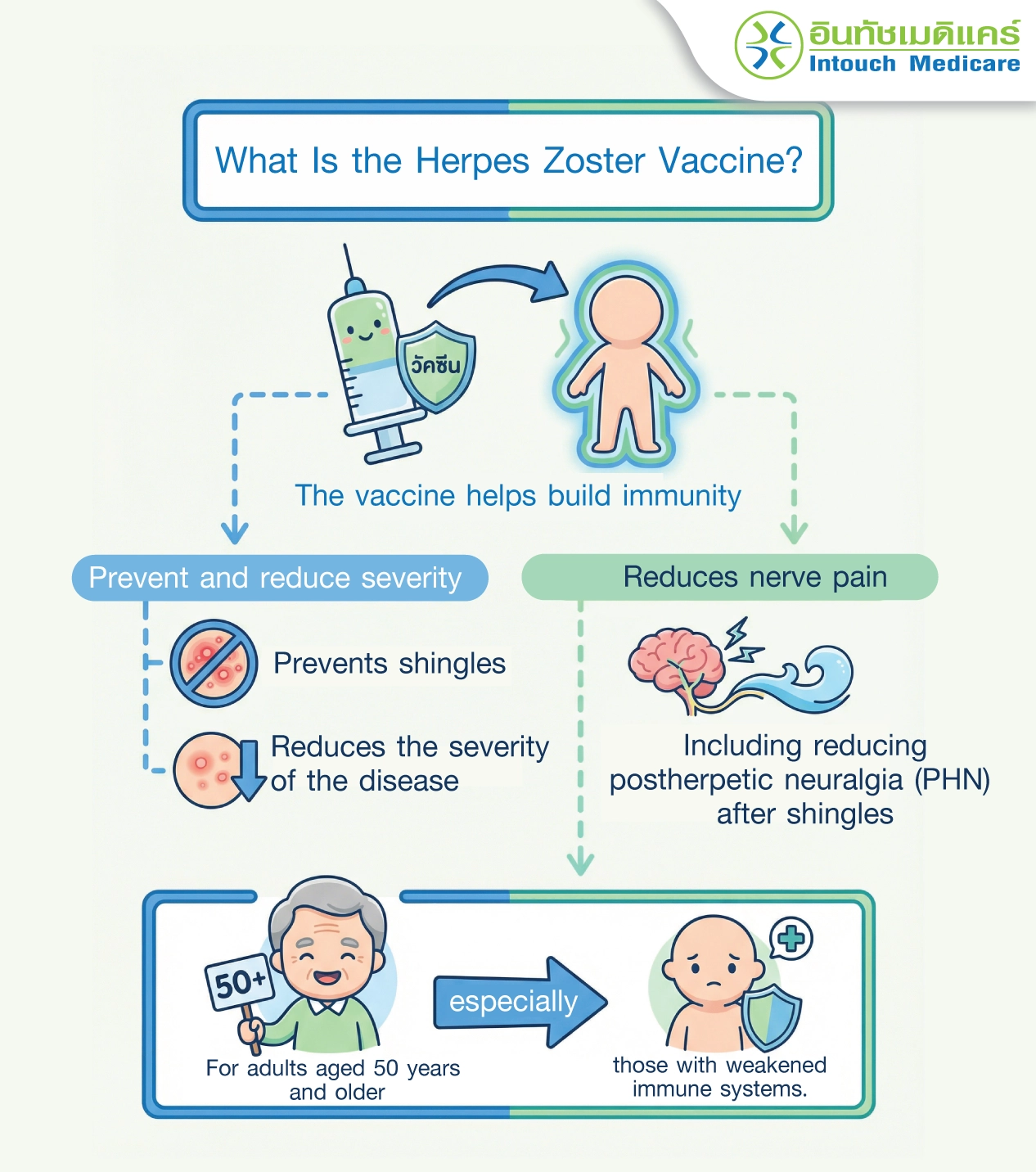
The Herpes Zoster Vaccine is a vaccine that helps build immunity to prevent shingles and reduce the severity of the disease. It also helps reduce chronic nerve pain after shingles (Postherpetic Neuralgia: PHN), especially in adults aged 50 years and older or those with weakened immune systems. There are 2 types of Herpes Zoster Vaccine:
- Live attenuated zoster vaccine (ZVL)
- Recombinant zoster vaccine (RZV)
Why Should You Get the Herpes Zoster Vaccine?
Shingles is caused by the same virus that causes chickenpox. After the virus remains dormant in the nerves and becomes active again, it can cause shingles. It is commonly found in older adults (over 50 years old) or people with weakened immune systems, and may lead to serious complications. The chronic nerve pain caused by shingles can significantly affect quality of life.
The vaccine is therefore important to reduce the risk of developing shingles and help prevent postherpetic neuralgia (PHN), a painful condition that can be severe, long-lasting, and difficult to treat, especially in older adults. It also helps reduce healthcare costs associated with complications.
Herpes Zoster Vaccine Price
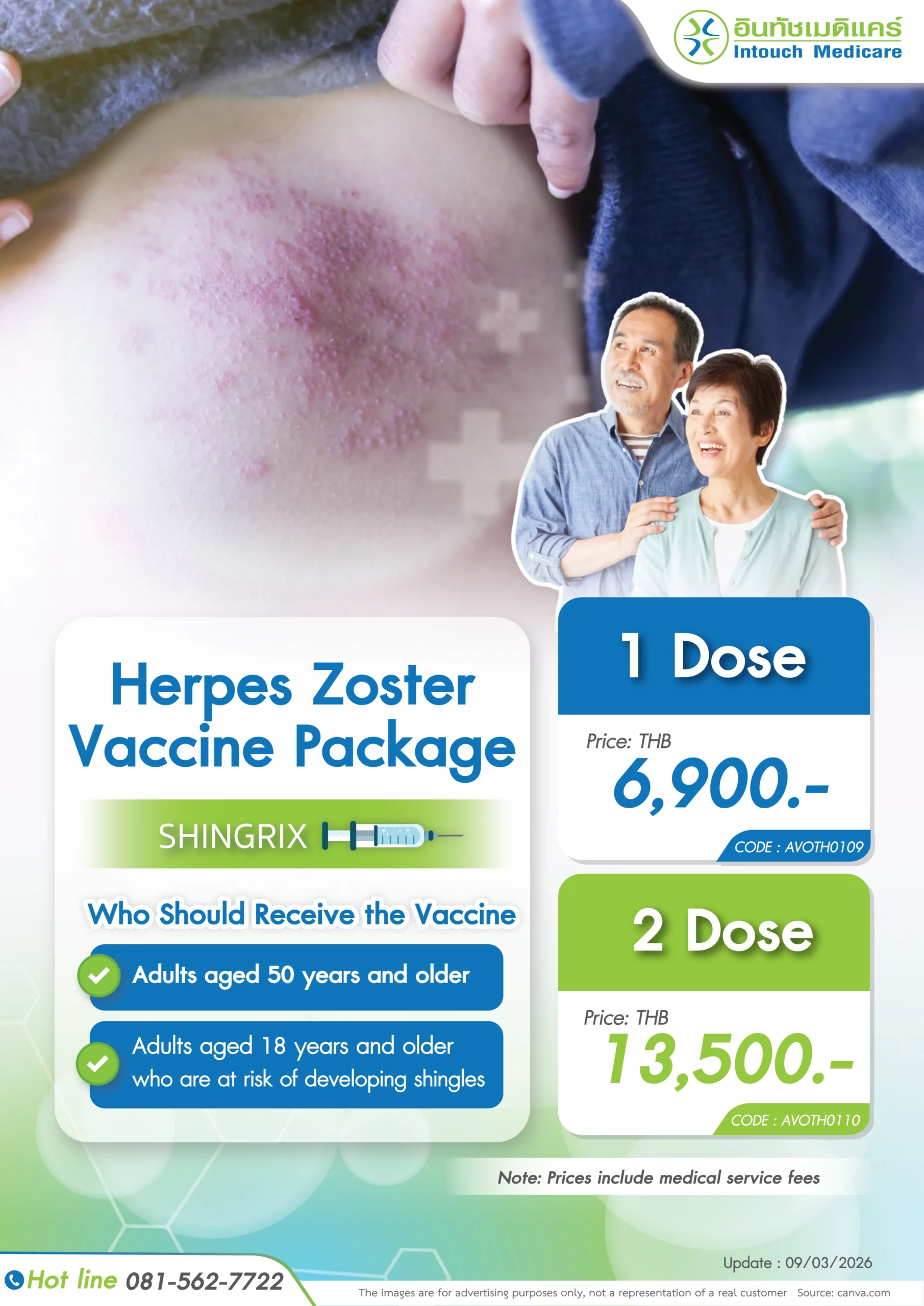
- 1-dose package: THB 6,900
- 2-dose package: THB 13,500
- Prices include medical service fees.
Who Should Receive the Herpes Zoster Vaccine?
- Adults aged 50 years and older
- Adults under 50 years old with weakened immune systems due to immunosuppressive medications, chemotherapy, steroid medications, including patients with AIDS, organ transplant recipients, and hematopoietic stem cell transplant recipients
- Adults under 50 years old with underlying conditions such as diabetes, chronic kidney disease, heart disease, or lung disease
- People who have previously had shingles can receive the vaccine after recovery, with an interval of at least 6 months
- People who have previously received the live zoster vaccine can receive the non-live (recombinant) zoster vaccine by receiving 2 doses, with an interval of at least 2 months after the live vaccine
Who Should Not Receive the Herpes Zoster Vaccine?
- People who have had a severe allergic reaction to the herpes zoster vaccine or any of its components (such as gluten or gelatin)
- People who developed a severe allergic reaction (such as anaphylaxis) after the first dose should not receive the next dose
- People who are currently moderately to severely ill should postpone vaccination until they recover
- People with weakened immune systems should not receive the live vaccine due to the risk of disseminated infection. However, the non-live (recombinant) vaccine can be administered
- Pregnant or breastfeeding women: There is currently insufficient data available
- People with other serious illnesses, such as disseminated tuberculosis or advanced HIV infection (very low CD4 count), should avoid the live vaccine
- The herpes zoster vaccine is not recommended for preventing chickenpox, as they are caused by different infections. People who have never had VZV infection (such as children or young adults) should receive the chickenpox vaccine first.
How Many Doses of the Herpes Zoster Vaccine Are Required?
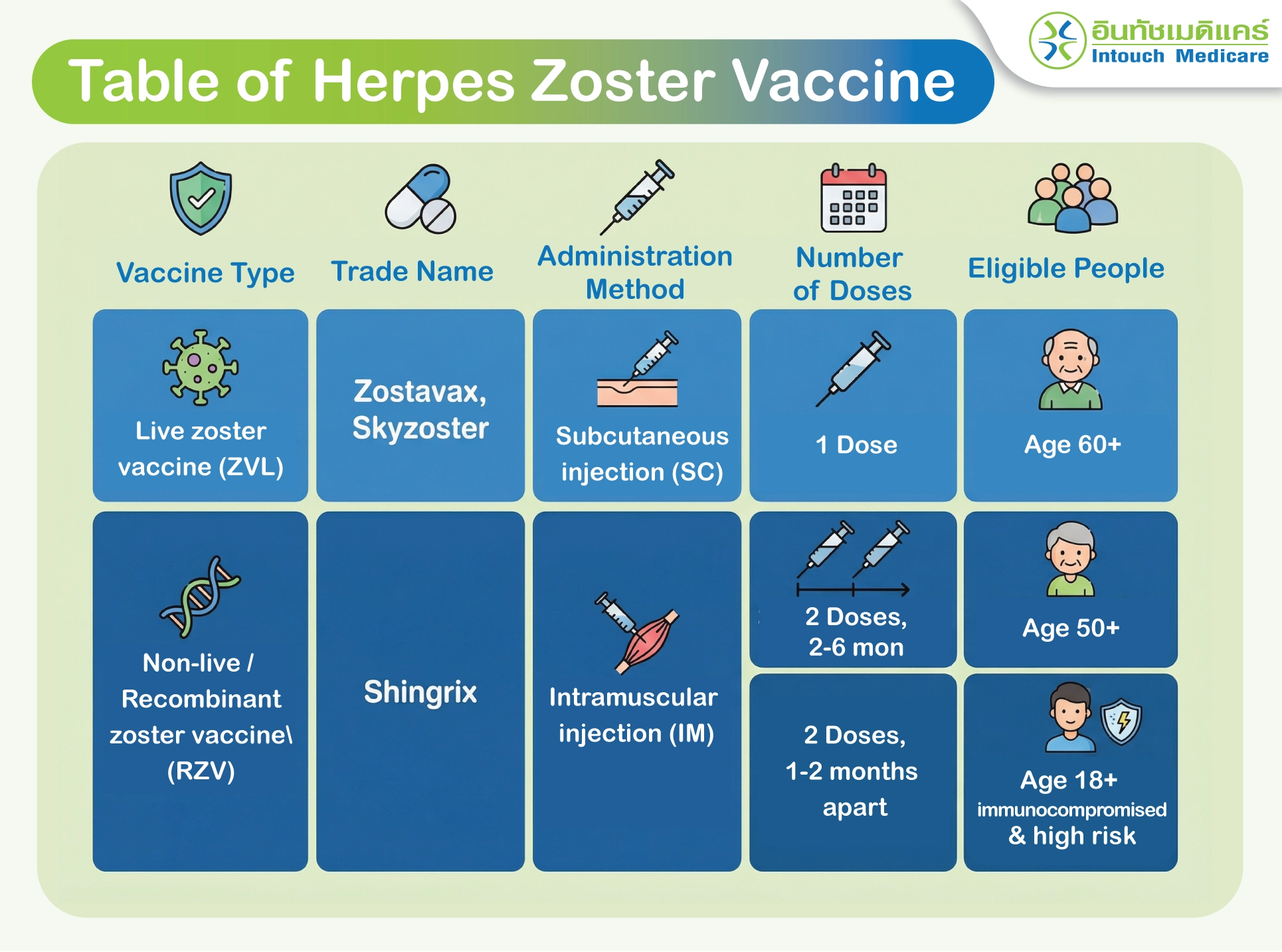
- Live zoster vaccine (Zoster vaccine live; ZVL):
1 dose, administered by subcutaneous injection. - Recombinant zoster vaccine (Recombinant zoster vaccine; RZV):
2 doses, administered by intramuscular injection. The second dose should be given 2–6 months after the first dose. (For immunocompromised patients, the interval may be shortened to 1–2 months.) If the interval exceeds 6 months, the second dose should be given as soon as possible without restarting the vaccination schedule. Currently, no additional booster dose is recommended after completing the 2-dose series.
Side Effects After Vaccination
Most side effects occur at the injection site and are usually mild to moderate, such as pain, swelling, and redness around the injection area. Some people may experience mild flu-like symptoms, including headache, fatigue, muscle aches, or a low-grade fever. These symptoms usually resolve within 1–3 days. If you develop a high fever or widespread hives, consult a doctor promptly.
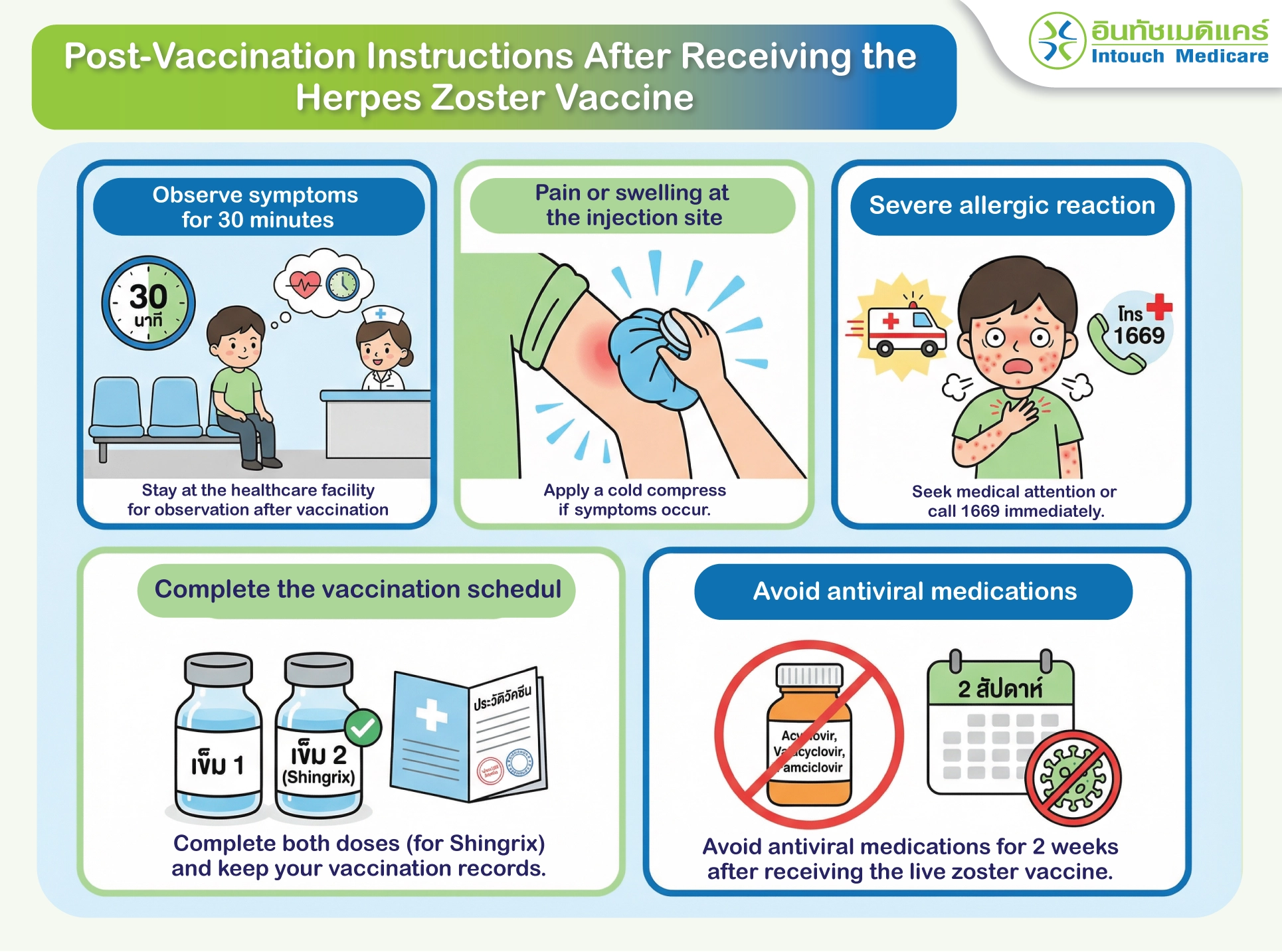
Post-Vaccination Instructions
- Stay for observation for 30 minutes after vaccination at the healthcare facility.
- If you experience pain or swelling in the vaccinated arm, apply a cold compress, gently exercise the arm, and take pain relievers (such as paracetamol or ibuprofen) if needed.
- If you experience a severe allergic reaction (facial swelling, hives, wheezing, chest tightness, or difficulty breathing), seek medical attention or call 1669 immediately.
- Complete the vaccination schedule as recommended (2 doses for Shingrix) and always keep your vaccination records.
- Avoid using antiviral medications (Acyclovir, Valacyclovir, Famciclovir) within 2 weeks after receiving the live zoster vaccine.
Doctor’s Advice Before Receiving the Vaccine
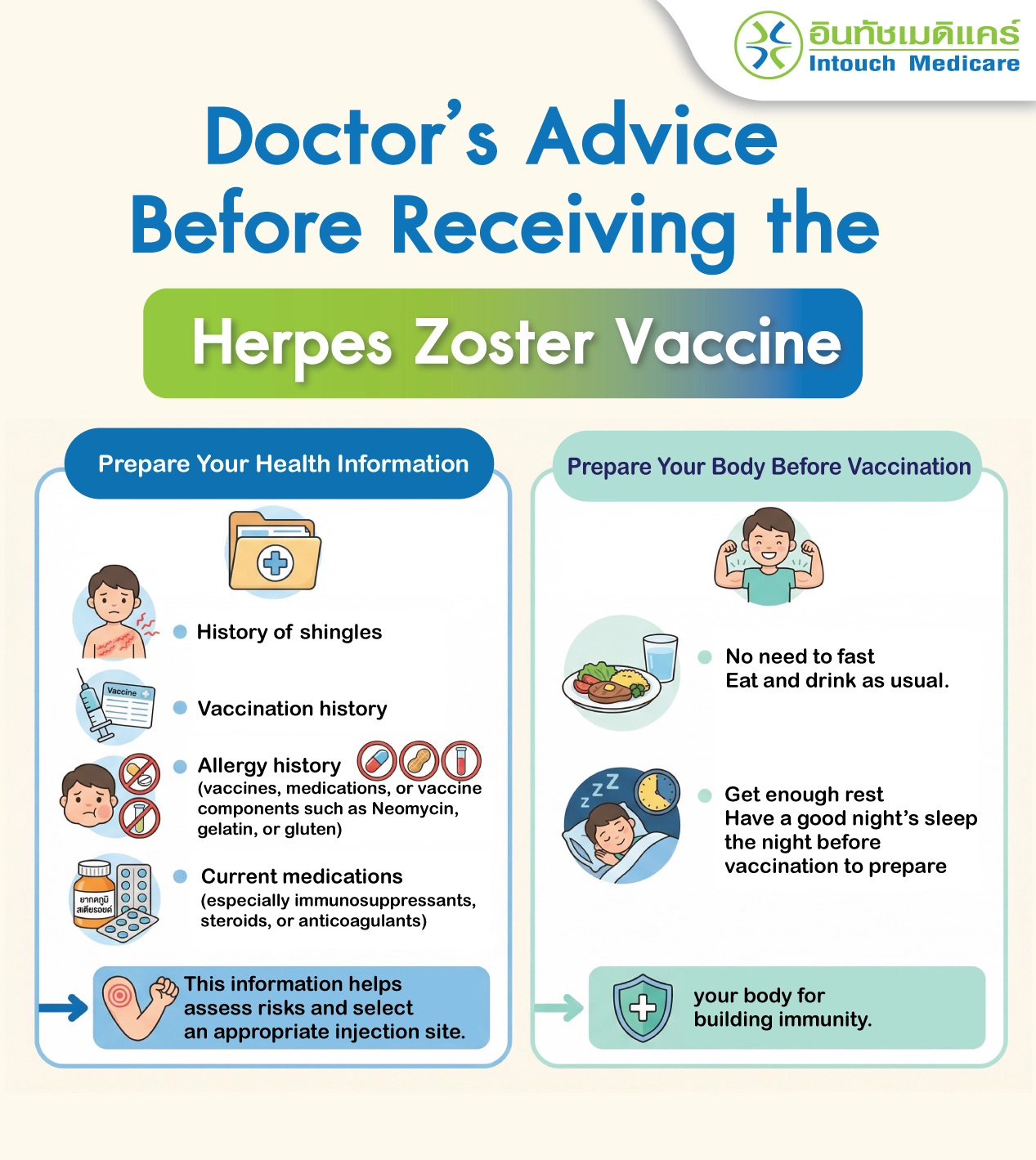
- Preparing Health Information:
Provide information about your history of shingles, previous vaccinations, allergies to vaccines, medications, or vaccine components such as Neomycin, gelatin, or gluten, and current medications, especially immunosuppressants, steroids, or anticoagulants. This information helps the doctor assess risks and determine the appropriate injection site. - Preparing Your Body Before the Appointment: There is no need to fast. You can eat and drink as usual. Get enough rest and a good night’s sleep before vaccination to prepare your body for building immunity.
Frequently Asked Questions (FAQ)
People who have never had chickenpox or received the chickenpox vaccine cannot develop shingles. However, if they have close contact with someone who has shingles, they may become infected and develop chickenpox instead. Even if you have had shingles before or maintain good health, the virus that remains dormant in the body can become active again when your immune system is weakened.
Vaccination is the most effective way to build protection, helping reduce the chance of recurrence and prevent future complications, especially postherpetic neuralgia (PHN).
For more info and make appointment

Sainati Prangnok, M.D.
General Practitioner
 Latest edit : 21/08/2026
 Images may be used without prior permission exclusively for educational or informational purposes, as long as proper credit is given to intouchmedicare.com