

 TH
TH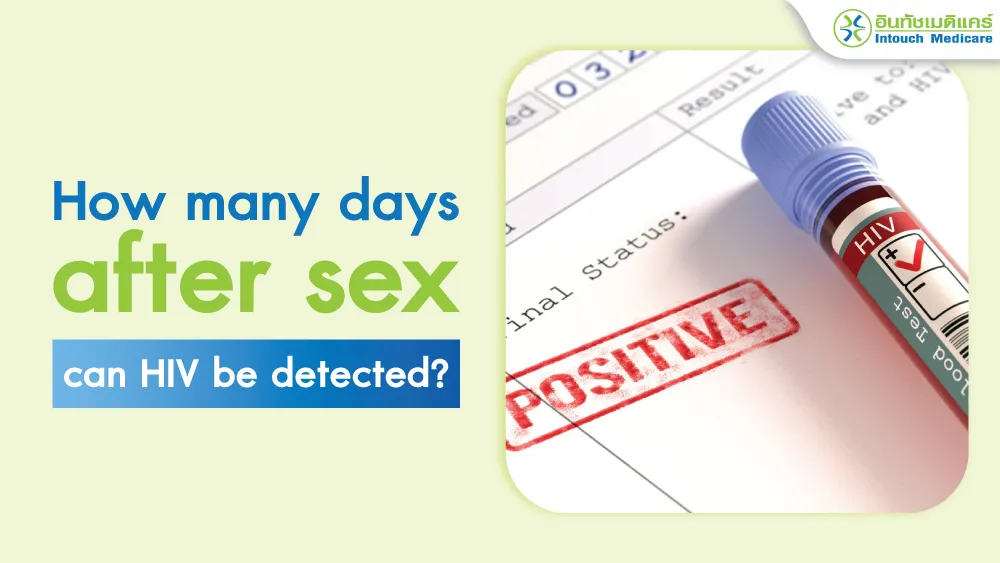
If we are at risk of HIV infection, knowing whether we have contracted HIV is crucial for early treatment and preventing the spread of the virus.
Interesting Information
- What is HIV?
- Symptoms of HIV infection
- How to know if you have HIV
- What to do after potential HIV exposure through sex
- How to test for HIV

- What to do if you are diagnosed with HIV
What is HIV?
HIV is a virus that weakens the immune system, making the infected person more vulnerable to other diseases because their body can no longer defend against them. HIV can lead to a life-threatening condition called AIDS.

Symptoms of HIV Infection
HIV symptoms are often unnoticed because they resemble common cold symptoms, such as headaches, fever, sore throat, and mouth sores. Some people may also develop rashes and swollen lymph nodes. In the early stages, as the virus enters the body and lowers the immune system, these symptoms may gradually subside as the body begins to control the virus.
How to Know if You Have HIV
The most accurate way to test for HIV is through a blood test, or by collecting oral fluid or saliva at certified HIV testing centers.
There are also self-testing kits available, but it’s essential to ensure that the product is reliable and certified.
What to Do After Potential HIV Exposure Through Sex
If there’s a risk of HIV from sexual activity, it’s recommended to get hiv tested as soon as possible, preferably within 14 days of exposure. However, results may not be conclusive right away if the virus is in low quantities. If the test result is negative, it’s advised to retest every 3 months for clearer and more accurate results. 

How to Test for HIV
When suspecting an HIV infection, several testing methods are available as follows:
- Blood test: This is the most common method. A healthcare provider draws blood from a vein in your arm, and the sample is sent to a laboratory for testing.
- Oral fluid test: This method uses a swab to collect fluid from inside your mouth. The sample is then sent to a lab for analysis.
- Rapid blood or fluid test: This is the quickest method, using a small amount of blood or oral fluid. Results are available in just 20 minutes. This test is often done at clinics or booths at events.
- At-home test: You can buy an HIV test kit from pharmacies or online. The kit collects either blood or oral fluid at home, which you then send to a lab for testing. Results take about 2-3 days.
If you are found to be infected with HIV, what should you do next?
If you test positive for HIV, the first thing you should do is immediately consult a doctor who specializes in HIV treatment. Healthcare providers can help you begin antiretroviral therapy (ART), which can suppress the virus and reduce the risk of transmitting it to others.
It’s also crucial to inform your sexual partner(s) so they can take preventive measures and get tested as well.
Other interesting articles
- HIV vs. AIDS: Differences and Risky Behaviors
- HIV Symptoms: 3 Stages from Early to Late
- PEP: Emergency HIV Medication and What to Know
For more info and make appointment

Intouchmedicareclinic
Medical Clinic
 Latest edit : 13/05/2025
 Images may be used without prior permission exclusively for educational or informational purposes, as long as proper credit is given to intouchmedicare.com