

 TH
TH MM
MM
Testing for sexually transmitted diseases (STDs) is crucial and should not be overlooked by anyone who is sexually active. It helps ensure your own health and prevents the spread of infection to others. This article provides comprehensive information on the types of diseases to test for, the testing process, nearby locations where you can get tested, and the waiting period for results, so you can prepare properly.
Whether you have suspicious symptoms or simply want to get screened for peace of mind, understanding this information will help you confidently decide to get tested in a way that suits your needs.
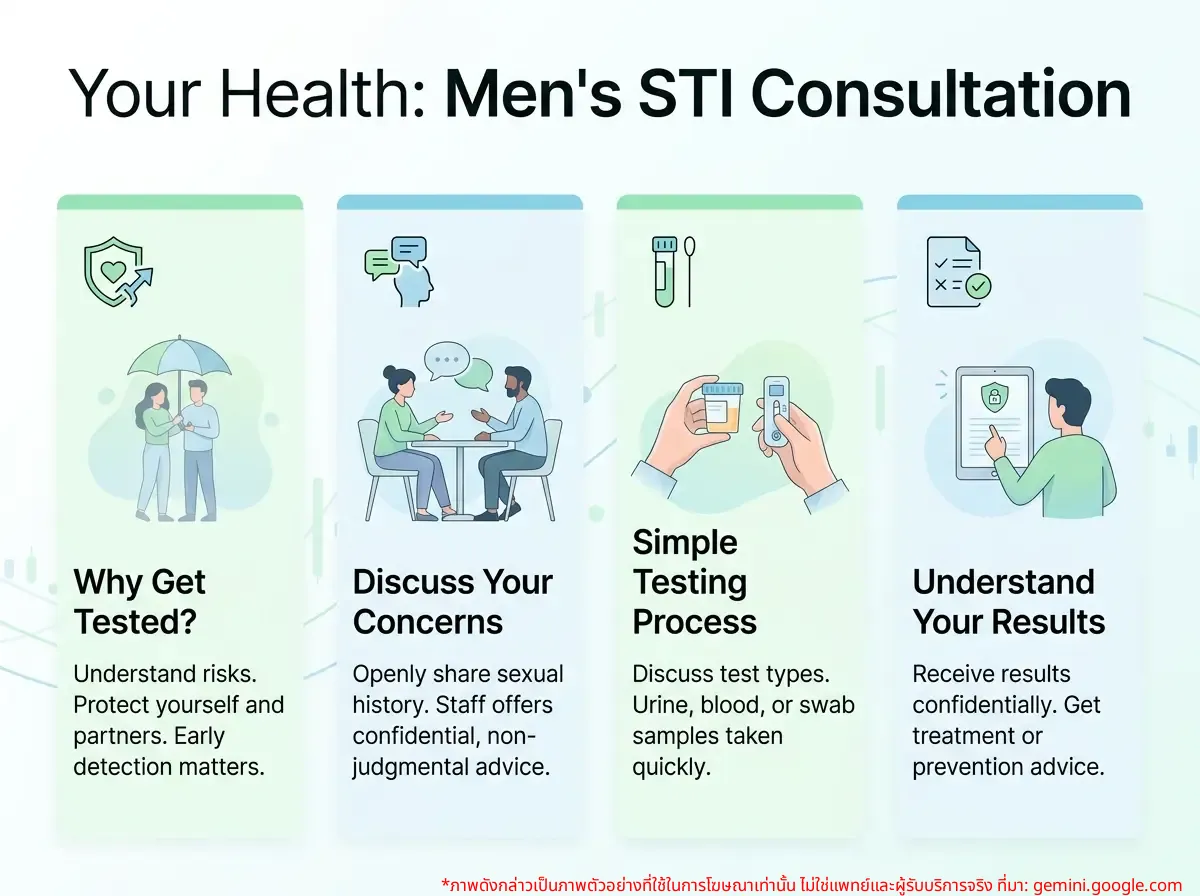
1. What are Sexually Transmitted Diseases (STDs) and why is testing important?
Sexually Transmitted Diseases (STDs) are a group of illnesses caused by bacterial, viral, fungal, or parasitic infections that can spread from one person to another through all forms of sexual contact, whether vaginal, anal, or oral.
Common sexually transmitted diseases include:
- HIV: A virus that attacks the body’s immune system.
- Syphilis: Caused by bacteria, leading to sores on the genitals or mouth, and if left untreated, can affect internal organs.
- Gonorrhea and Chlamydia: Caused by bacteria, leading to inflammation in the reproductive system. If left untreated, it can lead to infertility.
- Herpes: Caused by a virus, leading to blisters on the genitals or mouth. It can recur.
- Genital Warts (HPV): Caused by certain strains of the virus, some of which can lead to cervical cancer or anal cancer.
- Hepatitis B/C: Viral infections that damage the liver, which can be transmitted through sexual contact and blood.
STD screening is extremely important because many diseases may not show symptoms in the early stages, meaning infected individuals may not know they are infected and could unintentionally spread the infection to others. Early detection and treatment help prevent severe long-term health complications such as infertility, cancer, and damage to internal organs. It also helps stop the spread of infection in society.
2. What STDs should be tested for?
STD testing often depends on an individual’s sexual history and risk factors, but generally, the main diseases that should be tested for are:
-
HIV (Human Immunodeficiency Virus) Test
- Test types:
- Blood test: Detects HIV antibodies or antigens (Antigen/Antibody).
- Saliva test: Detects antibodies (for some test kits).
- Test types:
-
Syphilis Test
- Test types:
- Blood test: Detects antibodies to the bacteria (e.g., VDRL, RPR, TPPA, TPHA).
- Test types:
-
Gonorrhea and Chlamydia Test
- Test types:
- Urine test: Detects infection in urine (for gonorrhea and chlamydia).
- Swab test: Collects samples from the vagina, urethra, rectum, or throat for testing.
- Test types:
-
Herpes Simplex Virus (HSV) Test
- Test types:
- Swab from lesions: If there are lesions, samples are collected from them to test for the virus.
- Blood test: Detects HSV antibodies (may be used in asymptomatic cases).
- Test types:
-
Hepatitis B and C Test
- Test types:
- Blood test: Detects antigens (virus) or antibodies (immune response) to the virus.
- Test types:
-
HPV (Human Papillomavirus) Test
- Test types:
- Pap Smear (for women): Detects abnormal cells in the cervix.
- HPV DNA Test: Collects samples from the vagina or cervix to detect high-risk HPV strains.
- Test types:
💡 Did you know? Some sexually transmitted diseases, such as Chlamydia, can cause infertility in both men and women if not treated promptly. Especially in women, it can lead to chronic pelvic inflammatory disease!
3. Where can I get tested for STDs near me, and how should I prepare?
Once you understand the importance and types of tests, the next step is to find a suitable testing location and prepare before your appointment to ensure accurate and private results.
Reliable and accessible testing locations come in various forms:
- Government and private hospitals: These are the most comprehensive options, offering a wide range of services and often having specialist doctors, but sometimes waiting times can be longer.
- Anonymous clinics: These are specialized facilities for STD testing and counseling, especially for HIV, offering friendly and highly confidential services.
- Specialized clinics or community health centers: Some clinics offer dedicated STD testing services, which may provide more privacy and faster service than general hospitals.
Tips for finding a location near you:
- Use Google Maps to search for “STD clinic near me,” “sexual health hospital,” or “anonymous clinic.”
- Inquire with local public health agencies or organizations working in sexual health.
What to do before getting tested:
- Abstain from certain sexual activities: In some cases (especially for gonorrhea testing from swabs), doctors may recommend abstaining from vaginal or anal sex 24-48 hours before the test.
- Avoid vaginal douching: For women, avoid douching for at least 24-48 hours before the test to prevent inaccurate results.
- Prepare health history information: Gather information about your sexual history, any symptoms you’ve experienced (if any), and your history of treating various diseases to help the doctor assess your risk and choose appropriate tests.
- Inquire about fasting: Some tests may require fasting from food or water before the test, so you should inquire with the healthcare facility before your appointment.
- Maintain hygiene: Shower and clean your body as usual. There’s no need for excessive cleaning of specific areas.
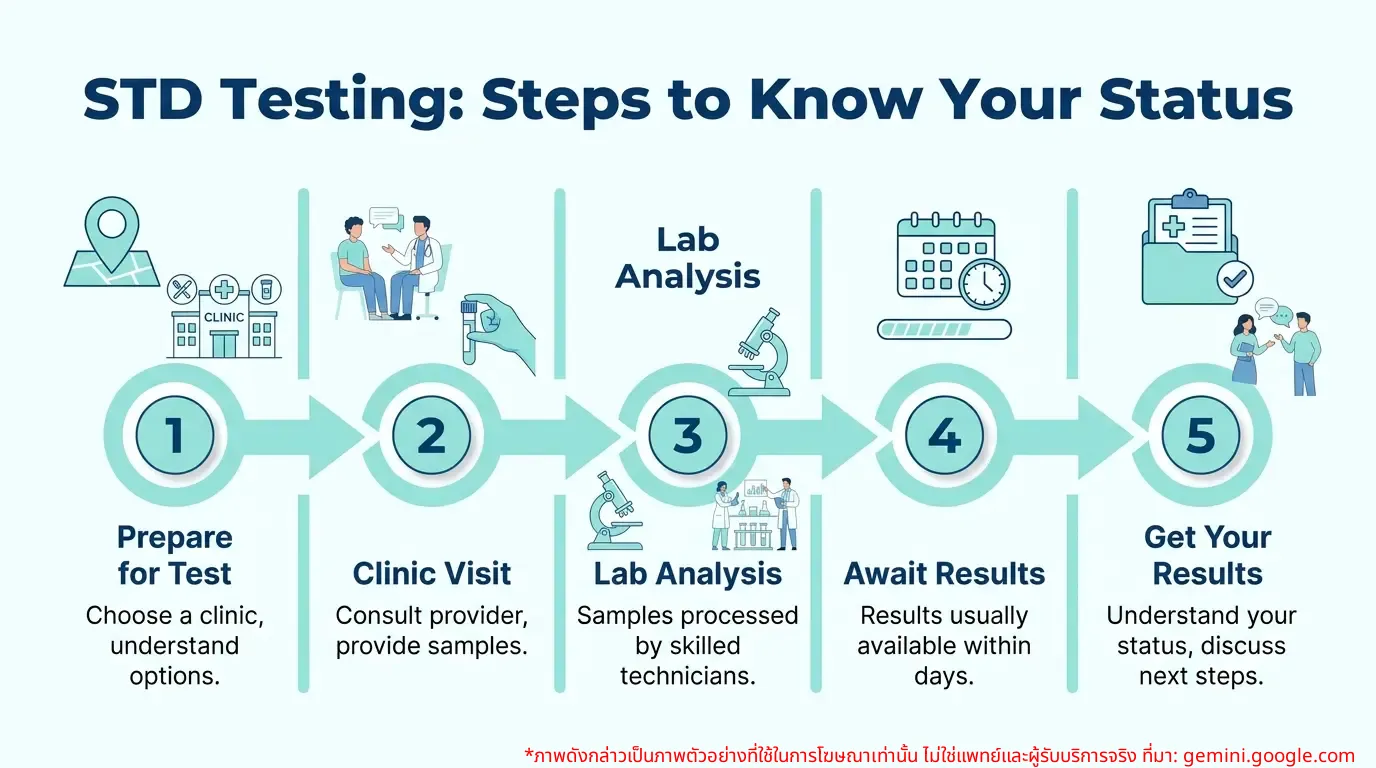

4. When will I get my STD test results? How long do I have to wait?
The waiting time for STD test results can vary depending on the type of test and the healthcare facility’s policy. Generally, it is as follows:
-
HIV Test
- Rapid Test: Preliminary results available within 15-30 minutes.
- Lab Test: Results available within 1-7 business days, depending on the testing method (e.g., Fourth Generation, NAAT).
-
Syphilis Test
- Rapid Test (some facilities): Preliminary results within 15-30 minutes.
- Lab Test (RPR/TPPA blood test): Results available within 1-3 business days.
-
Gonorrhea and Chlamydia Test
- PCR/NAAT test from urine or swab: Results typically available within 2-7 business days.
-
Herpes Test
- Test from lesion swab: Results available within 3-7 business days.
- Blood test for antibodies: Results typically available within 3-7 business days.
-
Hepatitis B and C Test
- Blood test: Results available within 1-5 business days.
-
HPV and Pap Smear Test
- Pap Smear: Results available within 1-2 weeks.
- HPV DNA Test: Results available within 1-2 weeks.
It is important to inquire about the waiting time for results directly from the staff at the testing facility to get the most accurate information and plan for receiving your results.
Patients should be aware that in some cases, additional confirmatory tests may be required, especially if initial results are ambiguous, to ensure the accuracy of the diagnosis.
5. What should I do if my test results are positive?
Receiving a positive test result can be concerning, but it’s crucial to stay calm and strictly follow your doctor’s advice to ensure appropriate treatment and prevent further transmission.
Guidelines for action when test results are positive:
-
Consult a doctor immediately
Your doctor will explain the diagnosed disease, treatment plan, potential side effects, and answer any questions you have. A detailed consultation will help you understand the situation and plan your treatment effectively.
-
Undergo treatment as advised by the doctor
Many STDs can be cured with antibiotics (e.g., syphilis, gonorrhea). For viral infections (e.g., HIV, herpes), treatment focuses on controlling symptoms and reducing the viral load in the body, which helps improve the patient’s quality of life and reduces the chance of transmission.
-
Inform sexual partners
It is extremely important to inform your sexual partners so they can also get tested and treated. This helps prevent reinfection and further spread of the disease.
-
Care for yourself and prevent further transmission
Follow your doctor’s advice on daily living, consistent and correct condom use, abstaining from sexual activity during treatment, or using medication to reduce the risk of transmission (e.g., in the case of HIV).
-
Attend follow-up appointments
Your doctor may schedule follow-up appointments to monitor treatment effectiveness and assess whether the infection has cleared, or to adjust the treatment plan for chronic conditions.
-
Take care of mental health
STD infection can affect mental well-being. Talking to close friends, family, or mental health professionals can help you cope with various emotions.
Taking responsibility for your own health and that of others is paramount. Prompt treatment will not only help you recover from the disease but also reduce its spread in society.
6. How can I prevent sexually transmitted diseases?
Preventing sexually transmitted diseases is the most important step in maintaining your sexual health and that of your partner. There are several effective ways to reduce the risk:
-
Consistent and correct condom use
Condoms are the most effective method for preventing the spread of most STDs when used correctly every time you have sex. Always use a new condom and check the expiration date.
-
Vaccination
Some vaccines can prevent STDs, such as the HPV vaccine (which helps prevent cervical cancer, anal cancer, and genital warts) and the Hepatitis B vaccine. Consult your doctor to assess the need for vaccination.
-
Safe sexual practices
Having a single, uninfected, and faithful partner is the safest method. However, if you have multiple partners or are at high risk, regular screening is recommended.
-
Regular screening
Even without any unusual symptoms, regular STD screening (e.g., every 6 months or annually), especially if you engage in risky behaviors, helps detect and treat diseases in their early stages.
-
Avoid sharing needles
Some pathogens, such as HIV and Hepatitis B/C, can spread through sharing needles or equipment that penetrates the body.
-
Education and awareness
Having knowledge and understanding about STDs, their transmission methods, symptoms, and prevention will help you make informed decisions and reduce the risk of infection.
Sexual health care is part of overall health care. Following these prevention guidelines will help you and your partner stay healthy and safe.

STD testing is essential for your and your partner’s good health. Whether it’s for general screening or when you have concerns, accessing accurate information and appropriate services will help you feel more confident and safe.
If you have concerns or need further consultation regarding STD testing, you can contact the clinic through its channels. We are ready to provide advice and services with the utmost care and privacy.
Related Articles
- What are sexually transmitted diseases? Read now!
- Sexually Transmitted Diseases
- How to get tested for STDs for men and women? What tests are needed?
- Why should your partner get tested and treated if you have an STD? Breaking the cycle of reinfection (Ping-Pong Infection)