

 TH
TH MM
MM
A stye is a common and often bothersome condition. While most styes may resolve on their own or improve with basic treatment, in some cases, a stye may not shrink, may grow larger, or cause severe pain, necessitating incision and drainage or surgical removal by an ophthalmologist to drain the pus and reduce inflammation.
This article will guide you through a detailed understanding of stye incision and drainage, covering everything from the reasons for the procedure, treatment steps, preparation, potential risks, to post-operative care. This will equip you with accurate knowledge and alleviate any concerns if you need to undergo this treatment.
1. What is a Stye and Why is Incision/Drainage Necessary?
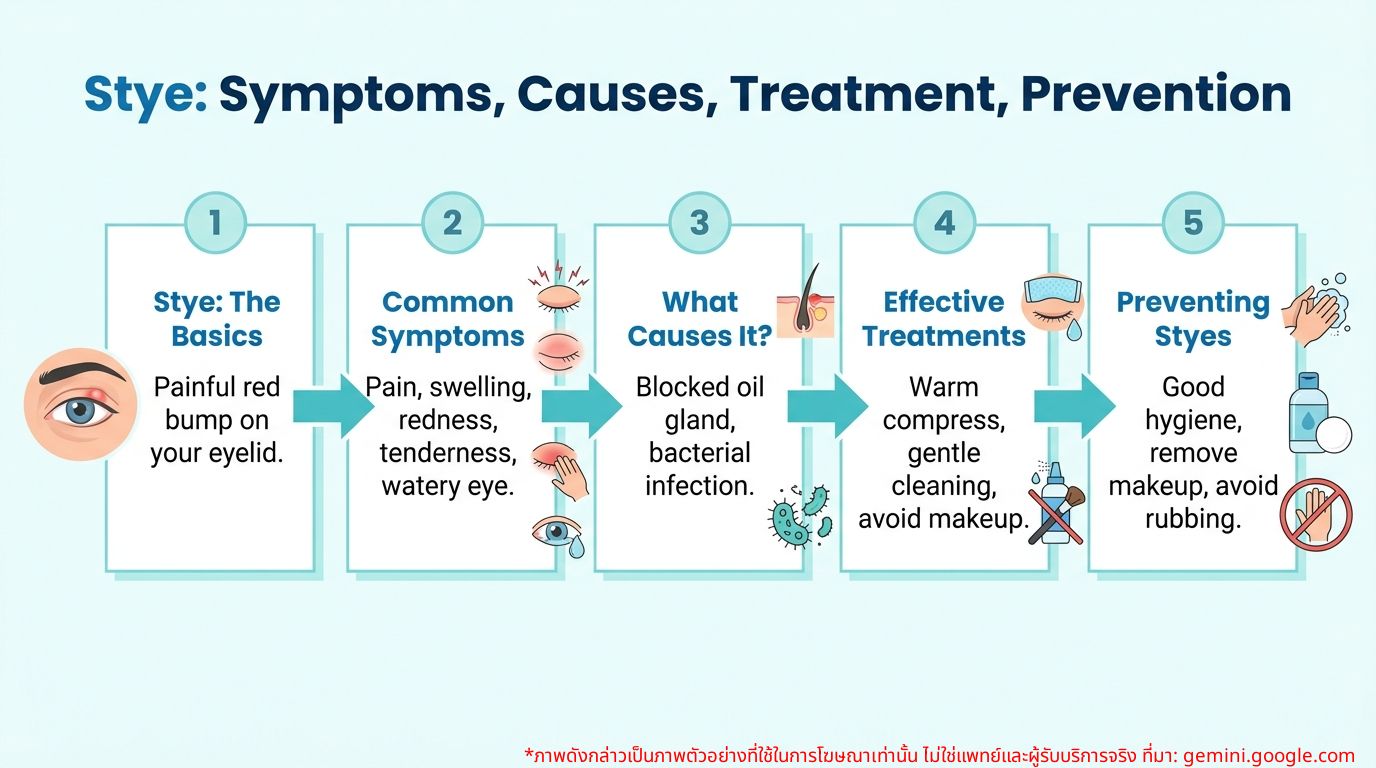
A stye (Stye or Hordeolum) is an acute bacterial infection and inflammation of the oil glands in the eyelid, whether it’s the glands at the base of the eyelashes (Zeis or Moll glands) or the oil glands inside the eyelid (Meibomian glands). This results in a red, tender, painful, swollen lump with pus accumulation, often resembling a pimple on the eyelid.
The primary cause is the blockage of the oil gland ducts, coupled with bacterial infection, especially Staphylococcus aureus. In some cases, small styes may resolve on their own or improve with warm compresses and antibiotic eye drops. However, if the stye grows larger, does not subside after initial treatment, causes severe pain, or begins to affect vision, a doctor may consider incision and drainage to remove the pus. This is an effective method to reduce inflammation, alleviate symptoms, and prevent complications such as spreading infection or the formation of a chronic scar (chalazion) which can deform the eyelid.
2. What is Stye Incision/Drainage and What are the Steps?
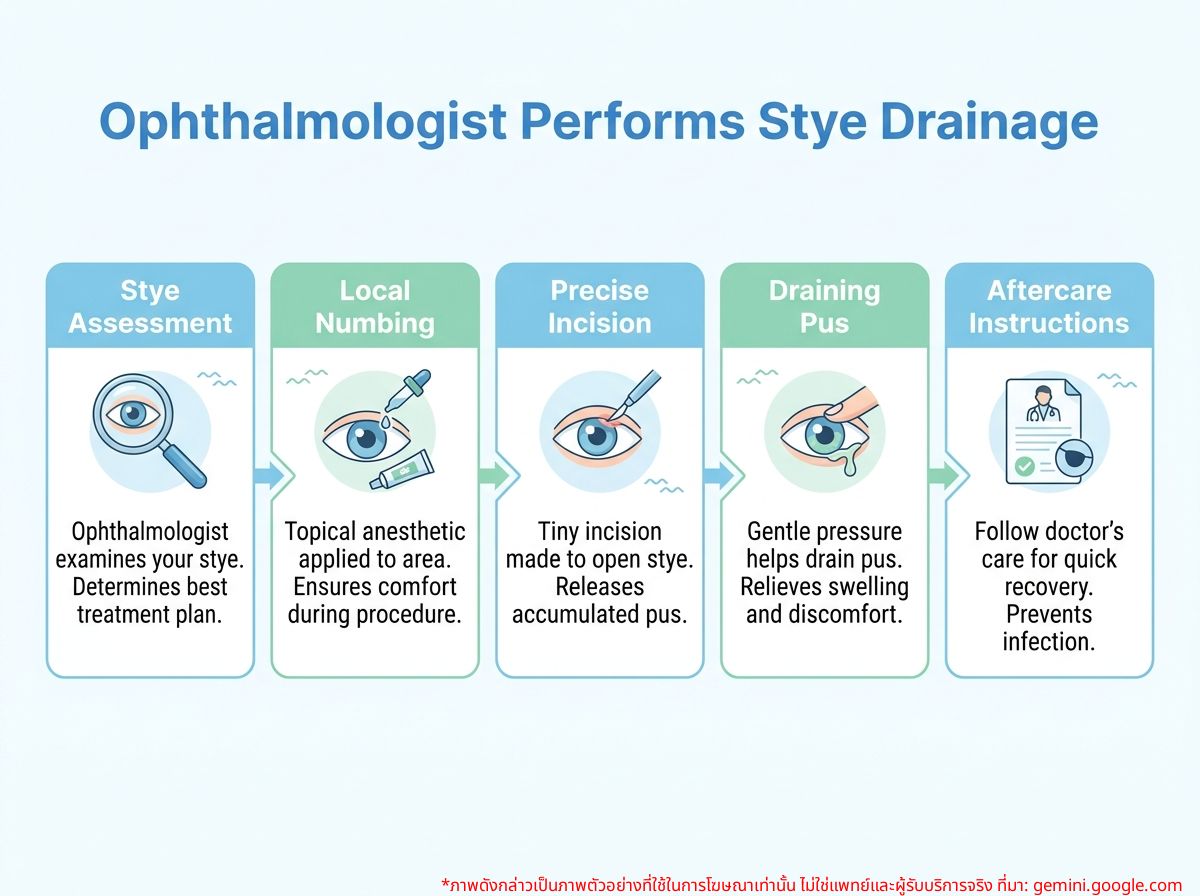
Stye incision and drainage is a minor procedure performed by an ophthalmologist. The general steps are as follows:
- Preparation: The doctor will clean the area around the eye and eyelid with an antiseptic solution.
- Local Anesthesia: The doctor will inject a local anesthetic into the eyelid where the stye is located, ensuring the patient feels no pain during the procedure. The anesthetic will take effect quickly, numbing the area.
- Incision/Drainage: Once the anesthetic takes effect, the doctor will use small, sterile medical instruments, such as a surgical blade or a needle, to make an incision at the head of the stye or on the inner surface of the eyelid to drain the pus and blocked oil. The incision is usually made parallel to the lash line to minimize scarring.
- Cleaning: The doctor will gently scrape or clean out the inflamed tissue and remaining pus.
- Wound Dressing/Eye Drops: After drainage, the doctor may temporarily cover the eye with a sterile gauze pad or apply antibiotic eye drops to prevent infection.
This procedure does not take long, usually completed within 10-20 minutes. Patients can return home immediately afterward.
3. When Does a Doctor Recommend Stye Incision or Drainage?
A doctor will consider recommending stye incision or drainage under certain circumstances and conditions, such as:
- Large Stye: If the stye is very large, pressing on the eyeball or affecting vision.
- No Improvement After Initial Treatment: When the patient has tried warm compresses and antibiotic eye drops or oral medication for a period (approximately 1-2 weeks), but the condition has not improved or the stye persists.
- Severe Pain: A stye causing severe pain that cannot be relieved by over-the-counter pain medication.
- Severe or Spreading Infection: If the infection has spread to the surrounding eyelid area, such as widespread redness and swelling of the eyelid.
- Cosmetic Reasons: In cases where a chronic stye has turned into a non-inflamed fatty cyst (Chalazion) but remains a noticeable lump, causing cosmetic concern.
- Recurrent Styes: For some patients who experience frequent recurrent styes in the same location, the doctor may consider surgery to clean out the blocked gland.
💡 Did you know? Most styes occur on the upper eyelid more often than the lower eyelid and can affect one eye or both eyes simultaneously, or alternate between them. This is often related to poor eye hygiene!
Eye Hygiene and Risk Factors for Recurrent Styes
Understanding risk factors and maintaining good eye hygiene are crucial for preventing recurrent styes, a problem that bothers many people. Key risk factors include touching the eyes with unclean hands, using old or contaminated makeup, incomplete removal of makeup, and chronic blepharitis, a condition where the oil glands in the eyelids produce excessive oil and are prone to blockage.
Consistent eyelid hygiene is therefore essential for prevention. If you have blepharitis, you should consult an ophthalmologist for advice on proper eyelid cleaning and care to reduce the likelihood of developing styes, both those requiring surgery and those that don’t, in the future.

4. How to Prepare Before Stye Incision/Drainage?
Good preparation helps ensure a smooth procedure and reduces various risks. Patients should strictly follow their doctor’s recommendations:
- Inform Medical History: Inform your doctor about any underlying medical conditions, all medications you are currently taking, including over-the-counter drugs, herbal supplements, vitamins, or other supplements, especially medications that affect blood clotting, such as aspirin or warfarin.
- Inform Allergy History: If you have a history of drug allergies or allergies to any substances, you should inform the doctor and nurse in detail.
- Avoid Makeup and Contact Lenses: Refrain from wearing eye makeup and contact lenses on the day of the procedure, as well as on the days before and after, as advised by your doctor.
- Clean Your Face: Wash your face thoroughly before coming to the hospital or clinic.
- Arrange for a Driver: Since your eye may be temporarily covered or slightly blurry from the anesthetic after the procedure, you should have a caregiver or driver to take you to and from the clinic.
- Get Enough Rest: Ensure you get sufficient sleep the night before your appointment.
5. What are the Risks and Side Effects of Stye Incision/Drainage?
Although stye incision and drainage is a safe procedure with low risks, some side effects may occur. Patients should be aware of these to alleviate concerns and recognize any unusual symptoms:
- Swelling and Bruising: After the procedure, there may be slight swelling or bruising around the eyelid, which will gradually improve and disappear within a few days.
- Eye Discomfort: You may experience mild pain, irritation, or a feeling of something in your eye during the first 1-2 days.
- Bleeding: There may be slight oozing of blood from the surgical site, which usually stops on its own.
- Recurrent Infection: This is a very rare risk, especially if wound care is inadequate or new bacteria are introduced.
- Scarring: The surgery is usually performed meticulously and in a less visible location, but in some cases, a small scar may form.
- Recurrent Stye: Surgery treats the current stye but does not prevent new styes from forming in the future if the same risk factors persist.
If you experience increasing severe pain, increased redness and warmth of the eyelid, pus draining from the wound, or fever, you should return to see an ophthalmologist immediately.
6. Post-Stye Incision/Drainage Care and Recovery Time?
Proper self-care after surgery is crucial for wound healing and preventing complications. Patients should follow these recommendations:
- Cold Compress: During the first 24-48 hours after surgery, you may gently apply a cold compress to the eyelid area to reduce swelling and bruising.
- Use Prescribed Medication: Strictly use antibiotic eye drops or ointment as prescribed by your doctor.
- Avoid Touching Your Eyes: Do not rub, scratch, or unnecessarily touch the wound to prevent infection.
- Avoid Makeup/Contact Lenses: Refrain from wearing eye makeup and contact lenses for at least 1-2 weeks, or as advised by your doctor.
- Avoid Strenuous Activities: Avoid swimming, heavy exercise, or activities that cause excessive sweating for 1-2 weeks to prevent infection and disturbance to the wound.
- Clean Eyelids: Maintain consistent eyelid hygiene, possibly by gently wiping with a cotton swab dipped in warm water.
Generally, the wound will begin to heal completely within 1-2 weeks, swelling and bruising will subside, and patients can resume normal activities. However, you should consult your doctor for confirmation.
7. Are There Alternatives to Surgery, and How Can Styes Be Prevented?
Before considering surgery, there are other treatment options for styes that may be effective in the early stages:
- Warm Compresses: This is the most important and effective method for treating mild styes. Use a clean cloth soaked in warm water (at a tolerable temperature) and apply it to the eyelid for 10-15 minutes, 3-4 times a day. The warmth helps soften the blocked oil and facilitates drainage.
- Antibiotics: Your doctor may prescribe antibiotic eye drops or ointment to reduce infection, and may consider oral antibiotics in cases of severe or spreading infection.
- Eyelid Massage: After applying a warm compress, you may gently massage the eyelid to help drain pus and oil.
How Can Styes Be Prevented?
Prevention is always better than cure. Practicing good hygiene can help reduce the risk of recurrent styes:
- Maintain Eye and Eyelid Cleanliness: Always wash your hands thoroughly before touching your eyes, and clean your eyelids regularly, especially if you have blepharitis.
- Thorough Makeup Removal: Always remove eye makeup completely before bed.
- Avoid Old Makeup: Replace mascara, eyeliner, or eyeshadow every 3-6 months to prevent bacterial buildup.
- Avoid Expired Contact Lenses: Replace contact lenses as scheduled and clean lenses and lens cases properly.
- Avoid Rubbing Eyes: Rubbing your eyes can introduce germs and cause inflammation.
- Manage Underlying Conditions: If you have underlying conditions such as dermatitis or diabetes, manage them well, as they can be risk factors for developing styes more easily.

Stye incision and drainage is an effective treatment option for styes that do not respond to initial treatment or have severe symptoms. Although it is a minor procedure, when performed by a skilled ophthalmologist and followed by strict adherence to post-operative care instructions, it can lead to smooth recovery and reduced risk of complications.
If you are experiencing a persistent stye or have questions about treatment, please do not hesitate to consult a specialist. Early and accurate diagnosis and treatment planning can help you regain healthy, bright eyes. You can contact us or schedule an appointment through the clinic’s channels to receive advice and care from our team of expert doctors.
Related Articles