

 TH
TH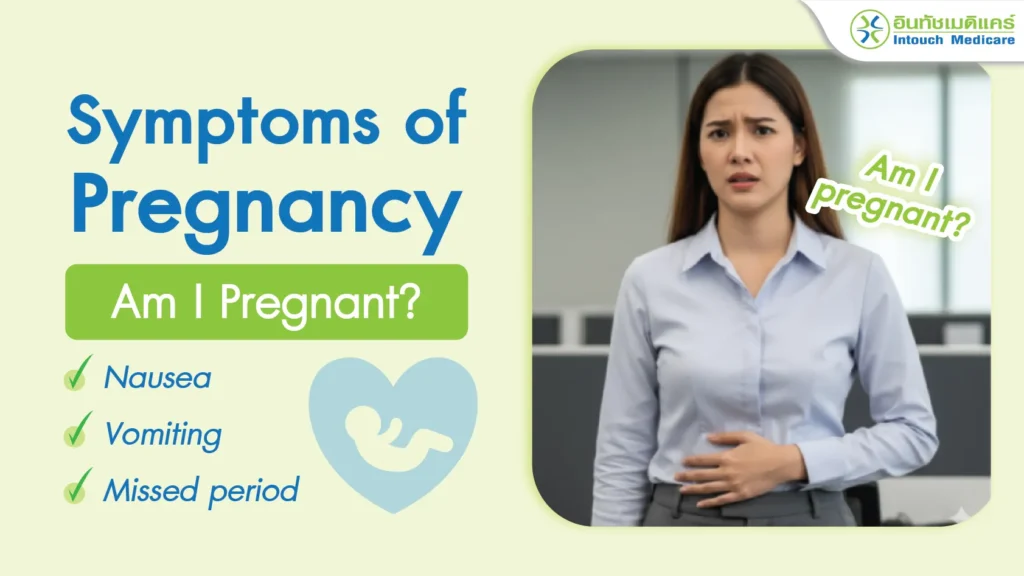
Early signs of pregnancy closely mimic premenstrual symptoms, making them hard to tell apart, but there are a few key differentiators. This article will help you learn more about “symptoms of pregnancy”, how to tell if you’re pregnant and common early signs of pregnancy.
This article covers distinguishing premenstrual symptoms from early pregnancy, the best time for a pregnancy test, confirming pregnancy, starting prenatal care, and urgent symptoms needing immediate care. This article will provide you with knowledge to make well-informed choices for the health of both mother and child from the start of your pregnancy.
Interesting facts about early signs of pregnancy
- Symptoms of pregnancy
- Interesting symptoms of pregnancy

- Common early signs of pregnancy
- Differences between PMS and pregnancy symptoms

- When to take a pregnancy test?
- Pregnancy confirmation
- When to start prenatal care?
- Urgent symptoms needing immediate care
Symptoms of pregnancy
Symptoms of pregnancy symptoms are the physical and emotional changes during pregnancy that stem from significant hormonal shifts, especially Human Chorionic Gonadotropin (hCG), which is produced after embryo implantation.
Interesting symptoms of pregnancy
Although each person’s pregnancy symptoms are different, common symptoms fall into the following categories.

Noticeable physical symptoms
- Missed period (the most important first sign)
- Nausea and vomiting (morning sickness, typically starting around weeks 2-8)
- Breast tenderness and enlargement
- Frequent urination
- Fatigue and tiredness
- Constipation and bloating
- Skin discoloration like darker nipples or the dark line on the belly

Emotional and sensory symptoms
- Mood swings, irritability, and heightened sensitivity (due to hormonal changes)
- Increased sensitivity to smells (hyperosmia) and changes in taste
- Appetite changes (craving unusual foods or hating favorites)
Common early signs of pregnancy
The common early signs of pregnancy (which may occur before a missed period) are as follows.

- Missed period: The most obvious and classic sign of pregnancy
- Breast tenderness: Often mimics PMS but is usually more intense, lasts longer
- Feeling fatigued and drowsy: Feeling constantly tired during pregnancy, even after rest
- Mild, dull abdominal pain: Similar to menstrual cramps (possibly due to embryo implantation)
- Frequent urination
- Nausea/morning sickness: Commonly begins between weeks 2 and 8 of pregnancy
Differences between PMS and pregnancy symptoms
While premenstrual syndrome (PMS) and early pregnancy share symptoms there are a few key differentiators.

Period
- PMS: Menstruation often returns to normal after symptoms subside
- Early pregnancy: Missed or delayed period
Abdominal pain
- PMS: Often characterized by abdominal cramps and severe back pain before and during menstruation
- Early pregnancy: Mild, dull lower abdominal pain
Breast tenderness
- PMS: Usually eases with your period starts
- Early pregnancy: Persist for 2-3 weeks or even the entire pregnancy
Nausea/Vomiting
- PMS: Nausea and vomiting, often alongside headaches, usually appear 1-3 days before a period due to dropping estrogen
- Early pregnancy: Morning sickness (nausea/vomiting anytime) often lasts for several weeks.
When to take a pregnancy test?
- After a missed period: You should take a pregnancy test 1-2 days after your missed period.
- A pregnancy test can be taken as early as 7-10 days following sexual intercourse, or roughly one week following embryo implantation. If the first test result is negative but your period hasn’t started, you should retake it in 3-7 days.
Pregnancy confirmation
- Urine pregnancy tests detect the human chorionic gonadotropin (hCG) in urine and are accurate, simple, and quick. Using the first morning urine is best because it has the highest concentration of hCG hormone.
- Blood test for hCG is highly accurate and can detect pregnancy earlier than a urine test.
- Ultrasound examination is performed by doctors to confirm intrauterine pregnancy (usually done during the 6th-7th week of pregnancy) and to estimate gestational age.
For more information: Types of Pregnancy Tests and How Soon You Can Get Accurate Results
When to start prenatal care?
The best time for prenatal care is right after a positive test or by week 12, as early prenatal care is crucial for monitoring development, starting supplements like folic acid for organ formation, and identifying risks early, ensuring a healthier start for the baby and mother.
Urgent symptoms needing immediate care
- Vaginal bleeding, whether slight or heavy, needs urgent medical attention
- Severe or acute lower abdominal pain in pregnancy
- Severe morning sickness, nausea, and vomiting that prevents eating or drinking (risk of dehydration)
- High fever or chills
- Breaking of the amniotic sac (before due date)
- Swelling, rapid weight gain, accompanied by epigastric pain, blurred vision, or severe headache (may be a sign of preeclampsia)
- Decreased or absent fetal movement (during the second and third trimesters).
If you experience early pregnancy symptoms such as nausea, food aversion, or a missed period, it’s recommended to take a pregnancy test to confirm the potential pregnancy. The best time for prenatal care is right after a positive test or by week 12, as early prenatal care is crucial for monitoring development, ensuring a healthier start for the baby and mother.
IntouchMedicare offers comprehensive maternity services throughout your pregnancy and delivery, covering everything from early pregnancy tests, antenatal checkups, genetic screenings like Down syndrome screening, to essential vaccinations and postnatal support.
Interesting Articles
- Types of Pregnancy Tests and How Soon You Can Get Accurate Results
- Morning Sickness: What Are the Symptoms? When Should You See a Doctor?
- Obstetrics and gynecology clinic, prenatal clinic
For more info and make appointment

Warangkana Vivulsirikul ,M.D.
General Practitioner
 Latest edit : 15/12/2025
 Images may be used without prior permission exclusively for educational or informational purposes, as long as proper credit is given to intouchmedicare.com