

 TH
TH MM
MM
Vaginal itching is a common problem experienced by many women, which can cause discomfort and affect daily quality of life. While sometimes it may be just minor irritation, in some cases, it could be a sign of a significant health issue. Understanding the causes, initial care, and knowing when to see a doctor are crucial for maintaining proper feminine hygiene.
This article will provide in-depth information on vaginal itching, from common causes and basic self-care methods to warning signs that warrant a doctor’s consultation, empowering women to manage this issue confidently and appropriately.
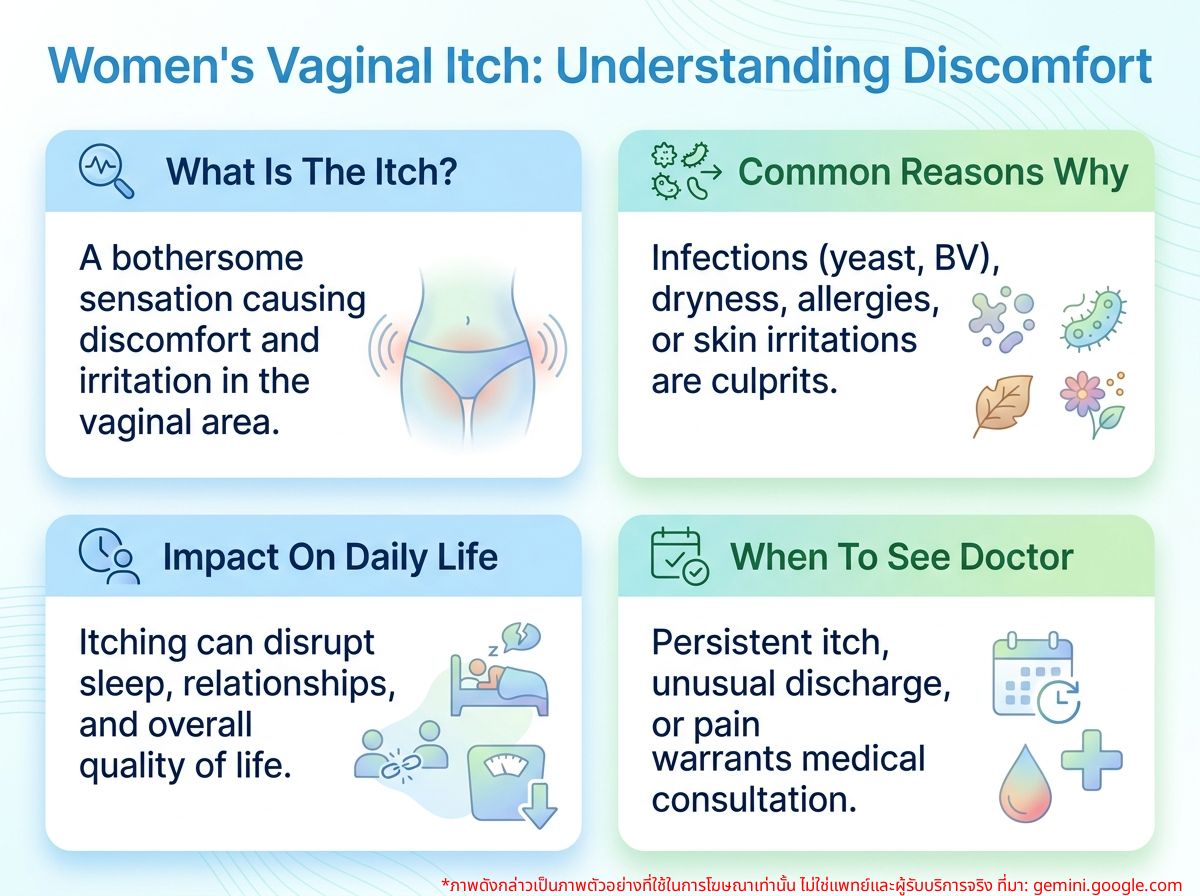
1. What is Vaginal Itching and How Common Is It?
Vaginal itching, or vulvovaginal itching, is a feeling of discomfort, tingling, or irritation in the vagina and vulva. This is a very common symptom in women of all ages, from adolescence to menopause. Medical reports indicate that almost every woman will experience vaginal itching at least once in her lifetime, and it is one of the primary reasons women visit a gynecologist.
The importance of understanding vaginal itching lies in distinguishing whether the symptom is due to a minor cause that can be self-managed, or if it’s a warning sign of a health problem requiring medical diagnosis and treatment, to prevent the issue from escalating and to maintain good feminine reproductive health.
2. What are the Main Causes of Vaginal Itching?
Vaginal itching can stem from various causes, ranging from mild external factors to infections or more complex medical conditions. Common causes include:
- Chemical Irritation: Various products such as perfumed soaps, laundry detergents, fabric softeners, feminine hygiene products, bubble baths, scented toilet paper, or even certain lubricants and condoms may contain ingredients that cause irritation and itching.
- Yeast Infection (Candidiasis): This is the most common cause, resulting from an overgrowth of the fungus Candida albicans in the vagina. Symptoms often include intense itching, burning, thick white discharge resembling cottage cheese, and possibly redness and swelling.
- Bacterial Vaginosis (BV): Caused by an imbalance of bacteria in the vagina. Common symptoms include a fishy odor, especially after sex, and thin gray or white discharge. Itching or burning may or may not be present.
- Sexually Transmitted Infections (STIs): Certain conditions like Chlamydia, Genital Herpes, Genital Warts, and especially Trichomoniasis, can cause itching, burning, and abnormal discharge.
- Dermatitis: The skin around the vagina can become inflamed due to contact dermatitis or other chronic skin conditions like eczema or psoriasis, leading to itching, redness, swelling, and possibly dry, flaky skin.
- Hormonal Changes: Especially during menopause, decreased estrogen levels can thin and dry the vaginal walls, making them more susceptible to irritation, which can cause itching and burning.
- Over-cleaning: Douching or using harsh feminine hygiene products can disrupt the beneficial bacteria in the vagina, leading to irritation and an imbalance.
💡 Did you know? More than 75% of women worldwide have experienced a vaginal yeast infection at least once in their lives, and about half of them will experience recurrent infections!
Imbalance of Vaginal Microflora: A More Common Problem Than You Think
The microflora in a woman’s vagina plays a crucial role in maintaining a balanced environment and preventing infections. The fact that many women face recurrent vaginal itching caused by yeast infections or bacterial infections indicates an imbalance of beneficial microorganisms within the vagina. This can occur due to various factors, including lifestyle habits, hygiene practices, or even hormonal changes.
Understanding this mechanism will help us prevent and treat itching more effectively. Instead of focusing solely on treating symptoms, we should pay attention to maintaining the balance of the vaginal ecosystem for long-term health.
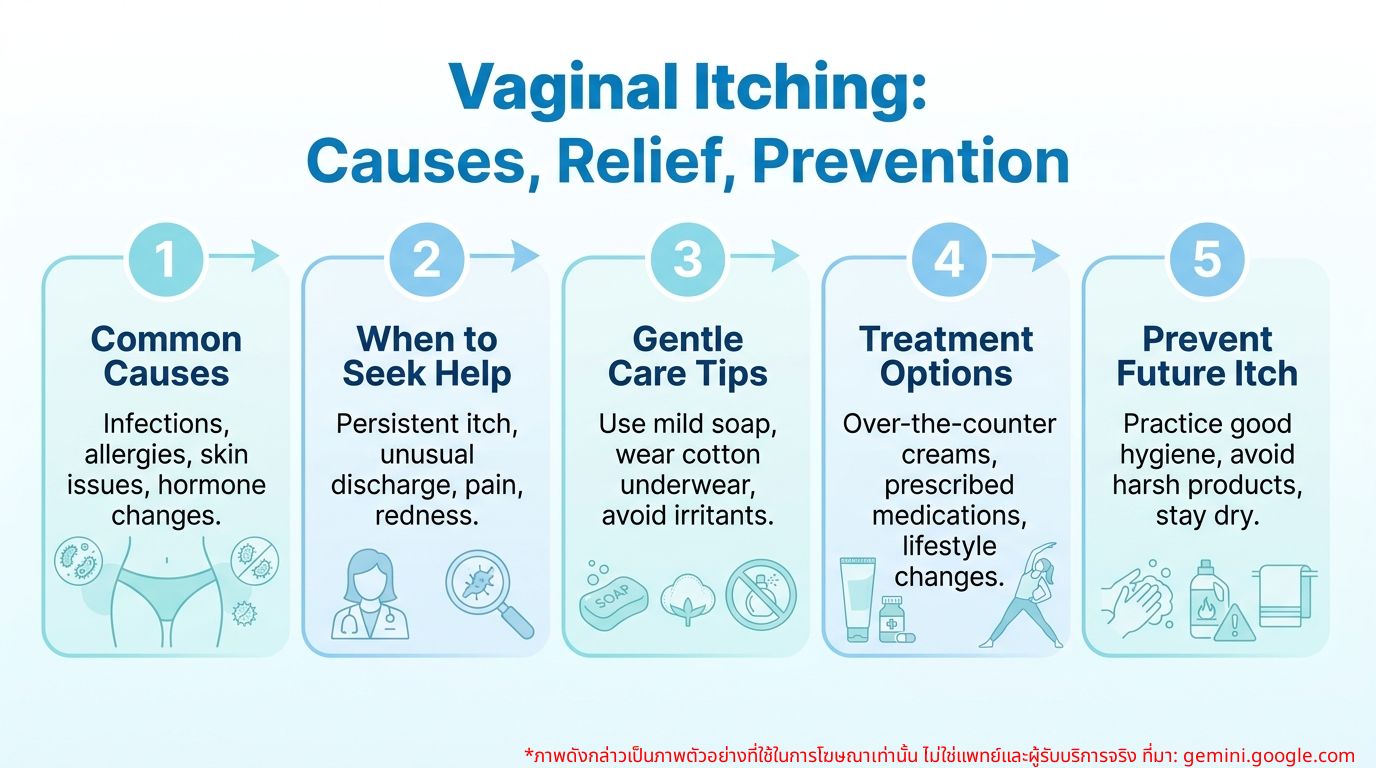

3. How Can You Self-Care to Relieve Vaginal Itching?
If vaginal itching is not severe and there are no accompanying warning signs, you can try basic self-care to alleviate the symptoms:
- Maintain Proper Hygiene: Cleanse the vaginal area with clean water or a mild, unscented soap 1-2 times a day. Gently pat dry after showering. Avoid douching.
- Choose Gentle Products: Avoid feminine hygiene products containing fragrances, harsh soaps, or chemicals that may cause irritation. Opt for unscented pads or tampons and change them frequently.
- Avoid Irritants: Discontinue using products suspected of causing itching, such as certain laundry detergents, fabric softeners, or scented toilet paper.
- Cold Compress: If itching is severe, applying a clean cloth soaked in cold water to the vaginal area can temporarily relieve itching and reduce redness and swelling.
- Wear Breathable Clothing: Choose loose-fitting cotton underwear and avoid overly tight pants to allow for good air circulation in the vaginal area and reduce moisture.
- Avoid Scratching: No matter how intense the itch, try to avoid scratching, as it can further irritate the skin, cause wounds, and increase the risk of infection.
4. When Should You See a Doctor for Vaginal Itching?
While most cases of vaginal itching can be managed with self-care, there are certain warning signs that indicate you should see a doctor promptly for proper diagnosis and treatment:
- Severe and Persistent Itching: Itching that is so intense it disrupts sleep or daily activities, or symptoms that do not improve after 2-3 days of self-care.
- Abnormal Discharge: Such as discharge that changes color (yellow, green, gray), has an unusual consistency (like cottage cheese), or is unusually heavy.
- Foul Odor: Especially a fishy smell or other unpleasant odors that are new to you.
- Pain, Burning, or Discomfort During Urination/Sex: These are signs of inflammation or infection.
- Noticeable Swelling and Redness: The vaginal or vulvar area appears swollen, red, hot, or has a rash.
- Sores or Blisters: Presence of open sores, blisters, or unusual bumps in the vaginal and external genital area.
- Accompanied by Fever: Fever indicates an infection that may be spreading and becoming more severe.
- Pregnancy: If you experience itching during pregnancy, you should consult a doctor for the safety of both mother and baby.
Neglecting these signs can worsen the infection or condition and affect long-term health. Therefore, if you experience any of the above symptoms, you should see a doctor promptly for evaluation and appropriate treatment without delay.
5. How Will a Doctor Diagnose and Treat Vaginal Itching?
When you visit a doctor, they will follow various steps to diagnose the true cause of vaginal itching and plan appropriate treatment:
- History Taking: The doctor will ask about your symptoms, medical history, sexual history, use of hygiene products, and current medications.
- Physical Examination: This may include examining the external genitalia for abnormalities and a pelvic exam to assess the condition of the vagina and cervix.
- Laboratory Sample Collection:
- Vaginal Swab: The doctor will use a cotton swab to collect a sample of vaginal discharge for microscopic examination to detect fungi, bacteria (e.g., Gram stain for Bacterial Vaginosis), or parasites (Trichomoniasis).
- Culture: In some cases, a culture may be necessary to identify the specific type of pathogen causing the infection.
- STI Testing: If suspected, blood tests or additional samples may be collected to screen for sexually transmitted infections.
Treatment approaches will depend on the diagnosed cause:
- Yeast Infection: Treated with antifungal medications, either oral or vaginal suppositories.
- Bacterial Infection: Treated with antibiotics, either oral or vaginal suppositories.
- Sexually Transmitted Infections: Treated according to the specific type of infection, such as antibiotics for Chlamydia or antiviral medications for herpes.
- Irritation/Dermatitis: Recommendations include avoiding irritants and possibly using mild topical steroid creams to reduce inflammation and itching.
- Hormonal Changes: For menopausal women with vaginal dryness, topical estrogen therapy may be considered.
It is crucial to complete the full course of medication as prescribed by the doctor, even if symptoms improve, to prevent recurrence and antibiotic resistance.
6. How Can You Prevent Vaginal Itching from Recurring?
Prevention is key to maintaining a healthy vagina and reducing the risk of recurrent itching:
- Choose Breathable Clothing: Wear loose-fitting cotton underwear and avoid overly tight pants to keep the vaginal area dry and prevent moisture buildup.
- Maintain Proper Hygiene: Cleanse the vaginal area with clean water or a mild, unscented soap. Always pat dry after showering and using the restroom. Wipe from front to back to prevent transferring germs from the anus to the vagina.
- Avoid Douching: Douching can disrupt the beneficial bacteria in the vagina and upset its balance, increasing the risk of infection.
- Use Fragrance-Free Products: Choose soaps, laundry detergents, toilet paper, and sanitary pads that are free of fragrances or chemicals that may cause irritation.
- Practice Safe Sex: Use condoms every time and avoid frequent changes of sexual partners to prevent sexually transmitted infections.
- Manage Stress: Stress can affect the immune system and may weaken the body, making it more susceptible to infections.
- Maintain Vaginal pH Balance: Eat a healthy diet, especially yogurt or certain probiotic supplements, which may help maintain the balance of good bacteria in the vagina.
- Change Sanitary Pads Frequently: During menstruation, change sanitary pads every 3-4 hours to reduce moisture and bacterial buildup.
Following these recommendations will help reduce the risk of vaginal itching and enable women to maintain better vaginal health and comfort.

Vaginal itching is a common problem in women, which can have various causes, from minor irritation to serious infections requiring treatment. Understanding the causes, maintaining proper hygiene, and recognizing warning signs are crucial for caring for feminine reproductive health.
If you are experiencing vaginal itching that doesn’t resolve on its own, is severe, or is accompanied by other abnormal symptoms, you should not ignore it. Consulting a specialist doctor will help ensure an accurate diagnosis and appropriate treatment, allowing you to regain a good quality of life free from worries about this health issue. You can contact or schedule an appointment through the clinic’s channels to receive advice and care from our team of expert doctors.
Related Articles
- What Causes Vaginal Itching? Know How to Relieve It and When to See a Doctor
- Itchy Vagina, Itchy Private Parts: Signs of Disease, Know Causes, Symptoms, and Solutions
- Vaginal Yeast Infection: Itching, Thick Discharge, How to Treat and Prevent Recurrence
- Answering Frequently Asked Questions! Trichomoniasis: A Vaginal Parasitic Disease Many Wonder About