

 TH
TH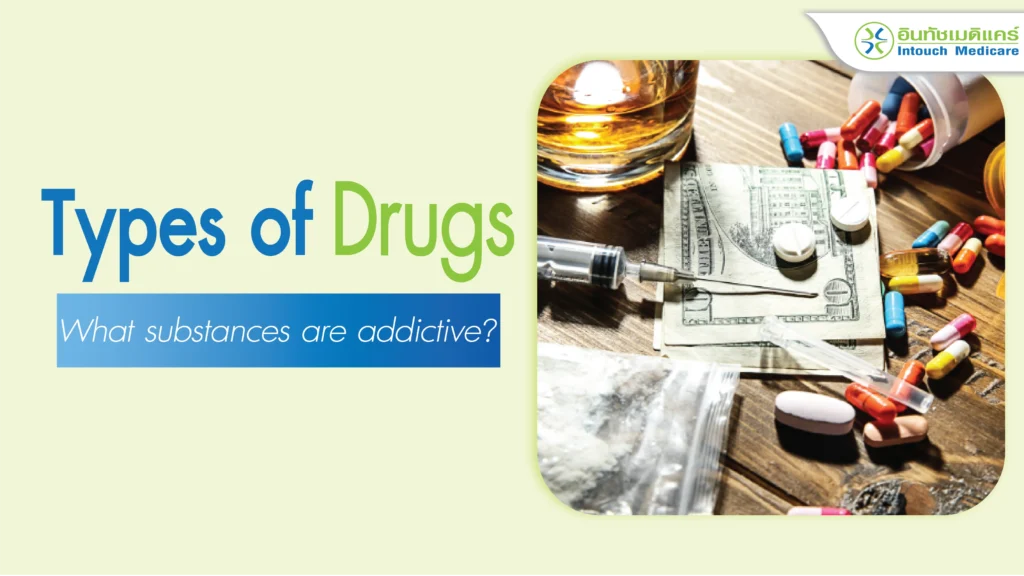
There are many types of addictive substances. Some drugs can be used for medical purposes, while many others are used illegally. Drug testing is important in various situations, such as job applications, patient treatment or rehabilitation, and the issuance of licenses.
Drug testing must consider the type of substance and the appropriate testing method. This article compiles 13 types of drugs that should be tested using the correct methods.
Types of Drugs and Interesting Facts
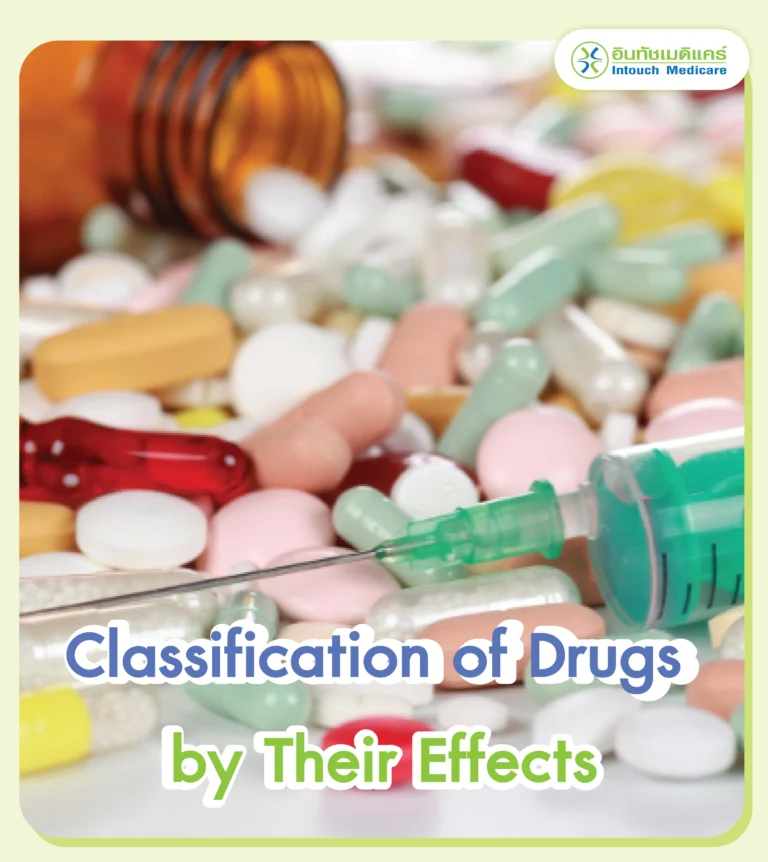
Classification of Drugs by Their Effects
- Depressants: alcohol, opium, morphine, heroin, inhalants, sleeping pills, and sedatives
- Stimulants: amphetamines (methamphetamine), kratom, cocaine, and ecstasy (MDMA)
- Hallucinogens: LSD, DMT, ketamine, and psilocybin mushrooms
- Combined Effects; may have depressant, stimulant, or hallucinogenic effects: cannabis
Let’s take a look at the 13 types of drugs that are essential to be tested and see which substances are included.

Alcohol
Alcohol is a depressant commonly found in alcoholic beverages such as liquor and beer. Measuring alcohol levels helps improve safety in the workplace and road safety. Alcohol can be tested using a Breathalyzer (breath test), urine testing, and blood testing.
Amphetamine
Methamphetamine, or amphetamine, is a stimulant that activates the nervous system, making users feel alert. It is one of the most commonly tested substances in pre-employment health checkups. For accuracy and official medical certification, self-testing kits are not recommended. Instead, urine or blood samples should be collected and tested in a laboratory.
Cannabis or Marijuana
THC (tetrahydrocannabinol) in cannabis/marijuana is commonly tested using urine samples, as most of the substance is excreted from the body through urine.
Currently, there are many testing options available, including rapid test kits and professional testing services. Blood testing is usually used in urgent situations, such as accidents, and should be conducted by a medical professional.
Interested in drug testing? Click here
Cocaine
Cocaine use has been around for a long time. Using cocaine together with alcohol increases the types of substances that can be detected and helps confirm drug use. Currently, cocaine can be easily detected using urine test kits or patches; however, for better accuracy, blood testing is recommended.
Ketamine
Ketamine is a hallucinogenic drug. For convenience, initial screening is usually done using a cassette-style drug test, which uses urine samples.
The test cassette looks similar to a COVID-19 rapid test kit. Two lines indicate a negative result (no drug detected).

Opioids
Opioids are drugs used in medical treatment, such as morphine, heroin, and codeine. They are commonly prescribed to relieve pain. However, these medically useful drugs can become harmful if used without proper medical supervision.
Opioid testing can be performed using urine, blood, hair, saliva, or sweat samples.
Phencyclidine (PCP)
The fastest and most commonly used method for detecting phencyclidine (PCP) is rapid drug testing. Both urine test kits and saliva test kits are available. These tests provide preliminary, semi-quantitative results only.
Ecstasy or Love Drugs
Ecstasy, also known as the “love drug,” has both stimulant and hallucinogenic effects. Testing is recommended at a medical facility using urine, blood, or hair samples.

Alprazolam
Alprazolam are illegally used substances commonly associated with sexual assault. Overdose can be life-threatening. These substances remain detectable in hair for the longest period, followed by urine, and for the shortest time in blood. Medical consultation is recommended to determine the most appropriate testing method.

Nicotine
Nicotine is found in cigarettes and e-cigarettes and is eliminated from the body relatively quickly. It can remain detectable for 17–19 hours. Nicotine testing is most commonly performed using urine samples, as it is excreted in higher amounts, but blood or saliva tests can also be used. Inhalation delivers more nicotine than other forms of exposure, such as smoking or secondhand smoke.
Ephedrine
Ephedrine must be used with caution. It is commonly used to treat respiratory system disorders. Ephedrine can be detected in urine for 2–5 days after use, and it can also be detected through blood testing.
Phentermine
Phentermine is a stimulant prescribed by physicians to be used alongside diet control and exercise for the treatment of obesity. It can remain in the body for approximately 4 days. The most common method for detecting phentermine is urine testing.
Interested in drug testing? Click herePseudoephedrine
How Long Do Drugs Stay In Your System?
For substances such as cocaine and amphetamines, they typically remain in the body for several hours. Cannabis may remain detectable for up to a week, while inhalants can remain for as long as a month. However, this depends on the type of substance and other factors such as the amount used and frequency of use. In general, most drugs are eliminated from the body within 3–4 days.
How to Get Started with Drug Testing?
If you want to undergo drug testing, you should first clearly identify your purpose, such as for a pre-employment health check or for obtaining a medical certificate. After that, you may purchase a drug test kit or search for “drug testing clinic near me” to choose a reliable medical facility.
Intouch Medicare offers several drug testing options, including urine drug testing, blood drug testing, and sweat drug testing. Each method differs in accuracy, types of detectable substances, and cost. You can inquire for details before receiving the service.
Related Articles
Contact for More Information

Mr.Achawin Thamsoonthorn
General Manager
 Last Edited : 20/01/2026
 Images may be used without prior permission for educational or informational purposes only, provided that proper credit to intouchmedicare.com is given.