

 TH
TH MM
MM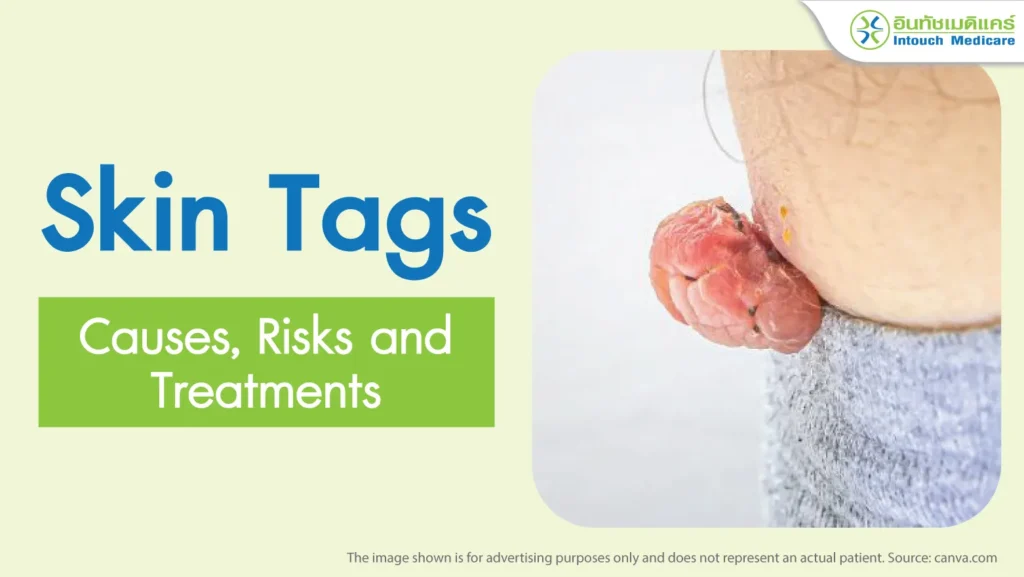
Skin tags are generally harmless, benign skin growths, not a sign of serious disease, though they can be irritating. While not dangerous, people may choose to have them removed for cosmetic reasons or if they cause irritation. This is especially true for people who love beauty and want smooth, beautiful ski
Interesting facts about skin tags

What are skin tags?
Skin tags are common, benign (non-cancerous) growths that appear as small, soft lumps on the skin. They can vary in color and size. They tend to appear with age, particularly in areas where skin folds rub together, such as the neck, armpits, groin, and eyelids.


To ascertain whether the skin tag is a benign tumor or a typical growth and to lower the danger, the doctor could remove the skin tag if it is too big.
Larger skin tags, due to their size, are more prone to friction with clothing, leading to irritation, pain, and potential wounds or bleeding.

Causes of skin tags
-
Insulin resistance: Research does indicate a strong link between certain metabolic factors and the development of skin tags. In particular, the existence and quantity of skin tags are commonly linked to higher body mass index (BMI), triglycerides, and insulin resistance.
-
Obesity: Obesity is indeed linked to Acanthosis Nigricans, a skin condition characterized by dark, velvety patches, often in skin folds.
-
Pregnancy: Hormonal changes and weight gain during pregnancy can lead to various side effects, including polyps, and may also be influenced by underlying endocrine problems or hormonal imbalances.
-
HPV infection: According to a study, 50% of the experimental group had DNA of Human Papillomaviruses (HPV). Thus, it is evident that skin tags could be caused by an HPV infection.
-
Genetics: There is a genetic component to skin tag development, meaning individuals with a family history of skin tags are more likely to develop them.
Characteristics of cancerous skin tags
Even while the majority of skin tags are benign, it’s crucial to recognize any warning symptoms that can point to a more serious problem. It’s critical to consult a doctor right away if a skin tag exhibits any of the following symptoms.
-
Rapid growth of skin tag – If a skin tag grows rapidly within a few weeks

-
Bleeding or chronic wounds – If a skin tag bleeds easily or a wound associated with it doesn’t heal within two weeks.
-
Color change – If a skin tag changes color, particularly darkening to black or blue, or exhibiting multiple colors within the same lump.
-
Irregular Borders – Irregular borders on a skin growth can be a warning sign of skin
-
Chronic itching, pain, or inflammation – If irritation persists
-
Development of skin tags in unusual locations – like the genitals or under the fingernails
Skin tag removal
-
Surgical removal: An effective method for skin tag removal, but it’s important to be aware of potential complications like bleeding and scarring.
-
Cauterization: A method for skin tag removal by applying heated electrical current to burn off the skin tag.
-
Cryotherapy: This procedure is a great way to reduce pain and irritation which involves using extreme cold to temporarily freeze and numb a nerve.
-
Laser treatment is an effective and precise method for removing skin tags and other skin conditions. Local anesthetic application for 45 minutes can help manage pain during the procedure. The laser can be used to precisely cut away the skin tag, resulting in a smaller wound compared to other methods. Beyond skin tags, lasers can also treat moles, freckles, warts, and other skin lesions.

If you have skin tags or other skin conditions, you can get our skin tag removal services, including mole, freckle, wart, and keloid removal, at any Intouch Medicare Clinic near you.
Interesting Articles
- Wart Removal, Skin Tag Removal, and Keloid Scar Treatment
- What Causes Warts? How Can They Be Treated?
- Keloids: Causes and Treatments
For more info and make appointment

Mr.Achawin Thamsoonthorn
General Manager
 Latest edit : 22/08/2025
 Images may be used without prior permission exclusively for educational or informational purposes, as long as proper credit is given to intouchmedicare.com