

 TH
TH MM
MM
Vaginal itching is a discomforting problem for many women, especially when it occurs without discharge. This often leads to concerns about its underlying cause. Many are familiar with itching accompanied by abnormal discharge, such as thick, cottage cheese-like discharge from a yeast infection, or discolored and foul-smelling discharge from bacterial infections or sexually transmitted infections.
However, vaginal itching without discharge can also occur and has many possible causes, including chemical irritation, allergies, hormonal changes, or even certain sexually transmitted infections. This article will delve into common causes and what to do when experiencing this problem, so you can understand and take care of yourself properly.
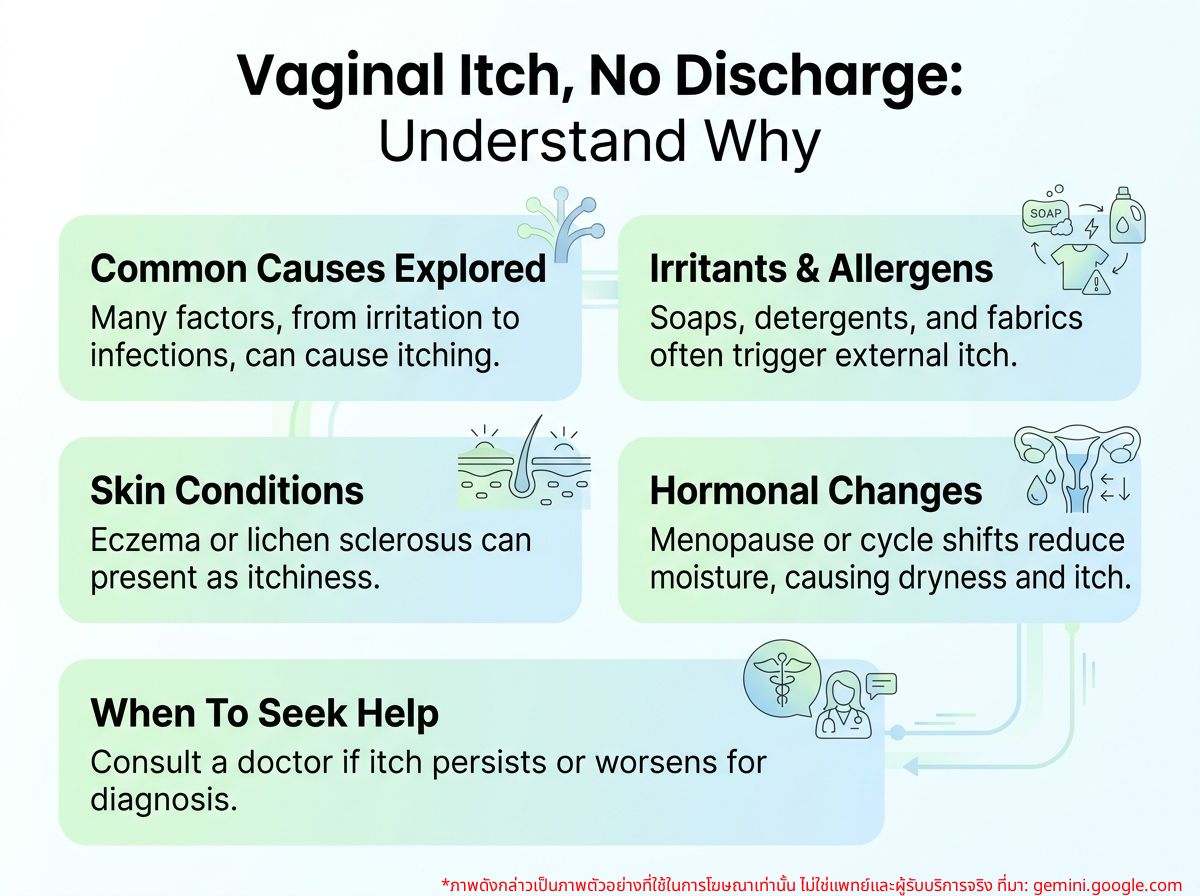
Vaginal Itching Without Discharge: Can It Really Be Caused by Yeast, Allergies, or STIs?
The answer is “yes, it’s possible.” Vaginal itching without discharge can indeed stem from these causes, as well as many others. Vaginal itching is a sign of inflammation or irritation, which doesn’t always have to be accompanied by abnormal discharge. The complexity of the vagina and various physiological factors make self-diagnosis difficult, so it’s important to consider multiple possible causes.
- Yeast Infection: While yeast infections commonly cause thick, white, cottage cheese-like discharge, some individuals may primarily experience itching, burning, and irritation with little to no noticeable discharge.
- Allergic Reaction or Irritation: Chemicals from various products such as soaps, laundry detergents, sanitary pads, underwear, or even perfumes can cause itching without affecting the nature of the discharge.
- Sexually Transmitted Infections (STIs): Some conditions, such as early-stage Herpes or Scabies, can cause severe itching without prominent discharge.
No Discharge, But Can It Still Be a Vaginal Yeast Infection?
Yes. While thick, white, cottage cheese-like discharge is a prominent sign of a vaginal yeast infection (Vulvovaginal Candidiasis), there are many cases where patients experience itching, burning, and irritation in the vaginal and external genital area without clearly visible abnormal discharge, or with only a small amount of discharge that might be overlooked.
Possible reasons include the infection not being severe enough to stimulate significant discharge production, or a different type of yeast causing inflammation and irritation primarily on the vaginal walls and vulvar skin. Other symptoms that may indicate a yeast infection besides itching include:
- Burning or irritation in the vulvar and internal vaginal area
- Redness and swelling in the vulvar area
- Pain during urination or sexual intercourse
If you experience these symptoms, even without abnormal discharge, you should consult a doctor promptly for diagnosis and proper treatment. Leaving it untreated can worsen symptoms and affect your quality of life.
How Do Allergies or Irritation Cause Vaginal Itching Without Discharge?
Vaginal itching caused by allergies or irritation is common and often not accompanied by abnormal discharge. This is primarily because the skin in the vaginal and external genital area comes into contact with substances that trigger an allergic or irritating reaction, leading to direct inflammation of that skin. This mechanism affects the outer skin layers more than the internal vaginal system that controls discharge production.
Common allergens or irritants include:
- Cleaning products: Liquid soaps, bar soaps with strong fragrances or harsh chemicals, vaginal sprays, feminine washes.
- Laundry products: Laundry detergents, fabric softeners with strong scents or chemical residues on underwear.
- Hygiene products: Sanitary pads, panty liners, scented toilet paper.
- Clothing: Underwear that is too tight or made of synthetic fabrics that don’t breathe.
- Other chemicals: Shower creams, lotions, certain lubricants, spermicides in condoms.
When the skin comes into contact with these substances, the body may have an immune response or irritation, leading to itching, redness, swelling, and possibly a rash. This does not directly affect the balance of bacteria or yeast inside the vagina, hence no abnormal discharge.
💡 Did you know? Vaginal itching without discharge can be a sign of Lichen Sclerosus, a chronic skin condition that is not common but requires diagnosis and treatment from a doctor.
Lichen Sclerosus: When Itching Without Discharge is a Warning Sign
As mentioned in the “Did you know?” section, Lichen Sclerosus is one of the significant causes of vaginal itching without discharge. This is a chronic inflammatory skin condition found in both women and men, but more commonly in postmenopausal women. It often affects the female genital and anal areas.
Key characteristics of Lichen Sclerosus include the affected skin becoming thinner, whiter, and severely itchy. Sometimes, there may be burning, pain, or easy bleeding, especially after scratching. The itching caused by this condition is often chronic and severe, and importantly, it is usually not related to changes in vaginal discharge, as it is a direct skin abnormality, not a vaginal infection. Diagnosis and treatment of this condition by a specialist doctor are therefore crucial to prevent long-term complications.
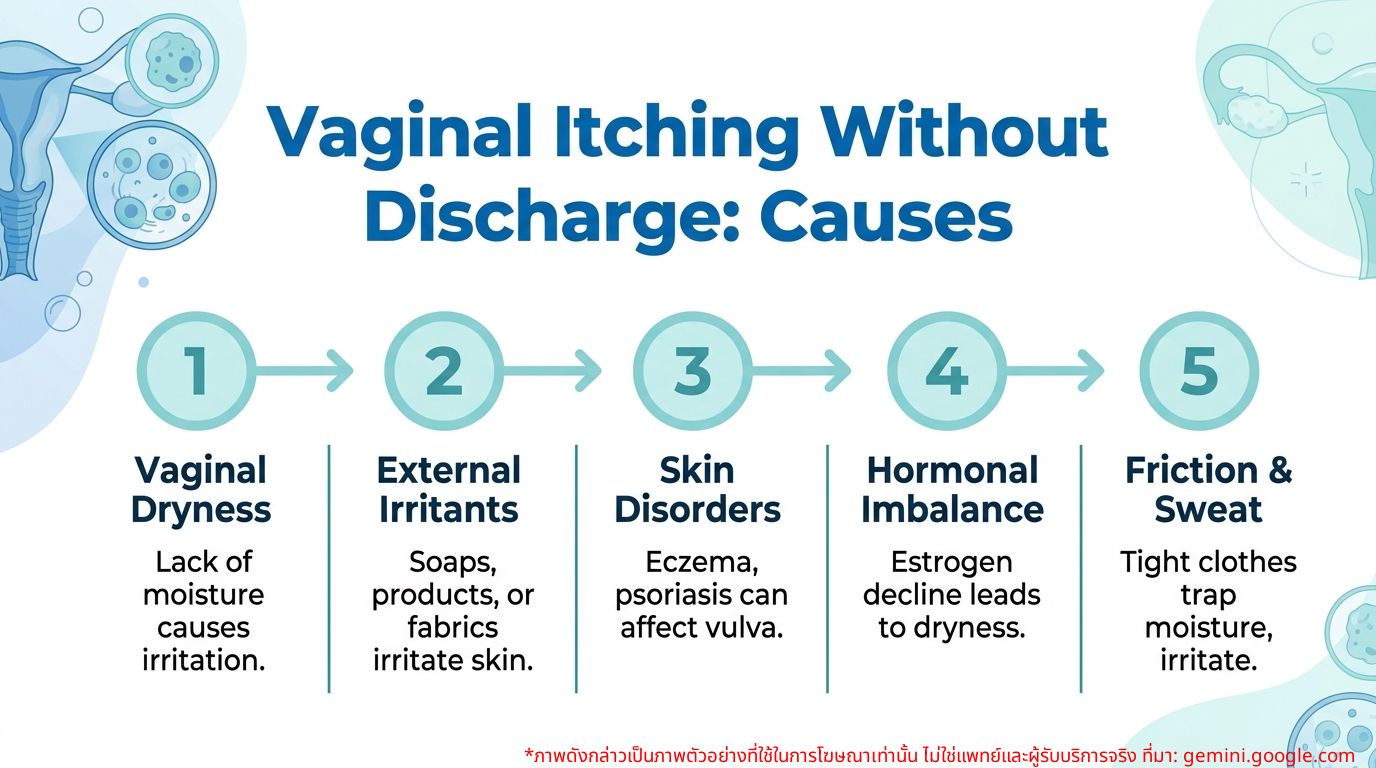

Which Sexually Transmitted Infections Cause Vaginal Itching Without Discharge?
While many sexually transmitted infections (STIs) often present with abnormal discharge, some may cause itching as a prominent symptom without clear discharge in the early stages, or some individuals may not show any discharge at all, making self-diagnosis difficult:
- Genital Herpes: In the initial stage, patients may experience itching, burning, or pain in the genital area before clear blisters appear. After the blisters break into sores, itching may continue. Generally, herpes does not cause abnormal discharge unless there is a secondary bacterial infection.
- Scabies: This is an infection by tiny parasites that burrow under the skin, causing severe itching, especially at night. It can be found in the genital area and other parts of the body. Scabies does not cause abnormal discharge.
- Chlamydia: Although Chlamydia often causes abnormal discharge in women, some individuals, especially in the early stages, may only experience itching or burning during urination without clear discharge.
Unprotected sexual intercourse is a significant risk factor for these infections. If you suspect you may have been exposed or have chronic itching of unknown cause, getting screened for sexually transmitted infections is crucial for accurate diagnosis and appropriate treatment, to prevent transmission and long-term complications.
Therefore, if you experience vaginal itching and are at risk for sexually transmitted infections, you should consult a doctor immediately. Do not neglect these symptoms.
Besides Yeast, Allergies, and STIs, Are There Other Causes of Vaginal Itching Without Discharge?
Certainly, there are many other causes that can lead to vaginal itching without discharge, some of which may sometimes be overlooked:
- Hormonal changes:
- Menopause: Decreased estrogen levels lead to vaginal dryness and thinning of the vaginal walls (Vaginal Atrophy), making it prone to itching, burning, and irritation.
- Pregnancy: Hormonal changes during pregnancy can make the skin in the vaginal area more sensitive to irritation.
- Lichen Sclerosus: As mentioned above, this is a chronic inflammatory skin condition that causes the skin in the genital area to thin, whiten, and become severely itchy.
- Other skin conditions: Such as Atopic Dermatitis or Contact Dermatitis, which may occur in the genital area.
- Bacterial Vaginosis (BV) imbalance: Although BV often involves abnormal discharge, some individuals may only experience itching or an unusual odor without clear discharge.
- Stress: Stress can affect the body’s immune system, making it more susceptible to irritation and infections, including in the vaginal area.
- Friction and clothing: Wearing underwear or pants that are too tight or do not allow air circulation can cause friction and dampness, leading to itching.
- Shaving or waxing: Hair removal in the genital area can cause irritation, skin inflammation, or ingrown hairs, which can lead to itching.
Given such a variety of causes, an accurate diagnosis requires examination by a doctor to differentiate the causes and plan targeted treatment.
When Should You See a Doctor for Vaginal Itching Without Discharge?
While vaginal itching can sometimes resolve on its own or improve with basic hygiene, in many cases, consulting a doctor is important for an accurate diagnosis and appropriate treatment. You should see a doctor if you experience any of the following symptoms:
- Severe itching: Itching that disrupts daily life, sleep, or work.
- Symptoms not improving: After basic self-care (e.g., changing cleaning products, wearing loose clothing), symptoms persist or worsen within 2-3 days.
- Other accompanying symptoms: Such as pain, swelling, severe redness, rash, blisters, sores, pain during urination, pain during sexual intercourse, or abnormal bleeding.
- Chronic or recurrent itching: If itching frequently recurs.
- Suspected sexually transmitted infection: For example, having multiple partners or unprotected sex.
- Underlying medical conditions: Such as diabetes or taking certain medications that may affect vaginal balance.
Consulting a doctor will help determine the true cause, which may require a physical examination, pelvic exam, or laboratory tests to plan treatment tailored to your specific problem.
Basic Self-Care and Prevention for Vaginal Itching Without Discharge
Maintaining good hygiene and making certain lifestyle changes can help relieve itching and prevent its recurrence:
1. Proper Hygiene
- Clean correctly: Use clean water to wash the external genital area 1-2 times a day. There’s no need to wash inside the vagina, as it has its own self-cleaning mechanism.
- Avoid harsh chemical products: Refrain from using scented soaps, shower gels, vaginal sprays, or feminine washes containing chemicals that may cause irritation.
- Dry thoroughly: After using the restroom or showering, gently pat the genital area completely dry to reduce dampness.
2. Choosing Products and Clothing
- Choose gentle products: Use hypoallergenic and unscented soaps or laundry detergents for washing underwear.
- Wear breathable clothing: Opt for cotton underwear that isn’t too tight, and avoid wearing tight pants or synthetic fabrics for extended periods.
- Change sanitary pads/panty liners frequently: To reduce dampness and the accumulation of bacteria.
3. Other Tips
- Avoid scratching: Scratching will only worsen symptoms and can lead to infected sores.
- Adjust dietary habits: Reduce high-sugar foods, which can promote yeast growth.
- Manage stress: Find time to rest, exercise, or engage in activities that help relieve stress.
- Consider using lubricants: If you experience vaginal dryness, especially during menopause, choose water-based lubricants that are free of fragrances or irritants.
If symptoms do not improve or worsen, consult a doctor for diagnosis and appropriate treatment.

Vaginal itching without discharge is a complex problem with various possible causes, whether it’s yeast, allergies, sexually transmitted infections, or other factors. Neglecting symptoms or attempting self-treatment without knowing the true cause may prevent improvement or lead to severe complications.
If you are facing this problem and are concerned, unsure of the cause, or your symptoms haven’t improved after initial self-care, it is recommended to consult a specialist doctor for an accurate diagnosis and appropriate treatment, for better vaginal health and an improved quality of life. You can contact or book an appointment through Intouch Medicare Clinic’s channels for care you can trust.
Related Articles
- What Causes Vaginal Itching? Know How to Relieve It and When to See a Doctor
- Itchy Vagina, Itchy Genitals: Signs of Disease, Know Causes, Symptoms, and Solutions
- Vaginal Yeast Infection: Itching, Pastry-like Discharge, How to Treat to Prevent Recurrence
- Allergic to Sanitary Pads! Itchy Vagina, Bumps, What to Do?