

 TH
 MM

Choosing the right birth control method is crucial for women of all ages. There are various forms of contraception, including contraceptive implants, IUDs, and contraceptive injections. Each method has its own advantages, disadvantages, and suitability for different individuals. Understanding each method will help you make an informed decision that best fits your lifestyle and needs.
This article will guide you through the details of these three types of contraception, enabling you to assess which method is the best choice for you.
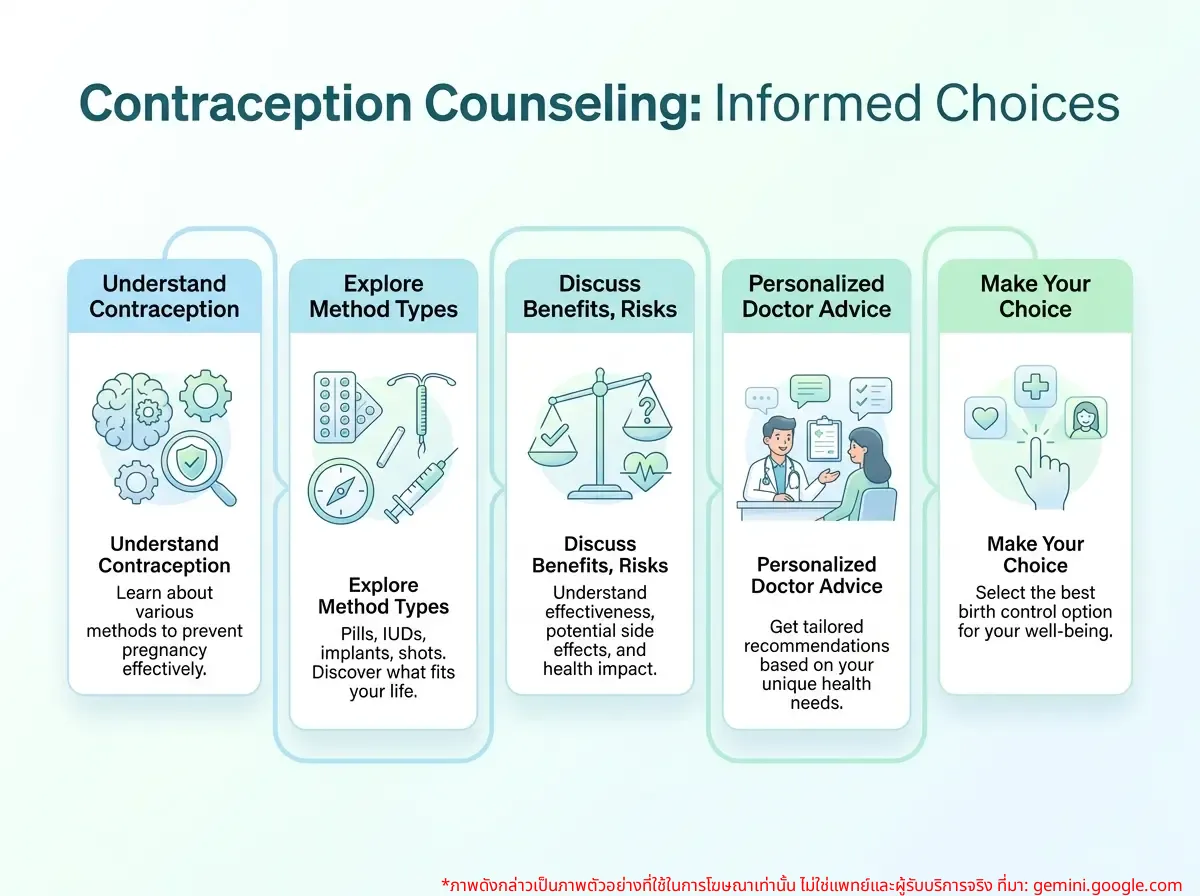
How Do Different Contraceptive Methods Work?
Each type of contraception has a different mechanism of action, but all share the primary goal of preventing pregnancy.
- Contraceptive Implant: This is a small rod inserted under the skin of the upper arm. It works by slowly releasing the hormone progestin, which inhibits ovulation, thickens cervical mucus, and makes the uterine lining unsuitable for implantation of a fertilized egg.
- Intrauterine Device (IUD): There are two main types:
- Copper IUD: Non-hormonal, it works by releasing copper ions, which create an inflammatory reaction hostile to sperm and eggs, making fertilization and implantation difficult.
- Hormonal IUD: Releases progestin hormone similar to the contraceptive implant, but acts directly on the uterus, thinning the uterine lining and thickening cervical mucus.
- Contraceptive Injection: This involves injecting progestin hormone into the body, which inhibits ovulation, thickens cervical mucus, and alters the uterine lining, similar to the contraceptive implant. However, its duration of action is shorter and requires repeat injections on schedule.
What Are the Advantages of a Contraceptive Implant?
Contraceptive implants are highly effective and popular birth control methods due to several advantages:
- High Effectiveness: It is considered a highly effective birth control method, comparable tosterilization.
- Long-lasting: Can provide contraception for 3-5 years, depending on the type of implant.
- Convenient: No need to remember to take a pill daily or worry about forgetting.
- Reversible: When you wish to become pregnant, the implant can be removed, and fertility typically returns relatively quickly.
- Does not interfere with sexual activity: No need to worry about contraception during sex.
What Are the Limitations or Side Effects of a Contraceptive Implant?
Despite its many advantages, contraceptive implants do have potential limitations and side effects:
- Requires insertion and removal by a doctor: Cannot be done by yourself.
- Menstrual changes: The most common side effect is changes in the menstrual cycle, such as spotting, irregular periods, or no periods at all.
- Hormonal side effects: Some individuals may experience headaches, dizziness, weight gain, acne, or breast tenderness.
- Does not protect against sexually transmitted infections (STIs): Similar to other birth control methods that are not condoms.
💡 Did you know? The contraceptive implant is one of the birth control methods approved by the World Health Organization (WHO) as highly effective and safe for most women.
What Are the Advantages of an Intrauterine Device (IUD)?
IUDs are another popular long-term birth control option with the following advantages:
- Long-lasting: An IUD can provide contraception for 3-10 years or even longer, depending on the type.
- Highly effective: It is a very effective birth control method.
- Convenient: Once inserted, you don’t have to worry about daily contraception.
- Reversible: It can be removed when you wish to become pregnant, and fertility typically returns quickly.
- Non-hormonal (Copper IUD): Suitable for those who prefer not to use hormones or have limitations in using hormonal methods.
What Are the Limitations or Side Effects of an Intrauterine Device (IUD)?
IUD insertion also comes with limitations and side effects that should be noted:
- Requires insertion and removal by a doctor: Must be performed by a healthcare professional.
- Pain or abnormal bleeding: In the initial period after copper IUD insertion, some may experience increased lower abdominal pain and heavier or longer menstrual periods.
- Hormonal side effects (for hormonal IUDs): Similar to contraceptive implants, such as spotting, headaches, and breast tenderness.
- Does not protect against sexually transmitted infections (STIs): Other methods must be used concurrently for protection.
- Risk of infection: There is a very small risk of pelvic inflammatory disease (PID) in the initial period after insertion.
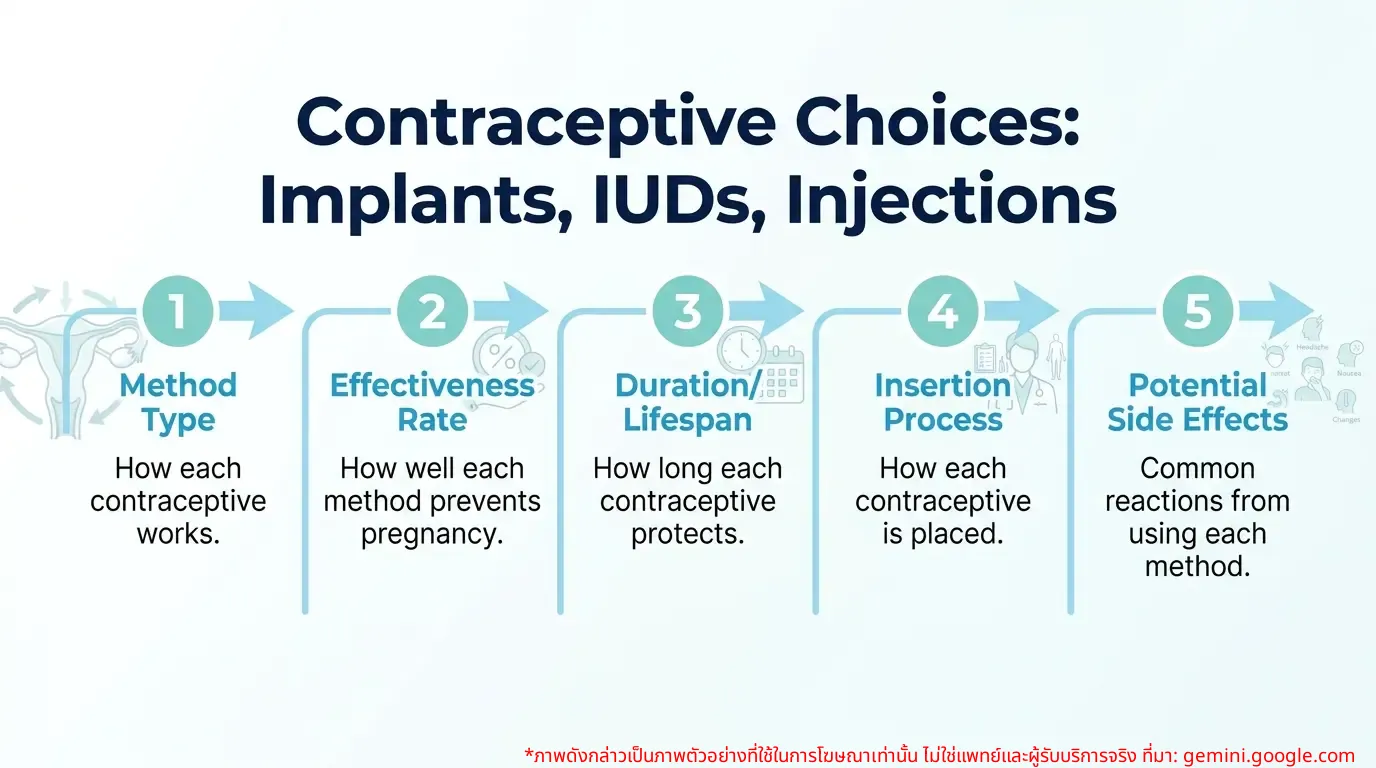

What Are the Advantages of Contraceptive Injections?
Contraceptive injections are another convenient and effective option, offering the following advantages:
- Highly effective: Very effective in preventing pregnancy if administered on schedule.
- Convenient: No need to take a pill daily; simply receive an injection on schedule (every 1 or 3 months, depending on the type of medication).
- Does not interfere with sexual activity: No need to worry about contraception during sex.
- Suitable for those who often forget to take pills: Helps reduce the risk of missed doses.
What Are the Limitations or Side Effects of Contraceptive Injections?
Contraceptive injections also have limitations and side effects that interested individuals should consider:
- Requires scheduled injections: Must visit a doctor for repeat injections strictly according to the prescribed schedule.
- Menstrual changes: Also commonly observed, such as irregular periods, lighter periods, or no periods at all, which are usually not harmful.
- Weight gain: A side effect observed in some individuals.
- Temporary decrease in bone density: In the long term, it may affect bone density, but it generally returns to normal after discontinuation.
- Delayed return to fertility: It may take longer than other methods for fertility to return after stopping the injection.
- Does not protect against sexually transmitted infections (STIs): Other methods must be used concurrently.
Understanding these side effects will help you prepare and make an informed decision about whether this method is suitable for you. A detailed consultation with a doctor will ensure you receive comprehensive information tailored to your physical condition.
Who Is a Contraceptive Implant Suitable For?
Contraceptive implants are suitable for:
- Those who desire long-term contraception (3-5 years) and do not want to remember to take a daily pill.
- Those who prefer a private method of contraception, as it doesn’t require informing others.
- Those who cannot use combined hormonal contraceptives (e.g., due to a risk of blood clots).
- Those who are not ready for children in the near future but still wish to have children eventually.
Who Is an IUD Suitable For?
IUDs are a good option for:
- Those who desire very long-term contraception (5-10+ years) and convenience.
- Those who prefer a non-hormonal birth control method (for copper IUDs) or a low-hormone, localized-action method (for hormonal IUDs).
- Those who have already had children and desire long-term contraception.
- Those with limitations in using certain types of hormones.
The decision to use an IUD should be made under the guidance of a doctor to ensure it is suitable for your health condition and uterine characteristics.
Who Is a Contraceptive Injection Suitable For?
Contraceptive injections are a suitable option for:
- Those who desire non-permanent contraception and do not want to take a birth control pill daily.
- Those who frequently forget to take birth control pills or find it inconvenient to take a daily pill.
- Breastfeeding individuals who desire contraception (should consult a doctor to choose the appropriate type of medication).
- Those who cannot use combined hormonal contraceptives.

Choosing the most suitable birth control method for you depends on several factors, such as your health, age, lifestyle, and future family planning. Understanding the advantages and disadvantages of contraceptive implants, IUDs, and contraceptive injections will empower you to have an informed discussion with your doctor and make the best choice for yourself.
If you have any questions or require further advice on choosing the right birth control method for you, please feel free to contact us or schedule a consultation with a specialist doctor through the clinic’s channels to receive the most accurate and personalized information.
Related Articles
- Contraceptive Implant vs. Pills and Injections: Pros and Cons You Should Know
- Differences Between Contraceptive Injections and Implants: Which Method Is Right for Us?
- Contraceptive Implant vs. Each Type of Birth Control: What’s the Difference?!