

 TH
TH MM
MM
When faced with the risk of HIV infection, choosing the correct testing method appropriate for the time since exposure is crucial to obtain accurate results and plan timely healthcare. This article will help you understand the types of HIV tests available, along with recommendations on which method to choose for each period after exposure.
Understanding the “Window Period” or the incubation period of the virus is key, as testing too early or using an inappropriate test type may lead to false negative results, causing anxiety or neglect of necessary prevention.
1. What is the HIV Window Period and Why is it Important to Know?
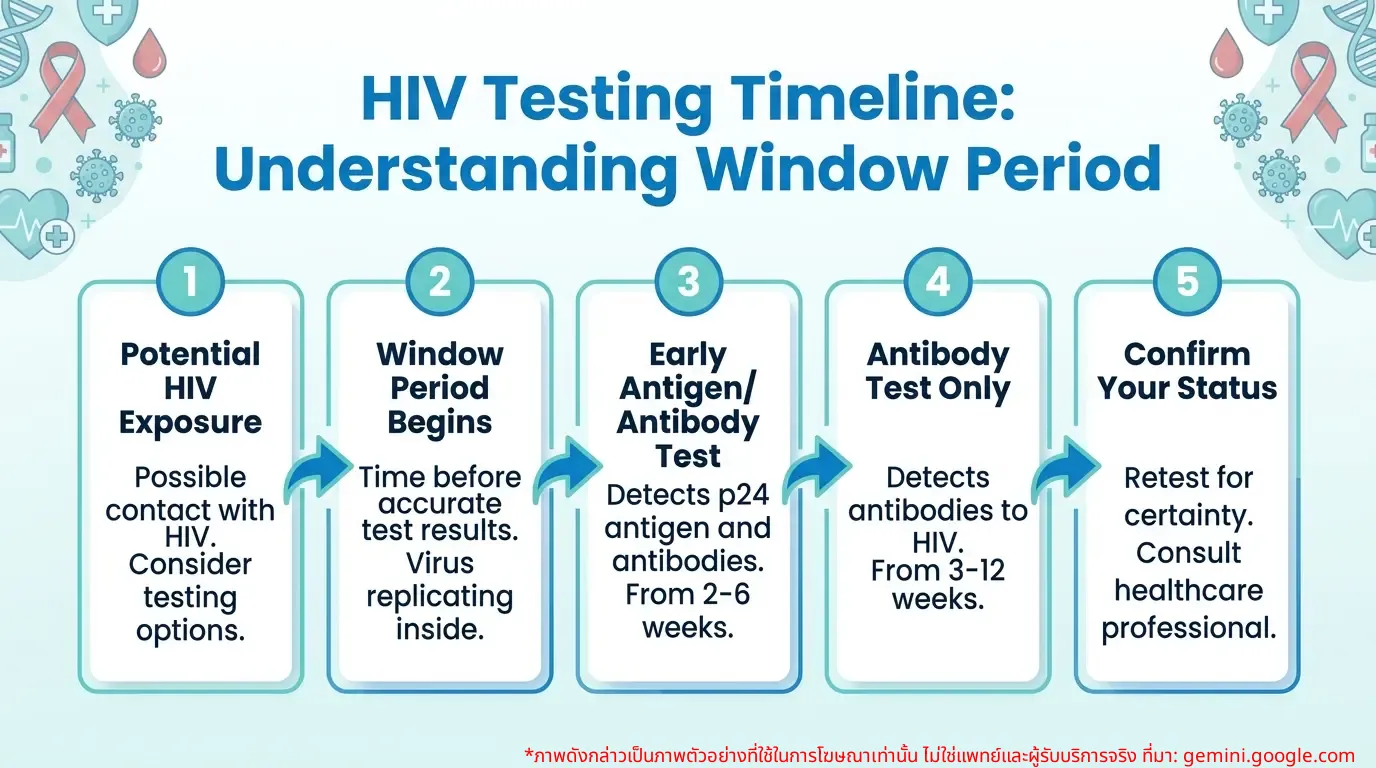
Window Period is the time from initial HIV exposure until the body starts producing antibodies or when the viral load is sufficient to be detected by standard testing methods.
Generally, the Window Period may vary depending on the type of test chosen:
- RNA Test (NAT): Shortest Window Period, approximately 7-10 days after exposure.
- Antigen p24 and Antibody Test (Combo Test): Window Period approximately 2-4 weeks after exposure.
- Antibody Test only: Relatively long Window Period, potentially up to 1-3 months after exposure.
Understanding the Window Period is extremely important because if tested too early, when the body has not yet produced antibodies or the viral load is insufficient for detection by that method, the result may be a “false negative.” This can lead to misunderstanding and potentially neglect of prevention or delayed treatment. Choosing the appropriate HIV test method for the time since exposure is therefore key to obtaining the most accurate results.
2. When is the HIV NAT (RNA Test) Most Suitable?
HIV NAT (Nucleic Acid Amplification Test), or the detection of HIV RNA, is the fastest method to detect infection after exposure.
Suitable Time: NAT testing is most suitable in the earliest period after exposure, capable of detecting the virus from 7-10 days after exposure.
How it Works: NAT detects the genetic material (RNA) of the HIV virus directly in the bloodstream, unlike tests that look for antibodies or viral proteins. This allows for earlier detection of the virus than other methods.
Accuracy and Advantages: It is highly accurate in the early stages of infection, allowing those who are concerned and want the fastest results to alleviate their worries sooner.
Limitations: Although highly sensitive, NAT testing is often more expensive than other methods and may not be available at all healthcare facilities due to the need for specialized equipment and techniques. Consulting a doctor or specialist before undergoing the test is important to assess its suitability and necessity.
💡 Did you know? HIV testing during the earliest Window Period using NAT can detect the virus weeks earlier than other testing methods.
3. After 2-4 Weeks of Exposure, Should You Get an HIV Antigen/Antibody Combo Test?
After approximately 2-4 weeks of exposure, the Antigen/Antibody Combo HIV test (or 4th Generation ELISA) is considered a highly effective and widely popular option.
How it Works: This combo test detects two substances simultaneously:
- p24 Antigen: An HIV protein that appears in the bloodstream during the early stages of infection (approximately 2 weeks after infection) and can be detected for about 2-6 weeks.
- Anti-HIV Antibody: Antibodies produced by the body to fight HIV, which start to be detectable after p24 Antigen (approximately 3-4 weeks onwards).
Advantages and Accuracy: The Combo test has the advantage of detecting the virus earlier than antibody-only tests because it can detect p24 Antigen before the body fully produces antibodies. This shortens the Window Period and provides more accurate results within 2-4 weeks after exposure. This test is often recommended as the first choice after the NAT Window Period and is a widely used primary screening method today.

4. When is the HIV Antibody Test (3rd/4th Generation) Suitable?
The HIV Antibody test has been a popular testing method for a long time. Generally, it is divided into 3rd Generation (detecting antibodies only) and 4th Generation (which often includes p24 Antigen detection, also known as the Combo Test, as mentioned earlier).
How it Works: The Antibody test detects antibodies produced by the body in response to HIV infection.
Suitable Time:
- For 3rd Generation tests that detect antibodies only, it is usually recommended to test at 1 month or 3 months after exposure to ensure the body has had enough time to produce antibodies.
- If the 1-month test result is negative, doctors often recommend retesting at 3 months to confirm the result.
Accuracy and Precautions: Antibody tests are highly accurate once the appropriate Window Period has passed. However, if tested earlier, such as within the first 2-3 weeks, the result may be a false negative. Testing at 3 months after exposure, with no additional risks during that time, is considered a highly reliable period for results and can confidently confirm non-infection if the result is negative.
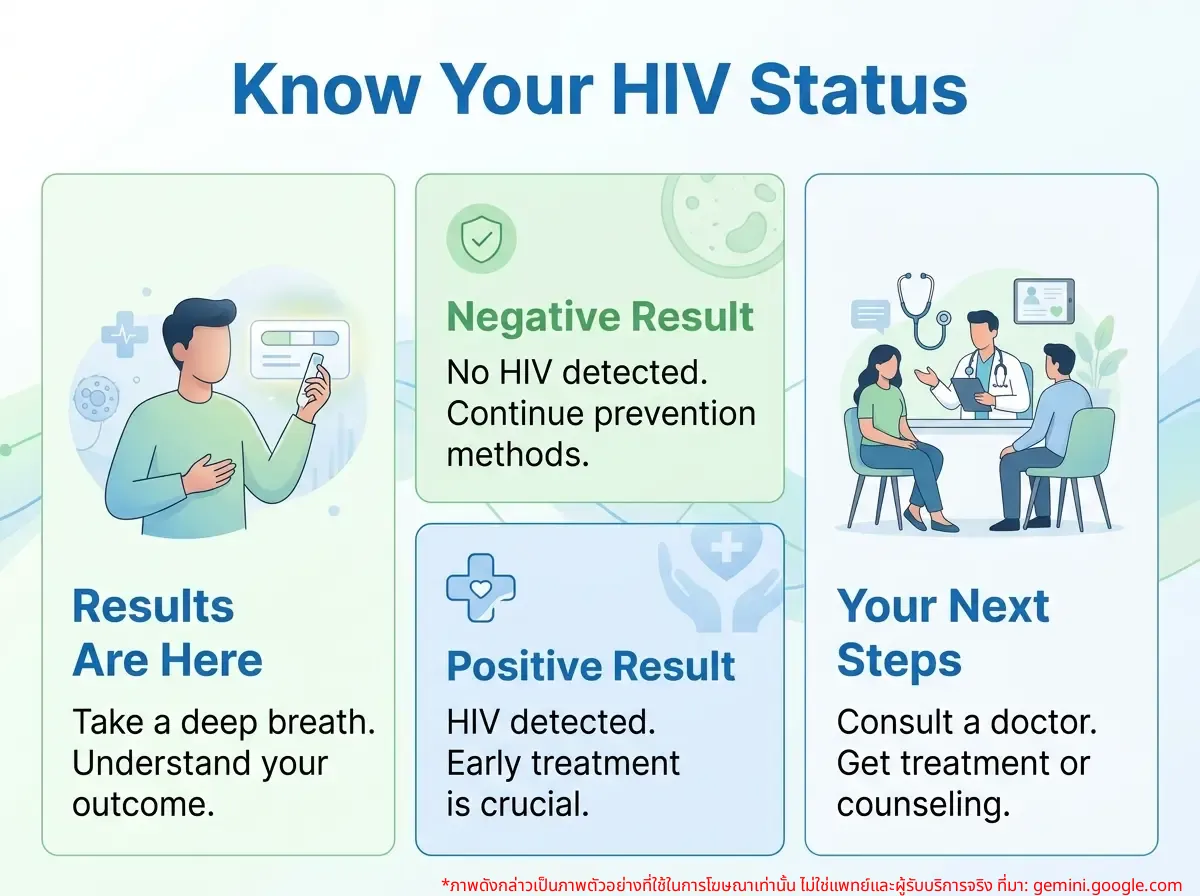
5. What to Do if Your HIV Test Result is Negative or Positive?
Regardless of whether your HIV test result is negative or positive, appropriate preparation and subsequent actions are crucial.
If Your HIV Test Result is Negative
If the test result is negative, the first thing to consider is whether the test was performed within the appropriate Window Period. If you tested too early after exposure (e.g., NAT test at 7 days), you might need to retest using a Combo or Antibody method at the recommended times (e.g., 1 month or 3 months) to confirm the result.
In addition to retesting, protecting yourself from future HIV infection is paramount. You should consult a doctor about various prevention methods, such as consistent and correct condom use, and understanding PrEP (Pre-Exposure Prophylaxis), which is medication used to prevent HIV infection before exposure.
If Your HIV Test Result is Positive
If the initial test result is positive, it’s important not to panic. Your doctor will conduct more complex and accurate confirmatory tests to confirm the infection. Confirmation is always crucial to avoid false positive results that may occur in some cases.
Once the result is confirmed as HIV infection, your doctor will provide detailed counseling on treatment guidelines, including immediately starting Antiretroviral Therapy (ART). Current ART is highly effective, capable of suppressing the viral load in the body to undetectable levels (Undetectable = Untransmittable or U=U), which significantly improves the quality of life for people living with HIV and greatly reduces the risk of transmitting the virus to others. Early treatment is key to maintaining good health and preventing complications.
6. What is Post-Exposure Prophylaxis (PEP) and When Should it be Started?
PEP (Post-Exposure Prophylaxis) is the use of emergency antiretroviral medication after potential HIV exposure, with the aim of preventing the HIV virus from establishing itself and multiplying in the body.
Importance: PEP is a highly effective preventive measure in reducing the risk of HIV infection if the medication is taken promptly and consistently.
Time to Start Medication: PEP is most effective if started as soon as possible, within 72 hours (3 days) after exposure. The sooner it is started, the better, and it will not be effective if started beyond 72 hours.
Doctor Consultation Process: If you believe you are at risk of HIV infection (e.g., unprotected sex with someone who has HIV or whose status is unknown, sharing needles, needle stick injury), you should see a doctor immediately to assess the need for PEP. The doctor will evaluate your risk and recommend the most appropriate course of treatment. If you decide to start the medication, you will need to take it continuously for 28 days, along with scheduled blood test follow-ups.
7. Do You Need to Retest for HIV, and When Can Results Be 100% Confirmed?
Importance of Retesting: Retesting for HIV is crucial, especially if the initial test occurred during the Window Period or if you are unsure about the accuracy of the result. Retesting will help definitively confirm your infection status.
When Can Results Be 100% Confirmed (in cases of no additional risk):
- At 3 Months Post-Exposure: Generally, an HIV test result at 3 months after the last exposure, if negative and with no additional risks during that period, is considered almost 100% confirmed as non-infection. The recommended testing methods during this period are the Antigen/Antibody Combo or Antibody Test.
- Special Cases: In certain situations, such as individuals who have received PEP or have severe immune deficiencies, doctors may recommend follow-up testing for longer than 3 months (e.g., at 6 months), at the doctor’s discretion.
The most important thing is to strictly follow your doctor’s advice. If you have concerns or questions about retesting, you should consult a doctor or healthcare professional for personalized advice to ensure you receive an accurate diagnosis and appropriate care.
HIV testing after exposure is a crucial step in caring for oneself and others. Understanding the Window Period and the appropriate test types for each timeframe will help you make informed decisions and be confident in the results, whether it’s NAT for rapid detection, the Combo test within 2-4 weeks, or the Antibody test for confirmation at 3 months.
Most importantly, if you are concerned about HIV infection or have been exposed to a risk, do not hesitate to consult a doctor or healthcare professional immediately for accurate advice and appropriate testing. A doctor can assess your situation and provide guidance on proper care or prevention. You can contact the clinic through its channels to inquire or schedule an appointment for private and safe consultation and screening.
Related Articles
- HIV Blood Test After Risk: How Many Days? Testing Methods and Prices
- HIV Infection After Sex: How Many Days Until Detectable?
- How Many Types of HIV Infection Tests Are There? Understand All Methods, Choose the Right One for You
- What Happens When You Get HIV?