

 TH
TH MM
MM
The presence of vaginal discharge with an odor and accompanying itching is a sign that there might be an abnormality in the vagina, which should not be overlooked. Understanding the initial causes, self-care practices, and warning signs that warrant a doctor’s visit will help you manage this problem correctly and promptly.
These symptoms are something many women face, but having accurate information will help you feel at ease and access appropriate treatment. This article provides comprehensive information on the causes, initial care, signs that warrant a doctor’s visit, and the specialist doctor you should consult.

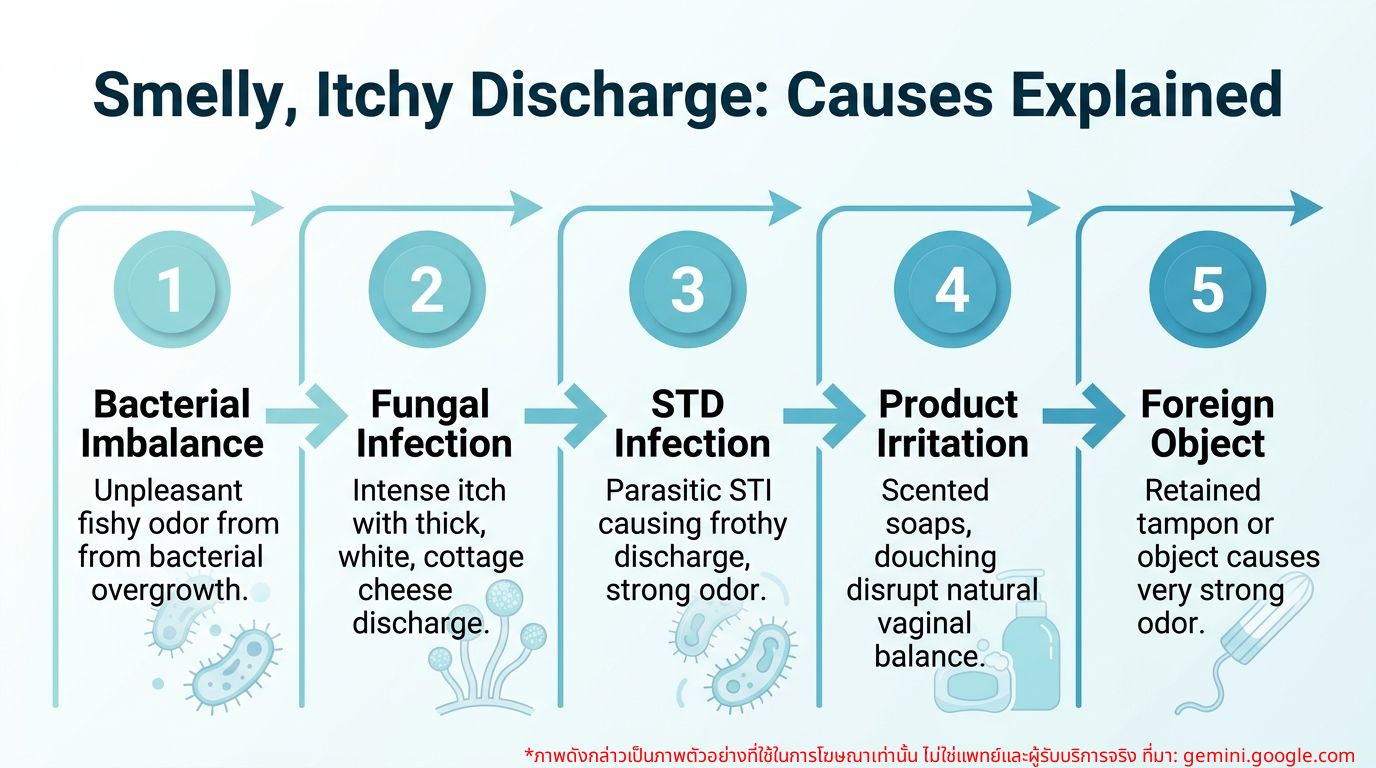
1. What can cause vaginal discharge with odor and itching?
Vaginal discharge with odor and itching are signs of abnormalities that can stem from several main causes, including:
- Yeast Infection (Candidiasis or Vaginal Thrush): This is the most common cause, resulting from an overgrowth of the fungus Candida albicans. Key characteristics include thick, white discharge resembling cottage cheese or yogurt, severe itching, redness and swelling of the external genitalia, and possibly burning during urination or sexual intercourse.
- Bacterial Vaginosis (BV): Caused by an imbalance of bacteria in the vagina. Key characteristics include grayish-white discharge, possibly slightly yellowish, with a distinct fishy odor, especially after sexual intercourse. Itching may not be as severe as with a yeast infection but can still occur.
- Trichomoniasis: A sexually transmitted infection caused by the parasite Trichomonas vaginalis. Key characteristics include yellow or greenish, frothy discharge with a strong, foul odor. Itching, burning, and pain during urination or sexual intercourse are also common.
- Other Sexually Transmitted Infections (STIs): Such as gonorrhea or chlamydia, can also cause abnormal vaginal discharge, odor, and itching. However, these often come with other symptoms like lower abdominal pain, abnormal bleeding, or sores.
2. How to provide initial self-care for vaginal discharge with odor and itching?
When experiencing vaginal discharge with odor and itching, proper basic hygiene can help alleviate symptoms and prevent increased irritation:
- Clean properly: Wash the external genital area with clean water or mild, unscented soap 1-2 times a day. Always pat dry. Do not use fingers or douching devices inside the vagina.
- Choose breathable underwear: Wear cotton underwear, which helps with ventilation, reduces dampness, and avoid tight-fitting or synthetic underwear.
- Avoid dampness: Change underwear when it gets wet, such as after exercise or swimming, to prevent the accumulation of germs.
- Abstain from sexual activity temporarily: To reduce irritation and prevent the spread of infection (if caused by an STI).
- Do not self-medicate: Avoid buying antibiotics, vaginal suppositories, or creams for self-use without consulting a doctor, as this may lead to incorrect treatment and worsen symptoms.
💡 Did you know? The vagina has a natural self-cleaning mechanism with an acidic pH to maintain bacterial balance. Douching with various solutions is often a major cause of upsetting this balance and making it easier for infections to occur!
The Importance of Maintaining Vaginal pH Balance
Vaginal pH balance is a crucial factor in preventing the growth of various pathogens. Normally, the vagina is slightly acidic (pH approximately 3.8-4.5), which is an ideal environment for the growth of beneficial bacteria (Lactobacilli) that help inhibit disease-causing microorganisms.
When the pH balance is disrupted, for example, by douching, using harsh chemical cleaning products, or even hormonal changes, it creates an opportunity for harmful bacteria or fungi to grow more easily, leading to abnormal discharge, odor, and itching. Therefore, maintaining this balance is key to good vaginal health.

3. What should be avoided when experiencing abnormal vaginal discharge?
To prevent symptoms from worsening and to avoid complications, certain behaviors and products should be avoided:
- Douching: Whether with plain water, mild soap, or any antiseptic solution, douching destroys beneficial bacteria in the vagina, disrupting its balance and increasing the risk of infection.
- Using scented soaps or products: Avoid using soaps, shower gels, panty liners, or toilet paper that contain fragrances or harsh chemicals in the genital area, as these can cause irritation and allergic reactions.
- Self-medicating: Do not buy antibiotics, antifungal medications, or vaginal suppositories for self-use without consulting a doctor, as this can lead to misdiagnosis, incorrect treatment, or antibiotic resistance.
- Using tampons for too long: If you must use tampons, change them every 4-6 hours to prevent bacterial buildup.
4. What warning signs indicate that you should see a doctor immediately?
While some cases of vaginal discharge with odor and itching can be managed with basic self-care, there are certain warning signs that indicate you should see a doctor immediately:
- Accompanied by fever: Especially if you have a high fever or chills.
- Severe lower abdominal pain: Cramping, dull ache, or constant pain.
- Dark green or black discharge: Or discharge resembling pus.
- Blood in discharge: Especially when it’s not during your menstrual period.
- Sores, bumps, or rashes on the genitals: Which may be a sign of a sexually transmitted infection or other infections.
- Symptoms do not improve after initial self-care: Or symptoms are progressively worsening.
- History of frequent vaginal infections: Or if you are pregnant.
If you experience any of these warning signs, seeing a doctor promptly will help ensure an accurate diagnosis and timely treatment, which can prevent more severe complications, such as the infection spreading to the uterus or fallopian tubes.
5. Which specialist doctor should be consulted for these symptoms?
When experiencing vaginal discharge with odor and itching, you should see an Obstetrician-Gynecologist, also known as a “women’s doctor,” who is a specialist in the female reproductive system
Obstetrician-gynecologists have the knowledge and experience to diagnose and treat various conditions related to the vagina, uterus, ovaries, and other female reproductive organs. They can perform internal examinations, test for infections, and provide appropriate treatment recommendations based on the cause of the symptoms. Consulting a specialist will help you get clear answers and the best approach to maintaining vaginal health.
The doctor will consider the symptoms presented, physical examination, and laboratory test results to confirm the cause of the infection or abnormality and plan the most appropriate treatment for each individual.
6. How to prepare and what to expect from a doctor’s visit?
Good preparation will help the doctor diagnose symptoms more accurately and quickly:
- Prepare symptom information: Note down the characteristics of the discharge (color, odor, consistency), the severity of itching or burning, when it occurs, and any medications you have used (if any), as well as menstrual history and sexual activity.
- Do not douche before seeing a doctor: You should refrain from douching or using vaginal suppositories for at least 24-48 hours before your appointment so that the doctor can collect discharge samples accurately for examination.
- What to expect from the examination:
- Medical history: The doctor will ask about your symptoms, health history, and habits.
- Pelvic exam: The doctor will examine the external and internal genital organs, including the cervix.
- Discharge sample collection: The doctor may use a cotton swab to collect a small sample of vaginal discharge for microscopic examination or culture to identify the cause of the infection.
- Diagnosis and treatment: After the results are known, the doctor will explain the cause and plan appropriate treatment, which may include antibiotics, antifungal medications, vaginal suppositories, or oral tablets.
7. How to prevent abnormal vaginal discharge from recurring?
Adjusting daily habits will help maintain good vaginal health in the long term and reduce the risk of recurrence:
- Maintain personal hygiene: Clean the external genital area with water and always pat dry. Avoid using scented products.
- Choose appropriate underwear: Wear breathable cotton underwear. Avoid tight-fitting underwear or overly tight pants.
- Change sanitary pads/liners frequently: If using sanitary pads or liners, change them every 3-4 hours to reduce dampness.
- Avoid dampness: Do not wear wet swimsuits or sweaty workout clothes for extended periods. Change clothes immediately after activities that cause heavy sweating.
- Eat a healthy diet: Focus on foods high in fiber and probiotics (e.g., yogurt, fermented milk) to help maintain bacterial balance in the body.
- Use condoms correctly: If sexually active, use condoms to prevent sexually transmitted infections.
- Avoid douching: Allow the vagina to clean itself naturally.
- Manage stress: Stress can affect the body’s immune system, making it more susceptible to infections.

Vaginal discharge with odor and itching is a common problem among women, but with proper care and treatment, it can be resolved. The key is to observe any abnormalities in your body and not be ashamed to consult a specialist doctor. Consistent personal hygiene and certain lifestyle adjustments will help maintain good vaginal health and reduce the risk of recurrent symptoms in the future
If you are experiencing these symptoms and need expert advice, you can contact or schedule an appointment with the medical team at Intouch Medicare Medical Clinic for appropriate diagnosis and treatment.
Related Articles
- Is vaginal discharge with odor abnormal? Causes, symptoms, and solutions every woman should know
- Foul-smelling vaginal discharge, changing color: Is it a common yeast infection or an STI?
- What causes vaginal itching? Know how to relieve it and when to see a doctor
- Foul-smelling vaginal discharge, lower abdominal pain: When a woman’s abnormality might not just be a yeast infection, but an STI