

 TH
 MM

Blood tests are a crucial medical tool used to diagnose, monitor symptoms, and assess overall health. However, a blood test alone may not always provide complete and accurate information.
That’s why doctors always take the time to ask about your symptoms, medical history, and lifestyle before any blood test. This allows them to interpret the results as accurately as possible, leading to the most effective diagnosis and treatment.
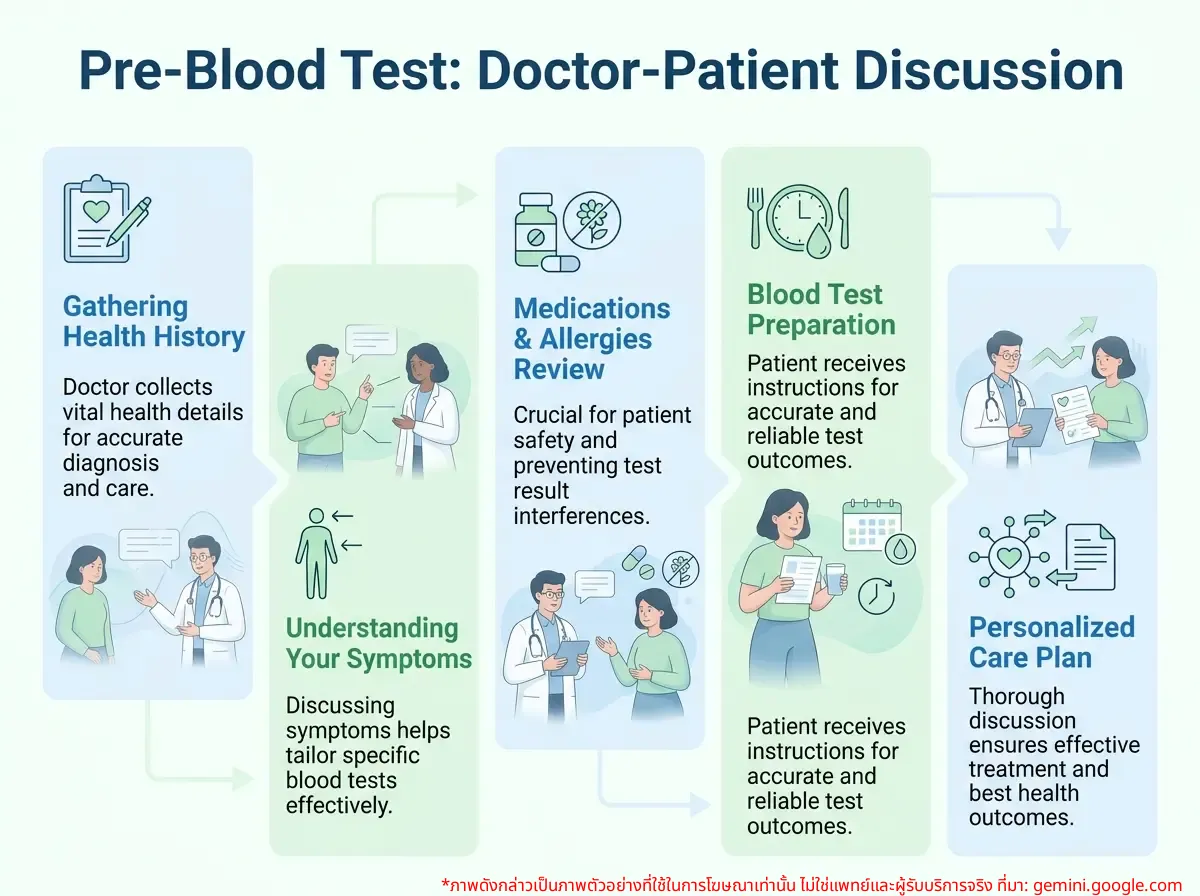
1. Why is Personal Information So Important Before a Blood Test?
Before every blood test, doctors need to gather as much personal information from the patient as possible, including current symptoms, medical history, and lifestyle habits. This information acts as crucial puzzle pieces, helping doctors comprehensively assess your health situation, not just by looking at numbers from blood results.
A detailed medical history helps doctors understand your clinical context, enabling them to choose the most appropriate blood tests and, crucially, to interpret the results accurately. Having complete information reduces the chance of misdiagnosis and leads to the most effective treatment plan.
2. What Can Current Symptoms Tell Your Doctor?
The symptoms you are currently experiencing are a key guide for doctors in diagnosing and selecting appropriate blood tests. For example, if you have a fever accompanied by a cough, the doctor might suspect a respiratory infection and consider ordering blood tests related to inflammation and infection, such as a CBC (Complete Blood Count) to check white blood cell count and other inflammatory markers.
Meanwhile, unusual fatigue might lead to tests for anemia or thyroid problems. Severe abdominal pain could indicate issues with the pancreas or gallbladder, requiring specific enzyme tests. Doctors use these symptoms as an initial filter to narrow down the scope of testing and make it as targeted as possible, helping to avoid unnecessary time and expense.
3. How Do Medical History and Medications Affect Blood Test Interpretation?
Your medical history, including chronic diseases, past surgeries, or other health conditions, significantly impacts certain blood values. For instance, diabetic patients will have higher blood sugar levels than healthy individuals, so blood tests to assess sugar in this group must be interpreted differently.
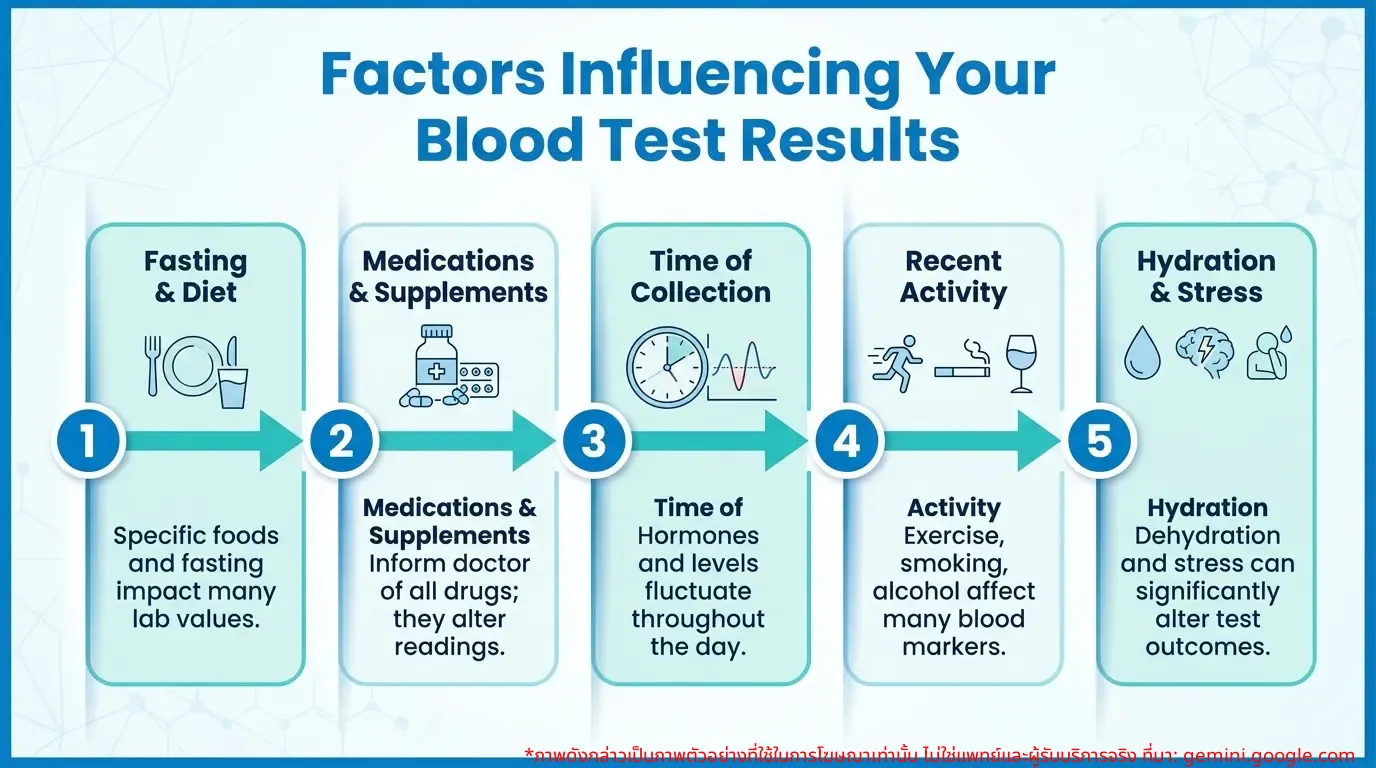
Furthermore, medications you are currently taking, whether prescription drugs, supplements, vitamins, or even certain herbs, can also affect blood values. For example, blood thinners might impact blood clotting factors, or some medications could elevate liver enzymes. Doctors need to know this information to adjust the interpretation of test results and differentiate whether abnormal values are due to a disease, medication, or other factors, rather than simply viewing the results as “abnormal.”
4. Do Lifestyle Habits, Such as Diet and Exercise, Affect Blood Values?
Certainly, your daily lifestyle habits significantly influence many blood values. Regularly consuming high-fat foods can lead to elevated cholesterol and triglyceride levels. Chronic heavy alcohol consumption can affect liver function, causing abnormal liver enzyme values.
Smoking is another factor that can affect red blood cells or blood oxygen levels. Conversely, regular exercise can help improve blood fat and sugar levels. Doctors need to be aware of these behaviors to determine whether the observed blood values are a result of a genuine health condition or merely an impact of your chosen lifestyle.
💡 Did you know? Even fasting before certain blood tests is part of the advice doctors or nurses often give patients in advance to ensure maximum accuracy of the results, which is considered one of the most crucial “preparatory behaviors”!
Fasting Before a Blood Test: Why is it Important?
The recommendation to fast before certain blood tests, such as Fasting Blood Sugar or a lipid blood test (Lipid Profile), is not just a general rule but an absolute necessity to obtain results that accurately reflect your true physical condition. Eating before the test can temporarily elevate blood sugar, fat, or other substances, leading to misinterpretation of results by the doctor and potentially an incorrect diagnosis.
Therefore, strictly following fasting instructions is another crucial part of the information and behavior you must cooperate with, allowing your doctor to assess your health as accurately as possible. This is especially important when screening for diabetes or high blood lipid levels, where proper preparation helps reduce the need for retesting and ensures timely and appropriate treatment outcomes.

5. How Does This Information Increase Diagnostic Accuracy?
Gathering complete information, including current symptoms, medical history, and lifestyle habits, creates a comprehensive context for the doctor to logically connect with blood test results. If a doctor only has numbers from a blood test without supporting information, it can lead to misinterpretation.
For example, if test results show elevated liver enzymes, the doctor will consider whether symptoms like jaundice or yellow eyes are also present, along with a history of alcohol consumption, medication use, or pre-existing liver conditions. This information helps the doctor accurately identify the cause of the high liver enzymes, such as from medication, alcohol consumption, or actual hepatitis.
This holistic analysis makes disease diagnosis much clearer, reduces misunderstandings from abnormal values alone, and leads to a treatment plan that is appropriate and targeted to the true cause of the problem.
6. How Should You Prepare to Provide Information to Your Doctor Before a Blood Test?
To ensure the most effective medical history taking before a blood test and to benefit from an accurate diagnosis, you should prepare and provide complete information to your doctor as follows:
- Note down symptoms: Write down the symptoms you are experiencing, including when they started, their frequency, and severity.
- Medical history: Prepare information about chronic diseases, past surgeries, drug allergies, or other significant health conditions.
- List of medications: Compile the names of all medications you are currently taking, including prescription drugs, over-the-counter medications, supplements, vitamins, and herbs, along with their dosages and duration of use.
- Lifestyle habits: Inform your doctor honestly about your eating habits, alcohol consumption, smoking, and level of physical activity.
- Prepare questions: If you have any questions about the blood test or your symptoms, feel free to ask your doctor immediately.
These preparations will help your doctor perform the most effective diagnosis, and you will receive advice and treatment truly suited to your health.

It is clear that when doctors spend a lot of time asking questions before a blood test, it’s not just a routine history-taking. It’s about gathering crucial in-depth information so that each blood test result can be used for the most accurate and complete disease diagnosis. Providing detailed and correct information yourself is therefore part of your responsibility in managing your health and is invaluable to the medical care you will receive.
If you have any questions or wish to schedule a health check-up or blood test, you can contact or make an appointment with the team of expert doctors through Intouch Medicare Clinic’s channels.
Related Articles
- What can a CBC test tell you? What values are abnormal!
- 8 hours of fasting not enough? The secret to FBS blood tests that patients often miss
- What is CBC? A deep dive into complete blood count: understanding your results for better health