

 TH
TH MM
MM
Vaginal discharge is a natural occurrence for all women, playing a crucial role in cleaning and maintaining the balance of the vagina. However, when discharge changes from its usual characteristics, such as altered color, unusual odor, or accompanying itchiness, it could be a warning sign of an underlying issue within the body, potentially indicating an infection or an undesirable health condition.
Understanding the differences between various discharge colors, especially green and yellow, can help you assess the initial situation and decide to seek timely medical advice. This article will delve into the causes, symptoms that indicate illness, and key distinctions between these two types of discharge, enabling you to properly care for your vaginal health and receive appropriate treatment if necessary.
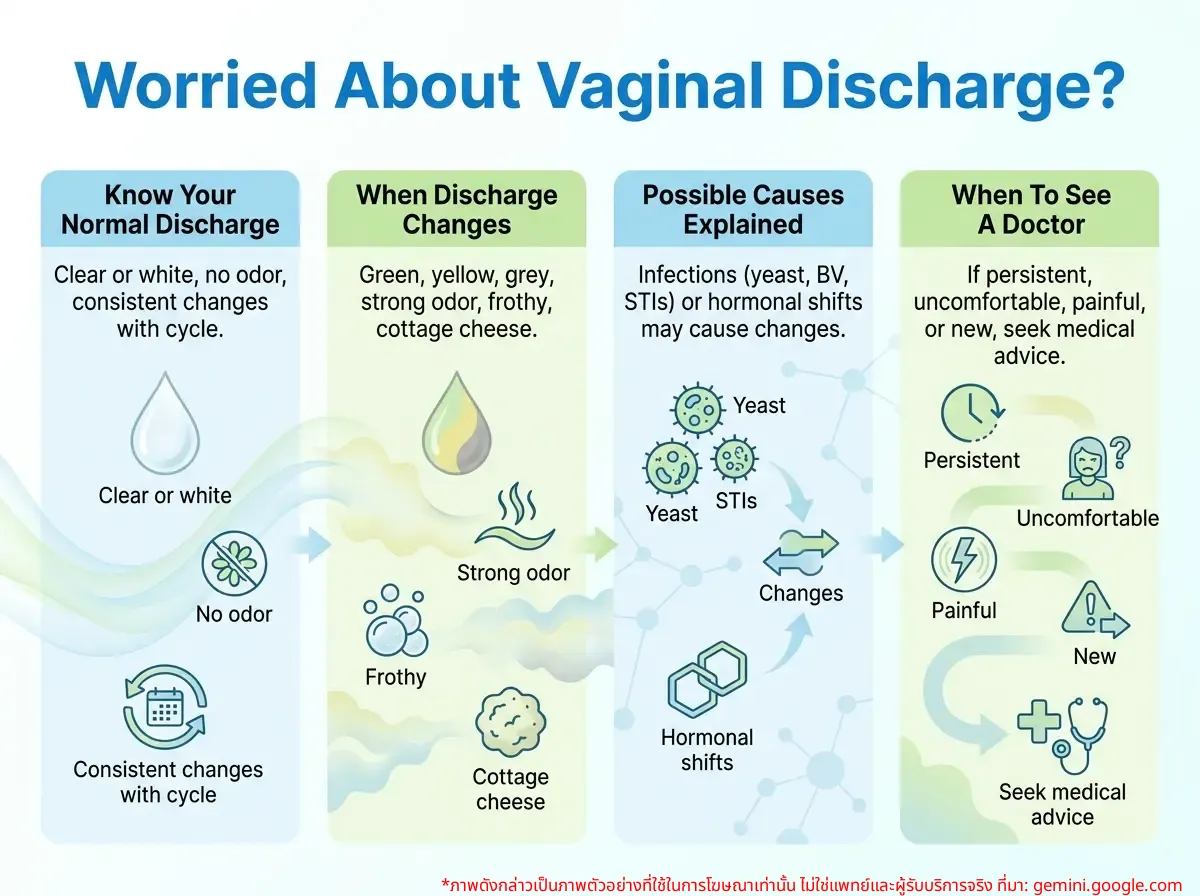
1. What is normal vaginal discharge like?
Normal vaginal discharge is typically clear or slightly cloudy, colorless or light white, odorless, and does not cause itching, burning, or irritation. Its quantity and consistency may vary depending on the menstrual cycle, hormones, or individual activities.
- During ovulation: Discharge is often clear and stretchy, similar to egg whites, to aid sperm movement.
- Before menstruation: Discharge may be slightly cloudy and thicker.
- After sexual intercourse: The amount may slightly increase.
All of these are considered normal conditions and are not a cause for concern if no other abnormal symptoms are present.
2. Green Vaginal Discharge: What causes it and what diseases can it indicate?
Green vaginal discharge is often a sign of a severe infection and should not be ignored. It frequently indicates an infection that requires medical treatment. Common primary causes include:
Trichomoniasis (Parasitic Infection)
This is the most common cause of green vaginal discharge. It is a sexually transmitted parasitic infection (STI), often characterized by frothy, yellowish-green discharge with a strong fishy odor, similar to rotten fish, or a musty smell.
- Accompanying symptoms: Severe itching, burning, redness and swelling in the genital area or vagina, pain during urination, and possibly pain during sexual intercourse.
- Treatment: Requires antibiotic treatment by a doctor, and sexual partners must also be treated to prevent recurrence.
Severe Bacterial Infection
In some cases, certain bacterial infections in the vagina or reproductive system can cause green discharge. This may result from a severe form of Bacterial Vaginosis or other pus-forming infections. If left untreated, it can lead to Pelvic Inflammatory Disease (PID), which is a serious condition.
💡 Did you know? Using overly fragrant feminine hygiene products or frequent vaginal douching can disrupt the natural bacterial balance in the vagina and increase the risk of abnormal discharge!
Vaginal Balance and Causes of Abnormal Discharge
Maintaining the balance of vaginal bacteria (Vaginal Microbiome) is crucial for preventing infections and abnormal discharge. The vagina contains beneficial bacteria called Lactobacilli, which help maintain a slightly acidic environment to inhibit the growth of various pathogens.
When this balance is disrupted, whether by excessive douching, certain antibiotics, inappropriate cleaning products, hormonal changes, or sexual intercourse, it creates an opportunity for harmful bacteria to grow, leading to infections and abnormal discharge. Understanding these mechanisms will help us choose the most correct and appropriate hygiene practices for our bodies, thereby avoiding undesirable abnormal discharge issues.
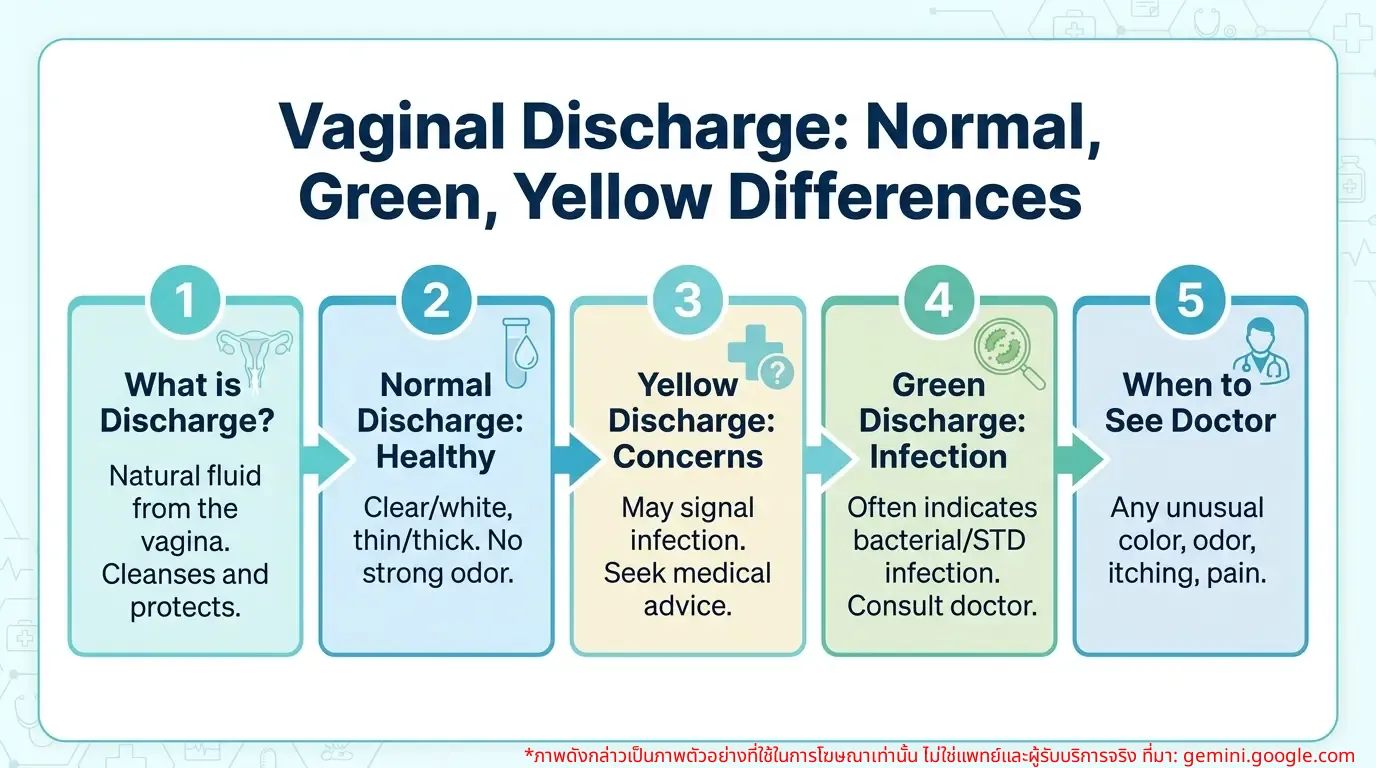

3. Yellow Vaginal Discharge: What causes it and what diseases can it indicate?
Yellow vaginal discharge can stem from various causes, some of which may not be severe, while many others require appropriate medical attention. Observing the distinct characteristics, color, and odor can help with initial differentiation.
Main Causes of Yellow Vaginal Discharge
- Bacterial Vaginosis (BV): This is a common condition caused by an imbalance of bacteria in the vagina. Discharge is often yellowish-gray with a fishy odor, especially after sexual intercourse. Itching and burning may or may not be present.
- Yeast Infection (Candidiasis): Discharge is typically thick, white, and resembles cottage cheese or yogurt. It may be light yellow and odorless, but will be accompanied by severe itching and burning in the genital area, as well as possible redness and swelling.
- Certain Sexually Transmitted Infections (STIs): Such as
- Gonorrhea: May cause dark yellow or yellowish-green discharge with a foul odor, and may be accompanied by painful urination, lower abdominal pain, or abnormal bleeding.
- Chlamydia: Similar to gonorrhea, but symptoms may be less obvious.
- Vaginitis from other causes: Such as irritation from chemicals in soaps, cleaning products, condom allergies, or non-infectious inflammation, which can also cause light yellow discharge and irritation.
Observing the characteristics and odor of discharge, along with any other accompanying symptoms, can help in initial differentiation of causes. However, the most important step is to consult a doctor for the most accurate diagnosis and treatment.
Managing yellow vaginal discharge depends on its cause. If it’s a yeast infection, a doctor may prescribe antifungal medication. If it’s Bacterial Vaginosis, antibiotics may be needed. Only an accurate diagnosis will lead to effective treatment and prevent potential future complications.
4. What are the key differences between green and yellow vaginal discharge?
To better understand the differences between green and yellow vaginal discharge, refer to the comparison table of common symptoms and causes below:
| Characteristic/Symptom | Green Discharge | Yellow Discharge |
|---|---|---|
| Common Primary Causes | Often caused by Trichomoniasis (parasitic infection) or severe bacterial infection | Can be caused by various factors such as bacterial infection (BV), yeast infection, sexually transmitted infections (gonorrhea/chlamydia), or irritation |
| Color Characteristics | Yellowish-green, distinctly green, possibly frothy | Light yellow, dark yellow, yellowish-gray, or thick white like cottage cheese (in case of yeast infection) |
| Odor | Strong fishy odor similar to rotten fish, or strong musty odor | Fishy odor (BV), odorless (yeast infection), or strong foul odor (some STDs) |
| Accompanying Symptoms | Severe itching, burning, redness, swelling, pain during urination/sexual intercourse | Severe itching (yeast infection), burning, redness, swelling, painful urination (STD), lower abdominal pain |
| Urgency to See a Doctor | Very high, consult a doctor immediately | Should see a doctor for diagnosis and treatment, especially if symptoms are severe or an STD is suspected |
Self-differentiation can be done to some extent, but the most accurate diagnosis requires consulting a doctor to identify the true cause and receive appropriate treatment, thereby avoiding potential complications if left untreated.
5. When should you see a doctor?
If you experience any of the following abnormal vaginal discharge symptoms, you should see a doctor for diagnosis and treatment as soon as possible. Do not delay:
- Discharge clearly changes color, such as green, dark yellow, gray, or contains blood.
- There is an unusual foul odor, especially a strong fishy smell similar to rotten fish, or a musty odor.
- There is severe itching, burning, redness, swelling, or irritation in the genital area.
- Accompanied by lower abdominal pain or pelvic pain.
- Fever, or feeling unwell and fatigued.
- Painful urination or pain during sexual intercourse.
- Abnormal discharge does not improve or worsens after attempting basic self-care.
- Suspect that you or your partner may have a sexually transmitted infection (STI).
Seeking medical examination will help ensure an accurate diagnosis and lead to appropriate, timely treatment, preventing potential future complications.
6. How to care for and prevent abnormal vaginal discharge?
Maintaining good hygiene and appropriate practices is crucial for preventing abnormal vaginal discharge and promoting healthy vaginal well-being:
- Clean correctly: Wash the external area with clean water and mild, fragrance-free soap 1-2 times a day. Always pat dry and avoid douching, as it can disrupt the natural bacterial balance and increase the risk of infection.
- Choose appropriate products: Avoid feminine hygiene products containing strong fragrances, alcohol, or harsh chemicals.
- Wear breathable clothing: Choose cotton underwear that is not too tight to reduce moisture in the intimate area.
- Change sanitary pads or liners frequently: If you are menstruating or have heavy discharge, for good hygiene.
- Maintain hygiene during sexual intercourse: Use condoms consistently and clean the genital area after intercourse to reduce the risk of infection.
- Eat a healthy diet: Focus on vegetables, fruits, and probiotic-rich foods like yogurt to boost immunity and maintain bacterial balance in the body.
- Drink enough water: Helps maintain overall body balance.
- Get enough rest and manage stress: To maintain hormonal balance and body immunity.

Observing and understanding the characteristics of vaginal discharge is important for all women. Green and yellow discharge often indicate infections that require prompt diagnosis and treatment from a doctor. Proper personal hygiene and regular observation of bodily changes will help you maintain good vaginal health and prevent potential abnormalities.
If you have any questions or concerns about abnormal vaginal discharge, do not hesitate to consult a specialist doctor. Receiving an accurate diagnosis will lead to appropriate treatment and help you regain a better quality of life. You can contact or schedule an appointment through the clinic’s channels to receive advice and care from an experienced and friendly medical team.
Related Articles
- Is Yellow Vaginal Discharge Dangerous? What Diseases Does It Indicate? What Women Should Know!
- Green Vaginal Discharge! Is It Dangerous? See Causes, Care, and Treatment Methods
- Is Smelly Vaginal Discharge Abnormal? Causes, Symptoms, and Solutions Every Woman Should Know
- Foul-Smelling, Discolored Vaginal Discharge: Is It a Common Yeast Infection or an STI?