

 TH
TH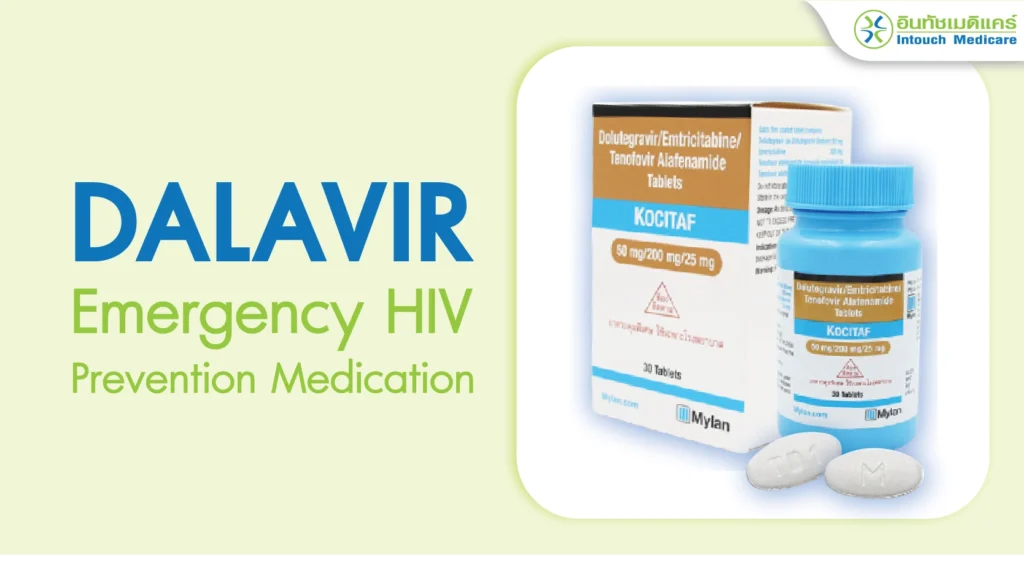
KOCITAF is an antiretroviral medication used as post-exposure prophylaxis (PEP) to help prevent HIV infection after a potential exposure. This medication combines three antiretroviral drugs in a single tablet.
People who may have recently been at risk, such as through unprotected sex, condom breakage or slippage, or contact with blood or bodily fluids, should seek medical attention immediately. A doctor will assess whether KOCITAF is appropriate. PEP is most effective when started within 72 hours after exposure, and the sooner it is taken, the better the protection. It is also important to understand how to take the medication, the correct dosage, cost, and possible side effects.
Key Topics About KOCITAF
- What is KOCITAF?
- What does KOCITAF contain?
- Who is KOCITAF suitable and not suitable for?
- Dosage and How to Use
- Common side effects of KOCITAF

- Indications, precautions, and contraindications
- Advantages compared to other brands in Thailand
- Where can I get KOCITAF?
- How many HIV tests are needed after using KOCITAF?
What is KOCITAF?
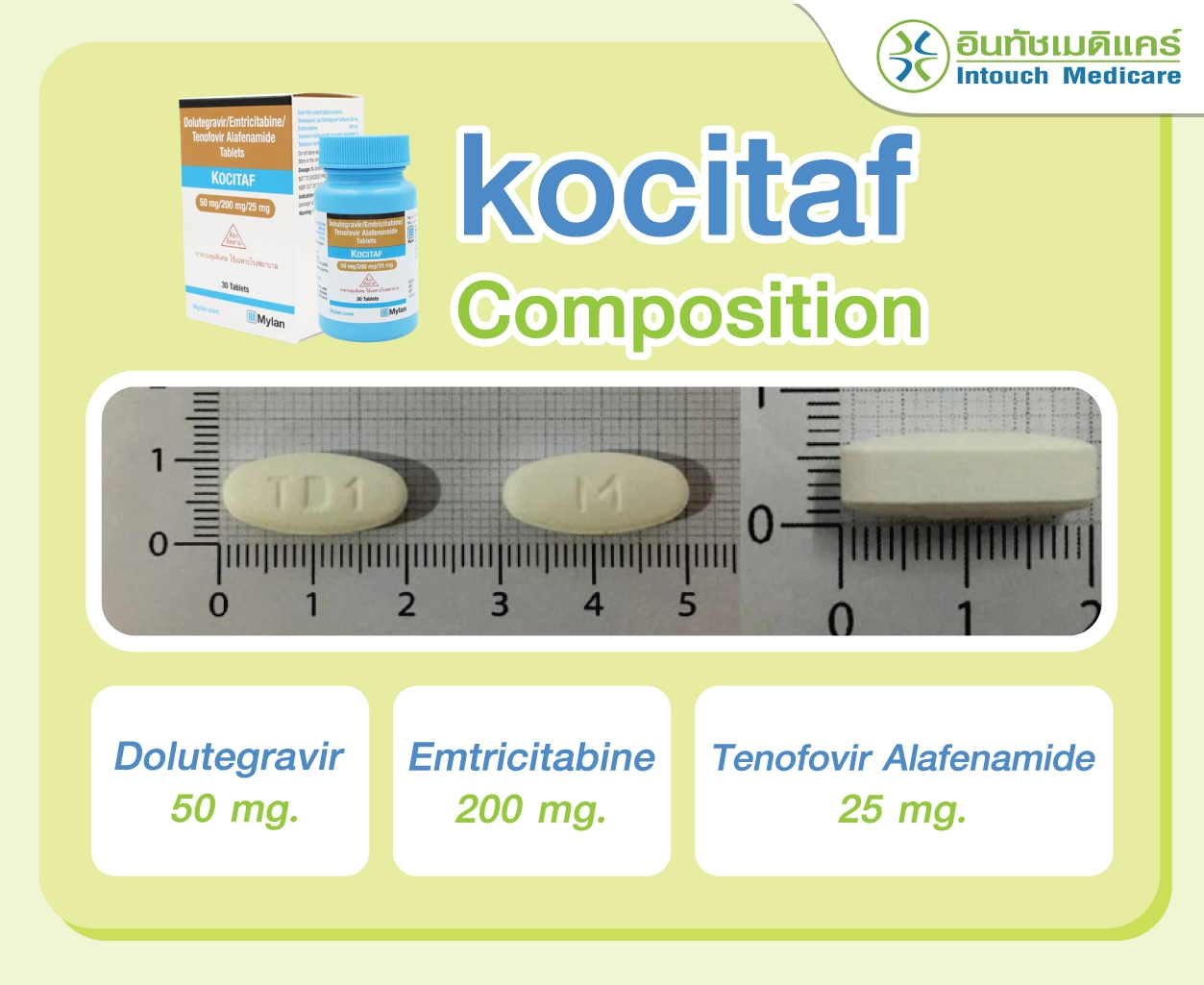
KOCITAF is a brand name of an HIV antiretroviral medicine. It contains three HIV drugs in one tablet. The tablet is white, oval-shaped, and film-coated.
What does KOCITAF contain?
One KOCITAF tablet includes three HIV medicines:
- Dolutegravir 50 mg
- Emtricitabine 200 mg
- Tenofovir alafenamide 25 mg
- Lactose 120 mg.
Who is KOCITAF suitable and not suitable for?
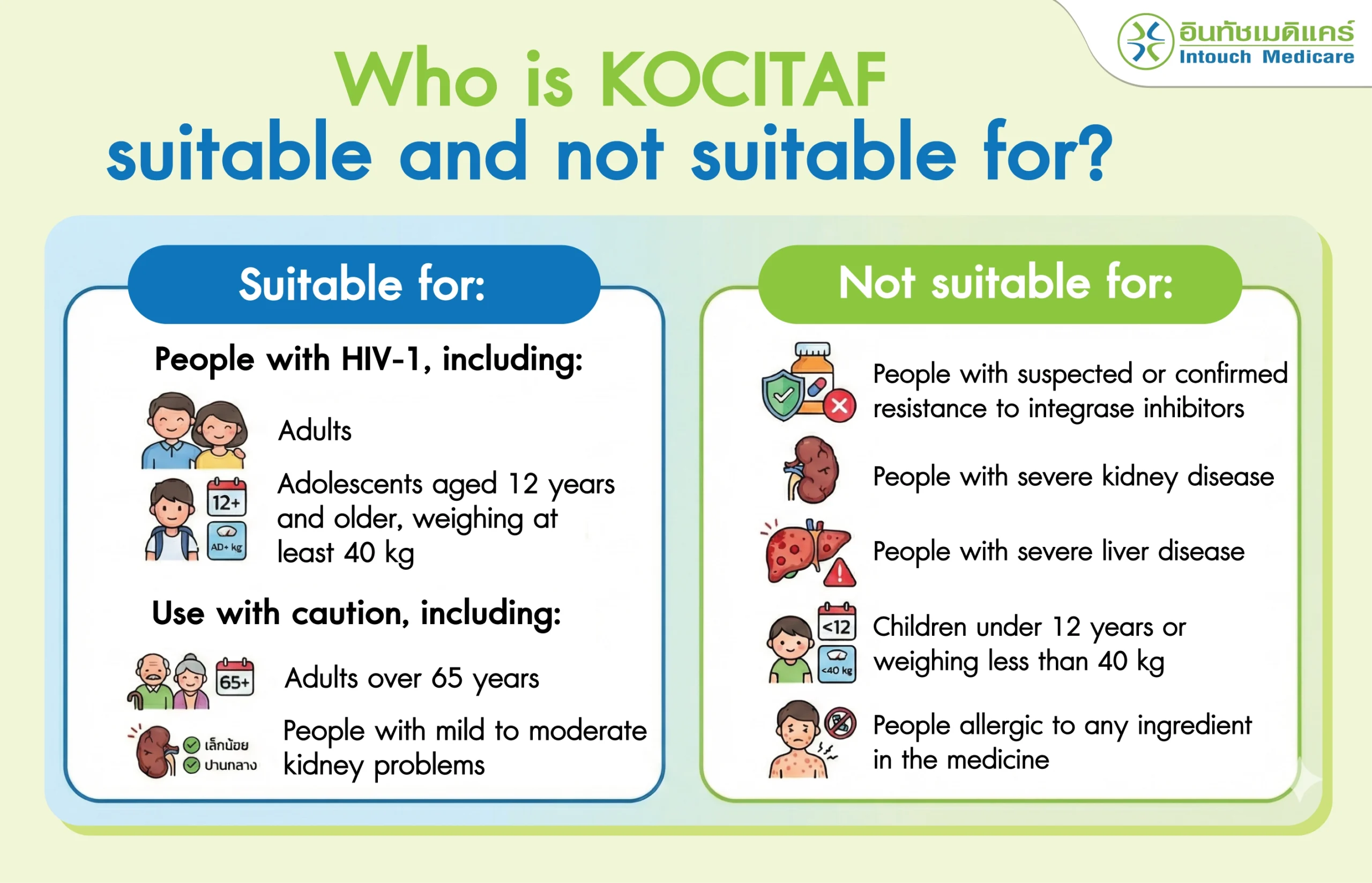
Suitable for:
- People with HIV-1 such as adults, adolescents aged 12 years or older and weighing at least 40 kg
- Use with caution groups are adults over 65 years and people with mild to moderate kidney problems
Not suitable for:
- People with suspected or confirmed resistance to integrase inhibitors
- People with severe kidney disease
- People with severe liver disease
- Children under 12 years or weighing less than 40 kg
- People allergic to any ingredient in the medicine
Dosage and How to Use
Treatment should be started by a doctor experienced in HIV care. The medicine can be taken with or without food.
How many tablets per day?
The recommended dose is 1 tablet once daily.
How long to take it?
Take the medicine for 28 days without interruption.
Common mistakes when using PEP
Common mistakes include starting PEP later than 72 hours after exposure, missing doses, or stopping the medicine before completing 28 days. These reduce effectiveness and may not fully prevent HIV. If you have repeated risk, talk to a doctor about using PrEP (pre-exposure prophylaxis) for better and ongoing protection.
Common side effects of KOCITAF
Mild side effects
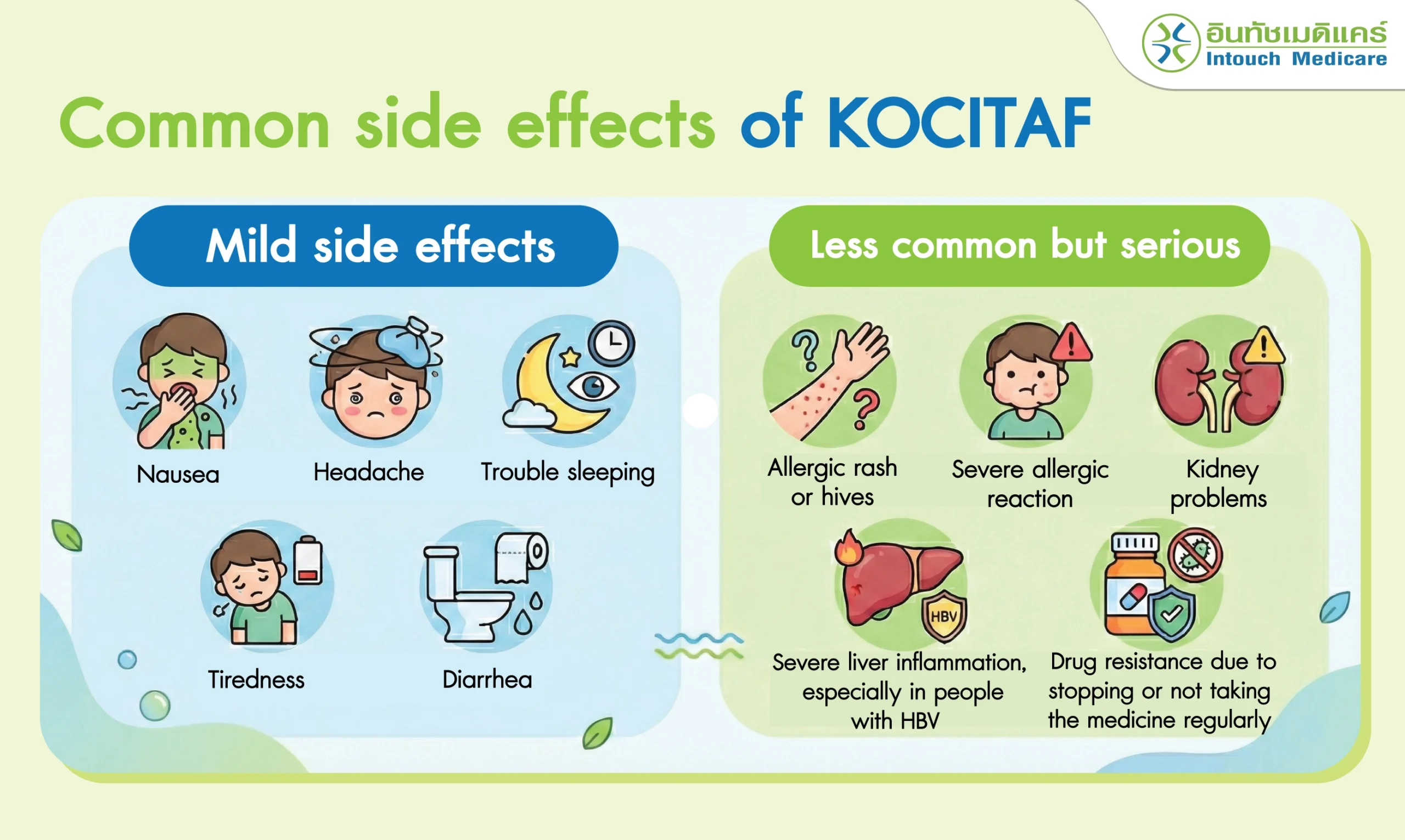
Common symptoms include: nausea, headache, trouble sleeping, tiredness, and diarrhea.
Less common but serious (Doctor consultation is recommended.)
Allergic rash or hives, severe allergic reaction, kidney problems, severe liver inflammation especially in people with HBV, drug resistance (due to stopping or not taking the medicine regularly)
Indications, precautions, and contraindications
KOCITAF is an antiviral medicine used with other antiretroviral drugs to treat people with HIV. It is for adults and adolescents aged 12 years and older, weighing more than 40 kg. A doctor should assess the patient before starting treatment.
People with liver or kidney disease
People with liver or kidney disease should consult a doctor before using KOCITAF. Liver and kidney function tests may be needed to check safety and adjust the dose if necessary.
Drug interactions with KOCITAF
Some medicines may interact with KOCITAF, such as:
- Anti-seizure drugs such as carbamazepine and phenytoin
- Tuberculosis medicine such as rifampicin
- Older HIV medicines such as efavirenz
- Herbal products such as St. John’s Wort
- Antacids or products containing minerals such as calcium or iron
These medicines may lower the level of KOCITAF in the blood and reduce its effectiveness in preventing or treating HIV. If you are taking any medicines, supplements, or herbal products, tell your doctor before starting KOCITAF.
Where can I get KOCITAF?
KOCITAF must be obtained from a medical facility, clinic, or hospital with a doctor’s prescription. It is not available for free purchase at pharmacies or online because it is a controlled medicine.
Do I need to see a doctor before getting it?
Yes. You must see a doctor every time. HIV medicines are controlled drugs. A doctor needs to assess suitability and may require blood tests or an HIV test before prescribing.
Clinics or hospitals that provide PEP
PEP is available at medical facilities with a doctor, such as clinics and public or private hospitals. These places provide blood testing and medication according to medical standards. You should get assessed as soon as possible, within 72 hours after exposure.
See a doctor to assess your risk before taking PEPHow many HIV tests are needed after using KOCITAF?
When used as PEP, the doctor will schedule 2 follow-up visits after treatment which are at 1 month (after starting the medicine) and 3 months after taking the medicine. These visits are to confirm that there is no HIV infection and to monitor possible side effects.
References
- KOCITAF prescribing information: Dolutegravir/Emtricitabine/Tenofovir Alafenamide 50/200/25 mg. (Thai Medication Guide).
Interesting Article
- PEP: Emergency HIV prevention medicine
- Acriptega: HIV treatment and how to use it
- Dalavir: Antiviral medicine for HIV treatment
- What is Biktarvy? What you should know before taking it
For more info and make appointment

Intouchmedicareclinic
Medical Clinic
 Lastest edited : 06/08/2026
 Verified by: Phatthaporn Sriprakun, M.D.
 Images may be used without prior permission exclusively for educational or informational purposes, as long as proper credit is given to intouchmedicare.com